How Startup Bexorg Uses Donated Human Brains to Test New Drugs
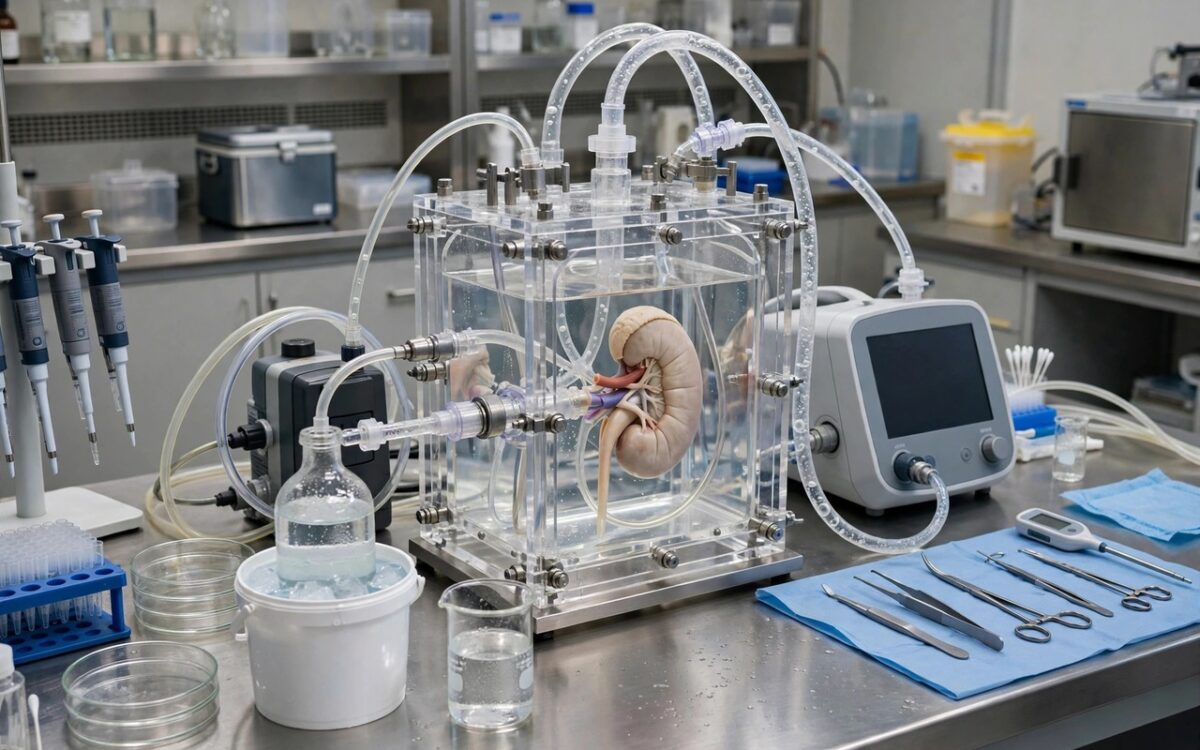
A May 2026 Science report on Connecticut startup Bexorg is drawing fresh attention online. The five-year-old company sustains disembodied human brains donated after death and uses them to test experimental drugs.
More than 700 human brains have been studied. Hours after death, tubes pump blood substitute through the organ, supplying oxygen and removing waste, while anesthesia quiets electrical activity. After 24 hours, the brain is sliced into hundreds of pieces.
The platform shows how potential treatments for Parkinson’s, Alzheimer’s and ALS might work inside real human brains. Biohaven’s Bruce Car said a drug that failed in mice worked in human brains at a dose 20 times lower, and the FDA has approved Biohaven’s application to begin clinical trials of compound BHV-8100.
Safeguards against consciousness are central. The brains are almost devoid of the neural firing needed for minimal consciousness, and the company uses the anesthetic propofol, said bioethicist Brendan Parent of NYU Langone Health.
The work is reviving debate over the ethics of using donated human brains in research.
Related stories
View all →
Open Source India 2026 to focus on the AI era in Bengaluru
Open Source India 2026 runs October 7-8 in Bengaluru with 6,500+ delegates, 85+ speakers and six tracks on AI, DevOps, cloud and…
Apple hit with record $5.7B verdict over Taptic Engine patents
A San Diego jury ordered Apple to pay $5.72 billion to Taction Technology over Taptic Engine patents, the largest U.S. patent verdict…

Delhi HC Orders Meta to Remove Modi Deepfake Image in 24 Hours
Delhi High Court has directed Meta to remove an AI-generated morphed image of a woman with PM Modi within 24 hours, with…

Khabar 24h Editorial Desk — our explainers are prepared by the Khabar 24h editorial team using AI-assisted research tools, and every piece is reviewed by a human editor before publishing. We do not claim original reporting: our work is turning complex topics into simple, accurate summaries. Spotted an error? Write to contact@khabar24h.com — our corrections policy aims for same-day review.
More from this author →
Leave a Reply