How Contactless Payments Work: NFC Technology Explained
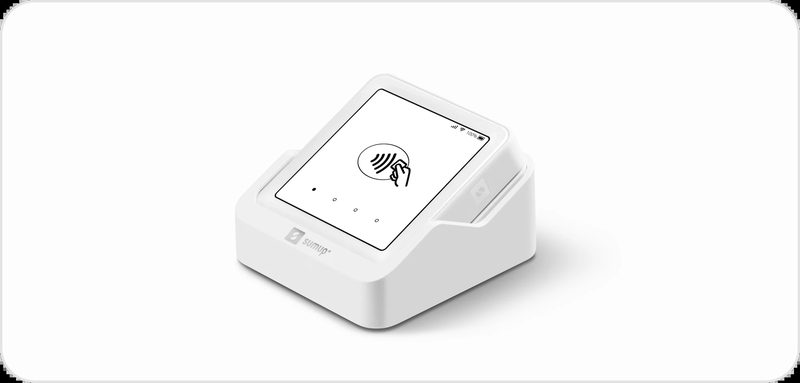
The tap has conquered the checkout: cards, phones and watches paying with a touch, no PIN for small amounts, no swiping, no waiting. India embraced contactless payments rapidly after they arrived, and UPI’s tap-and-pay features are extending the habit. The technology behind the magic is NFC, Near Field Communication, a short-range radio system that lets devices exchange data within a few centimetres. Understanding how NFC works explains both why contactless is so convenient and why, despite appearances, it is remarkably secure.
What is NFC?
NFC is a set of wireless communication protocols operating at 13.56 MHz, designed for exchanges over distances of about 4 centimetres or less. That deliberate short range is a security feature, not a limitation: it means your card talks only to the terminal it is nearly touching. NFC evolved from RFID, the technology behind FASTag and access cards, but adds two-way communication: both devices can send and receive, enabling the tap-and-confirm dialogue between your card and the payment terminal. Your phone’s NFC chip does the same job as the chip in a contactless card, and smartwatches shrink it further. The technology also handles non-payment tasks: pairing Bluetooth devices, reading smart posters, and exchanging contacts with a tap.
How does a tap-to-pay transaction work?
The tap triggers a rapid cryptographic conversation. When your card or phone enters the terminal’s field, the terminal powers the NFC chip and requests payment. Your device responds not with your actual card number but with a token, a one-time surrogate number, plus a cryptogram proving the transaction is genuine. The terminal forwards this to your bank, which maps the token to your real account, verifies the cryptogram and the available balance, and approves. All of this completes in under half a second. For phones, the secure element or host card emulation stores the tokens, and biometric authentication, fingerprint or face, typically precedes the tap, adding a security layer cards lack. Small transactions skip the PIN for speed; larger ones require it, with limits set by regulators.
Why is contactless safe?
The security case is strong and multi-layered.
- Tokenisation: the card number never travels over the air, so intercepted data is useless for cloning.
- One-time cryptograms: each transaction generates unique cryptographic proof that cannot be replayed.
- Short range: attackers would need to be within centimetres, making remote skimming impractical.
- Transaction limits: PIN-free taps are capped per transaction, bounding the damage of a lost card.
- Instant alerts: SMS and app notifications surface unauthorised taps immediately.
- Card controls: most banking apps let you disable contactless or set custom limits in seconds.
The myth of thieves brushing past you with hidden terminals draining your card ignores these layers; documented real-world cases are vanishingly rare.
NFC in phones: going beyond the card
Phones elevate NFC from convenient to powerful. Mobile wallets like Google Pay’s tap-to-pay store tokenised cards and require device unlock, usually biometric, before paying, which is strictly more secure than a contactless card anyone can tap. Transit systems in Indian metros increasingly accept NFC taps for entry. UPI’s tap-to-pay features bring contactless to bank-to-bank transfers. Phones can also read NFC tags: tap a smart poster for a menu, a museum label for an audio guide, or an automation tag that silences your phone when placed on the nightstand. The phone becomes a universal NFC tool, reading and writing, paying and pairing, in ways a card never could.
What are the limits?
NFC’s constraints are honest ones. The 4-centimetre range that secures payments also means precise positioning; fumbling the tap is the commonest user frustration. Not all terminals support contactless, especially in smaller towns, though adoption grows yearly. Phone NFC payments need battery, a dead phone cannot pay, unlike a card. Compatibility quirks persist between some devices and older terminals. And the PIN-free limits, while protective, annoy users making larger purchases who must insert the card anyway. None of these are fundamental flaws; they are the edges of a technology optimised for speed and safety in everyday small transactions, which is exactly where it shines.
FAQs
Can someone steal money by tapping my pocket? Extremely unlikely. The range is centimetres, the data is tokenised and single-use, and limits cap exposure. No widespread real-world fraud of this kind has been documented.
Do I need internet for NFC payments? No. The tap itself needs no connectivity; the terminal handles network communication. Phone wallets may need occasional connectivity to refresh tokens.
Should I disable contactless on my card? Only if it worries you; the security is solid. But disabling it in your banking app until needed is a reasonable, reversible precaution.
Contactless payment is a small daily miracle: cryptography, radio physics and banking infrastructure collaborating in half a second, several times a day, for crores of people. The tap feels like magic because the complexity is hidden; now you know where it lives.
Source: NFC Forum

Khabar 24h Editorial Desk — our explainers are prepared by the Khabar 24h editorial team using AI-assisted research tools, and every piece is reviewed by a human editor before publishing. We do not claim original reporting: our work is turning complex topics into simple, accurate summaries. Spotted an error? Write to contact@khabar24h.com — our corrections policy aims for same-day review.
More from this author →