The Ashes Explained: History of Cricket’s Oldest Rivalry
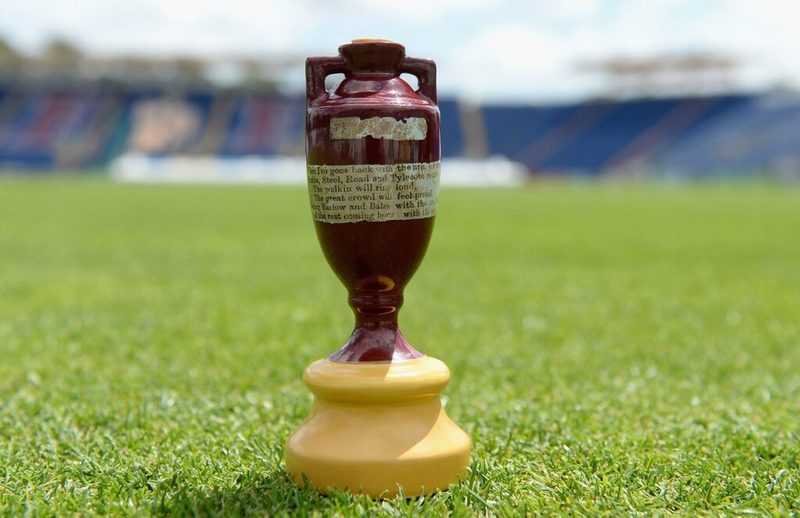
Every sport has rivalries, but only cricket has the Ashes: a contest born from a mock obituary, played for a tiny terracotta urn, and freighted with more history, mythology and national feeling than any other series in the game. England versus Australia, roughly every two years, home and away in turn, five Tests that stop two nations. To understand the Ashes is to understand much of what cricket means to the countries that invented and inherited it. This is the story of the oldest rivalry in cricket.
The birth of the Ashes: 1882 and the mock obituary
The legend begins with a shock. In August 1882, at The Oval in London, Australia beat England on English soil for the first time, winning a tense low-scoring match by seven runs. The result stunned Victorian England, and a satirical newspaper published a mock obituary declaring that English cricket had died, that the body would be cremated, and that the ashes would be taken to Australia. When England toured Australia that winter, the captain vowed to regain those ashes, and the press ran with the metaphor. During that tour, a small terracotta urn was presented to the England captain, said to contain the ashes of a burnt bail, and the Ashes as a concept, if not yet a formal trophy, was born. The urn itself, barely 15 centimetres tall, now resides permanently in the museum at Lord’s, too fragile to travel, with replicas presented to winning teams.
How the series works
The modern Ashes is a five-Test series played alternately in England and Australia on a roughly two-year cycle, slotted into both countries’ home summers. England hosts in its summer, with matches at Lord’s, The Oval, Headingley, Old Trafford, Edgbaston and other great grounds; Australia hosts in its summer, centred on the Boxing Day Test at the Melbourne Cricket Ground and the New Year Test in Sydney, with Brisbane, Adelaide and Perth completing the rotation. The holder retains the Ashes in the event of a drawn series, which adds a fascinating strategic layer: the touring side must win outright to take them home. The cricket is played at an intensity that participants describe as unlike anything else, with crowds, media scrutiny and national expectation amplifying every session.
Legendary series and defining moments
The Ashes has produced more iconic cricket than any other fixture. The 1932-33 Bodyline series, when England’s tactic of fast, short-pitched bowling at the body nearly caused a diplomatic incident, remains the most controversial episode in cricket history. Don Bradman’s otherworldly batting defined the interwar contests. The 1981 series, Botham’s Ashes, saw England win from impossible positions through one man’s genius. The 2005 series in England is widely considered the greatest Test series ever played, five matches of unbearable tension decided in the final overs at The Oval. Australia’s long dominance from 1989 to 2005, built on legendary pace attacks, was followed by a more even modern era of away-day struggles and home fortresses. Each generation adds its chapter, and the rivalry’s mythology grows with every telling.
Why the Ashes still matters
In an age of franchise leagues and crowded calendars, the Ashes’ primacy is constantly questioned and constantly reaffirmed. It matters because it is the one bilateral series that transcends cricket: politicians reference it, non-fans follow the scores, and winning it defines careers and captaincies. The urn’s symbolism, history as a living presence, and the genuine sporting hatred, always leavened by mutual respect, between two proud cricketing cultures, give it a charge no manufactured rivalry can match. Players from both sides describe winning an Ashes series, especially away from home, as the pinnacle of the sport. As long as Test cricket matters, the Ashes will be its beating heart.
- Born in 1882 after Australia’s first Test win on English soil and a satirical obituary.
- Five-Test series, alternating between England and Australia roughly every two years.
- The holders retain the Ashes if the series is drawn.
- The original urn stays at Lord’s; winners receive a replica.
FAQs
What are the Ashes, literally? A small terracotta urn, traditionally said to contain the ashes of a burnt cricket bail, presented during the 1882-83 tour.
How often are the Ashes played? Roughly every two years, alternating between English and Australian summers.
What happens if the series is drawn? The team holding the Ashes retains them; the challengers must win the series to take them.
Nearly a century and a half after a newspaper declared English cricket dead, the Ashes remain gloriously, furiously alive, the rivalry against which all others are measured.
Compiled by the Khabar 24h Editorial Desk from publicly available sources.

Khabar 24h Editorial Desk — our explainers are prepared by the Khabar 24h editorial team using AI-assisted research tools, and every piece is reviewed by a human editor before publishing. We do not claim original reporting: our work is turning complex topics into simple, accurate summaries. Spotted an error? Write to contact@khabar24h.com — our corrections policy aims for same-day review.
More from this author →