Hydration in Sport: How Much Water Athletes Really Need
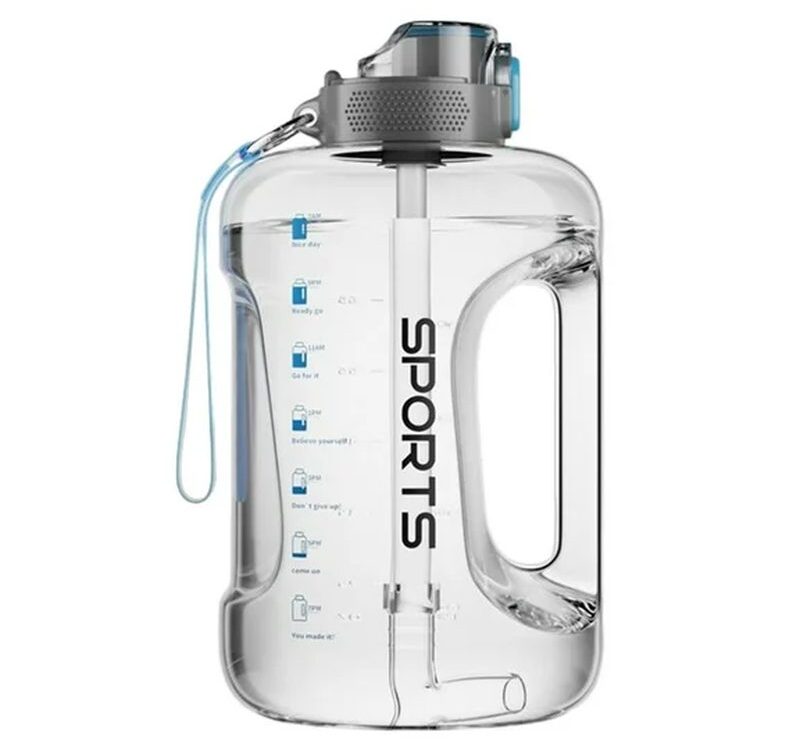
Drink eight glasses a day. Never get thirsty. Water is always best. Hydration advice is full of myths, and athletes who follow them blindly can harm their performance or even their health. The science of hydration in sport is more nuanced: needs vary enormously between individuals, conditions and sports, and both dehydration and overdrinking carry risks. Here is what athletes really need to know.
How much do athletes actually sweat?
Sweat rates vary astonishingly: from 0.5 litres per hour in a small athlete in cool conditions to over 2.5 litres per hour in a large athlete in heat and humidity. Sweat composition varies too, with sodium losses ranging from 200 to over 2,000 milligrams per litre. This individuality is why generic advice fails. The practical method is the sweat test: weigh yourself nude before and after an hour of exercise, account for fluids consumed, and each kilogram lost equals roughly a litre of sweat. Repeat in different conditions to build a personal profile. Teams now conduct sweat testing routinely, and the results often surprise athletes who discover they are heavy or salty sweaters.
Does dehydration hurt performance?
Yes, beyond a point. Losing more than about 2 per cent of body mass through sweat impairs endurance, increases heart rate and core temperature, and degrades skill and decision-making in team sports. In hot conditions, the effects compound dangerously toward heat illness. But the relationship is not linear, and the old claim that any dehydration is catastrophic has been moderated: elite marathoners routinely finish 3 to 4 per cent dehydrated while running superbly, because carrying less weight offsets some fluid loss. The practical target is to limit losses without obsessing: drink to stay within 2 to 3 per cent of starting weight in most situations.
Can you drink too much water?
Yes, and the consequences can be fatal. Exercise-associated hyponatremia, dangerously low blood sodium from overdrinking, has hospitalised and killed marathoners and triathletes who followed drink-as-much-as-possible advice. Symptoms, bloating, nausea, confusion, mimic dehydration, which makes misdiagnosis deadly: giving more water to a hyponatremic athlete worsens the condition. The condition is entirely preventable: drink to thirst rather than to schedule, do not gain weight during exercise, and include sodium in long events. The pendulum of hydration advice swung too far toward overdrinking in the 1990s; science has swung it back.
What should athletes drink?
For exercise under an hour, water is sufficient. Beyond that, sports drinks add value: carbohydrates fuel working muscles, sodium replaces sweat losses and aids fluid retention, and flavour encourages drinking. The ideal carbohydrate concentration is 6 to 8 per cent; stronger solutions slow absorption. In very long events, salty foods and electrolyte capsules supplement drinks. Caffeine, in moderate doses, enhances endurance performance. What matters most is palatability and gut tolerance: the best drink is the one the athlete will actually consume without stomach distress, which is why fuelling strategies are rehearsed in training, never debuted in competition.
How should athletes hydrate before and after?
Pre-hydration starts the day before: steady fluid intake, water-rich foods and pale-yellow urine as the guide. In the hours before, 5 to 7 millilitres per kilogram, topped up if urine is dark. During exercise, the plan is personal: drink to thirst, guided by sweat-rate knowledge, at regular opportunities. Afterward, replace 150 per cent of the fluid deficit, because urine losses continue; weighing before and after quantifies the target. Include sodium in recovery fluids and food to retain the water. Alcohol is a poor recovery choice: it impairs rehydration and sleep. The unglamorous truth is that consistent daily hydration habits matter more than any race-day protocol.
How does heat change the equation?
Heat multiplies every hydration challenge. Sweat rates soar, sodium losses climb, and the cardiovascular strain of cooling competes with the muscles for blood flow. Acclimatisation, 10 to 14 days of training in heat, improves sweating efficiency and reduces sodium concentration. Pre-cooling with cold drinks or ice vests can help in extreme conditions. Events in heat require aggressive but still thirst-guided drinking, shade and ice at aid stations, and the humility to adjust pace: no hydration strategy overcomes physics when the wet-bulb temperature soars. Hot-weather racing rewards the prepared and punishes the stubborn.
FAQs
Should athletes drink before feeling thirsty? Thirst is a reliable guide during exercise; scheduled overdrinking risks hyponatremia. Drink to thirst, not ahead of it.
Are sports drinks better than water? For exercise over an hour, yes: they provide carbohydrates and sodium that water lacks. Under an hour, water suffices.
How do you know if you are dehydrated? Dark urine, unusual fatigue and significant weight loss after exercise are the practical indicators.
Hydration is personal, not prescriptive: know your sweat rate, drink to thirst, respect sodium, and fear overdrinking as much as dehydration. The best hydration plan is the one built for your body.
Source: American College of Sports Medicine fluid guidelines

Khabar 24h Editorial Desk — our explainers are prepared by the Khabar 24h editorial team using AI-assisted research tools, and every piece is reviewed by a human editor before publishing. We do not claim original reporting: our work is turning complex topics into simple, accurate summaries. Spotted an error? Write to contact@khabar24h.com — our corrections policy aims for same-day review.
More from this author →