Diplomacy Explained: What Embassies, Consulates and Summits Actually Do
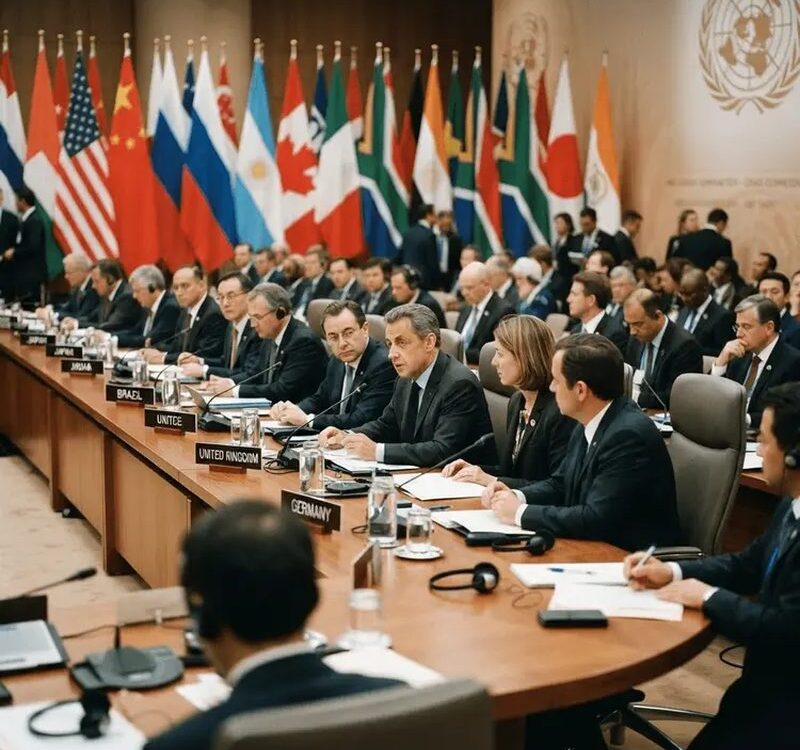
Diplomacy is often caricatured as cocktail parties and communiqués, but it is in fact one of humanity’s oldest professions — the machinery through which states talk, negotiate and avoid war. Embassies, consulates and summits are its visible instruments, each with distinct functions rooted in centuries of custom and codified in international treaties. This explainer demystifies what diplomats actually do all day.
What does an embassy actually do?
An embassy, headed by an ambassador, is a country’s official mission to another state’s government, located in the capital. Its core functions, set out in the 1961 Vienna Convention on Diplomatic Relations, are representation, negotiation, information-gathering and the protection of citizens abroad. In practice that means: reporting political developments home, lobbying the host government, promoting trade and culture, and assisting nationals in distress — from lost passports to evacuations during crises. Large embassies, like America’s in Baghdad or Beijing, are small cities with hundreds of staff spanning intelligence, military liaison, aid and commercial sections.
Embassy vs consulate: what is the difference?
The distinction is functional. Embassies handle government-to-government relations from the capital; consulates, in other cities, focus on practical services — visas, trade promotion and citizen assistance. A consulate-general in Mumbai or Shanghai serves business and travellers more than ministers. Both enjoy protections under international law, though consular immunity (1963 Vienna Convention) is narrower than full diplomatic immunity. Honorary consulates, run by local businesspeople rather than career diplomats, extend a country’s reach on the cheap.
What is diplomatic immunity?
Diplomatic immunity — the rule that diplomats cannot be arrested or prosecuted by the host country — is often misunderstood as a perk; it is actually a functional necessity, ensuring diplomats can work without intimidation. The host country can declare any diplomat persona non grata and expel them, and the sending state can waive immunity. Abuses make headlines — unpaid parking fines in London, the occasional serious crime — but the system survives because every country benefits: today’s host is tomorrow’s sender. Embassy premises themselves are inviolable, as the Iranian hostage crisis of 1979 brutally demonstrated.
What happens at summits?
Summits — meetings of heads of state — are diplomacy’s highest gear. They set strategic direction, resolve issues stuck at lower levels and generate the political theatre that signals commitment. Preparation is everything: sherpas negotiate declarations line by line for months, so leaders mostly ratify what officials agreed. But the unscripted moments matter too — a walk in the garden at Geneva, a tense bilateral at the G20 — where chemistry or its absence shapes outcomes. Multilateral summits (G20, COP climate talks, ASEAN) have proliferated because modern problems cross borders; bilateral summits (US-North Korea, India-China) aim to break deadlocks only leaders can break.
The quiet craft
Beneath the ceremony, diplomacy is a craft of relationships, language and patience.
- Reporting: the diplomat’s core product — telling the home government what is really happening and what it means.
- Negotiation: finding the zone of possible agreement, often through creative ambiguity both sides can sell at home.
- Public diplomacy: cultural centres, exchanges and media outreach that shape foreign publics’ views.
- Crisis management: hotlines, back channels and evacuations when relations break down or disaster strikes.
Technology has transformed the tools — leaders now text each other, and X posts move markets — but not the essence. Diplomacy remains the art of managing rivalry without war, and in an age of great-power competition, its practitioners are busier than ever.
Digital diplomacy: statecraft on social media
The newest diplomatic instrument is the smartphone. Foreign ministries now run sophisticated social-media operations, leaders announce policy on X, and viral posts can trigger diplomatic incidents overnight. Digital diplomacy lets small states punch above their weight — Ukraine’s wartime messaging is the masterclass — but it also rewards outrage over nuance and gives disinformation a direct channel into foreign publics. The craft endures, but the room where it happens now includes a timeline.
FAQs
Can diplomats be arrested?
Generally no — diplomatic immunity protects them from host-country prosecution, though they can be expelled as persona non grata and their home country can waive immunity.
What is the difference between an embassy and a consulate?
Embassies in capitals handle government-to-government relations; consulates in other cities focus on visas, trade and helping citizens.
Do summits actually achieve anything?
Most outcomes are pre-negotiated by officials, but summits provide political direction, resolve deadlocks and create the relationships that matter in crises.
Compiled by the Khabar 24h Editorial Desk from publicly available sources.

Khabar 24h Editorial Desk — our explainers are prepared by the Khabar 24h editorial team using AI-assisted research tools, and every piece is reviewed by a human editor before publishing. We do not claim original reporting: our work is turning complex topics into simple, accurate summaries. Spotted an error? Write to contact@khabar24h.com — our corrections policy aims for same-day review.
More from this author →