How to Choose the Right Sport for Your Child: A Parent’s Guide
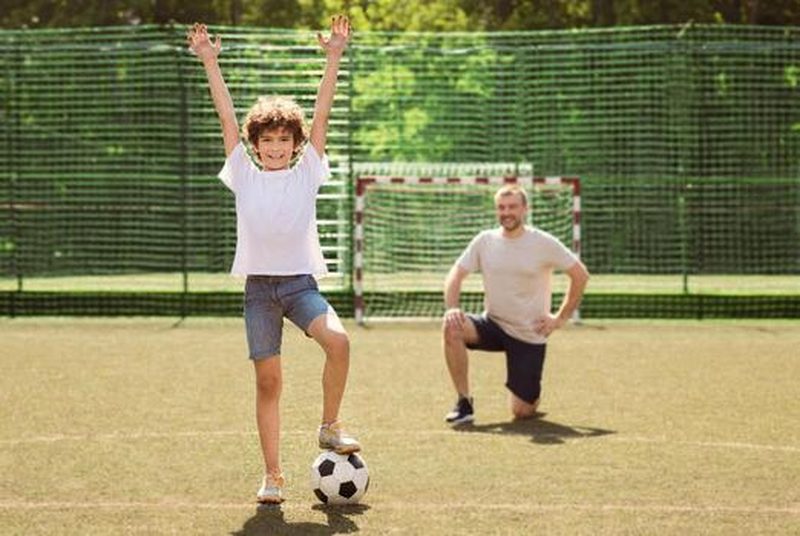
Every parent of an energetic child faces the question: which sport? The choice feels momentous, and the pressure, from academies promising stardom to relatives citing neighbours’ champions, makes it harder. But choosing a sport is not choosing a destiny; it is opening a door. This guide offers a practical framework for parents: what to consider, what to avoid, and how to keep the joy in the journey.
What should come first: interest or aptitude?
Interest, overwhelmingly. A child who loves football will train with enthusiasm that no amount of parental logic can manufacture for a sport they dislike. That said, aptitude matters at the margins: a tall child may find basketball or volleyball natural, a stocky one wrestling or weightlifting. The wise approach is exposure first: let the child try several sports through school and community programmes, observe what they gravitate toward, and then commit more seriously around ages 8 to 12. Early specialisation, committing to one sport before age 10, is discouraged by sports science: it increases injury risk and burnout without improving long-term outcomes. Sampling builds the athletic foundation that specialisation later refines.
How do practical factors shape the choice?
Dreams meet logistics quickly. Consider the honest constraints:
- Access: what facilities and coaches exist within reasonable travel distance? The best sport is often the one you can actually reach daily.
- Cost: team sports and athletics are cheap; tennis, golf, shooting and equestrian are expensive. Budget honestly for years, not months.
- Coaching quality: a good coach in an unfashionable sport beats a poor coach in a glamorous one; visit sessions before enrolling.
- Time: how does training fit with school? Elite pathways demand 15-plus hours weekly by the teens.
- Safety: contact sports carry injury risks that parents should understand, not fear; proper coaching mitigates most.
The right sport is the intersection of the child’s interest and the family’s sustainable reality.
What does the child’s body suggest?
Physique influences but never dictates. Height favours basketball, volleyball and rowing; explosive power suits sprinting and jumping; endurance builds for distance running and swimming; hand-eye coordination shines in racquet sports and cricket. But late developers confound every prediction: the small 12-year-old may be the tall 16-year-old. Body type should inform, not decide. Far more predictive are temperament and preference: the child who loves company thrives in team sports; the self-driven one may prefer individual disciplines. Watch the child, not just the body.
How do you spot a good coach and academy?
Coaching quality decides development. Good signs: certified coaches with track records of developing juniors, age-appropriate training that emphasises fundamentals and fun, safe facilities, reasonable batch sizes, and transparent fees. Warning signs: guarantees of stardom, pressure to specialise immediately, excessive training hours for young children, win-at-all-costs culture, and reluctance to let parents observe. Talk to parents of older athletes at the academy; their experience predicts yours. Remember that the coach of an 8-year-old should be a teacher first and a tactician distant second.
How do you balance sport with studies?
The Indian parent’s central anxiety has a reassuring answer: sport and studies coexist successfully with planning. Active children often perform better academically, and time discipline learned in sport transfers to schoolwork. The practical keys are scheduling, using travel and waiting time for study, communication with schools about competition leave, and choosing training loads that leave the child rested, not exhausted. Sports quotas in college admissions reward the balance. The danger is not sport but overload: when training, tuition and school leave no time to be a child, something must give, and it should not be childhood.
When should you step back?
Parental intensity is the commonest poison in youth sport. Warning signs: the child dreads training, feigns illness before sessions, or plays to please you rather than themselves. If winning matters more to the parent than the child, the dynamic is broken. The parent’s role is logistics, encouragement and perspective: drive them there, cheer unconditionally, and love them the same after defeats. Never coach from the sidelines, never criticise immediately after competition, and never tie affection to performance. The children who reach the top almost always describe parents who supported without pressuring. Joy is the fuel of longevity; protect it above all.
FAQs
What is the best age to start a sport? General physical activity from age 4-6, sampling multiple sports through childhood, and serious specialisation around 12-14 for most sports.
Should children specialise in one sport early? No. Sports science favours multi-sport sampling until the early teens to prevent injury and burnout.
How many hours should children train? Roughly one hour per week per year of age is a sensible guideline; more requires careful monitoring.
Choose with the child’s joy as the compass, the family’s reality as the map, and patience as the vehicle. The right sport is the one they still love in ten years.
Source: American Academy of Pediatrics youth sports guidance

Khabar 24h Editorial Desk — our explainers are prepared by the Khabar 24h editorial team using AI-assisted research tools, and every piece is reviewed by a human editor before publishing. We do not claim original reporting: our work is turning complex topics into simple, accurate summaries. Spotted an error? Write to contact@khabar24h.com — our corrections policy aims for same-day review.
More from this author →