Football Positions Explained: Roles, Formations and Modern Tactics
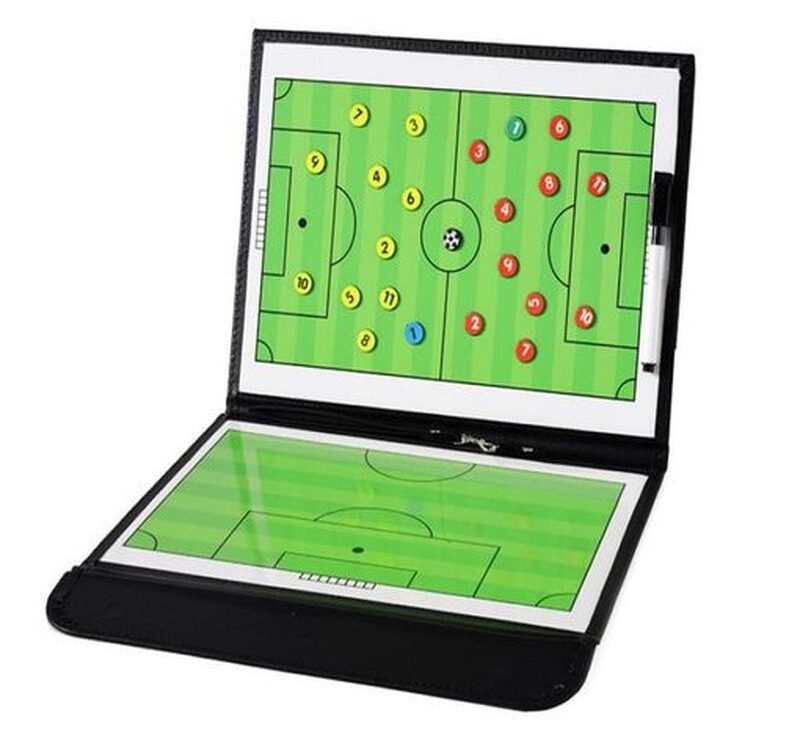
Football looks simple, eleven players trying to score more than the other eleven, but beneath that simplicity lies a sophisticated tactical world of positions, formations and systems. The numbers on the team sheet, the 4-3-3s and 3-5-2s, describe starting shapes that morph constantly once the ball moves. Understanding positions and formations is the key to understanding why teams play the way they do. This guide explains the roles, the classic formations and the tactical trends defining modern football.
The positions: roles across the pitch
Every position has a job description that has evolved with the game. The goalkeeper is the last line and, in the modern game, the first attacker, expected to play out from the back with their feet. Centre-backs defend the penalty area but now also step into midfield and start attacks. Full-backs, once purely defensive, have become auxiliary wingers, providing width and crosses, while the inverted full-back tucks into midfield. Central midfielders divide into holders who shield the defence, box-to-box engines who do everything, and playmakers who dictate tempo. Wingers stretch the play and cut inside to shoot; the number ten operates between the lines, creating chances. Strikers come in flavours: the target man who holds up play, the poacher who lives on the last defender’s shoulder, and the false nine who drops deep to overload midfield. Each role demands a distinct athletic and technical profile, which is why recruitment is now so position-specific.
Formations: the classic shapes
Formations are described by the numbers of defenders, midfielders and forwards, the goalkeeper understood. The 4-4-2, with its two banks of four, was the default of English football for decades: solid, simple, and increasingly outmanoeuvred by midfield overloads. The 4-3-3, popularised by the great possession teams, offers midfield control and attacking width, with a single holding midfielder shielding the defence. The 4-2-3-1 adds a second holder for security and a dedicated number ten. The 3-5-2 and its variants use three centre-backs and wing-backs to dominate the flanks while matching opponents in midfield. The 5-3-2 is its defensive cousin. But modern coaches treat formations as starting points: teams defend in one shape and attack in another, full-backs become midfielders in possession, and wingers become strikers. The formation on the graphic is the least interesting thing about how a top team actually plays.
Modern tactics: pressing, possession and transitions
Three tactical concepts dominate the modern game. Pressing, hunting the ball in coordinated packs immediately after losing it, has become the defining tactic of elite football, with gegenpressing, the instant counter-press, its most extreme form. Possession football, keeping the ball to control the game, remains the philosophy of the great dominant sides, built on positional play, triangles and numerical superiority in every zone. Transitions, the moments when possession changes hands, are where matches are increasingly decided: the best teams are lethal in the seconds after winning the ball, attacking disorganised defences before they reset. Around these pillars sit the details: high defensive lines that compress the pitch, set-piece sophistication that turns dead balls into goals, and data-driven game plans tailored to each opponent’s weaknesses. Tactics have never been more sophisticated, or more decisive.
How positions keep evolving
The only constant in football tactics is change. The traditional winger gave way to the inverted winger; the midfield destroyer evolved into the deep-lying playmaker; the goalkeeper became a sweeper-keeper. Hybrid roles proliferate: the false nine, the inverted full-back, the wide playmaker, each blurring the old positional lines. Youth development now trains versatility, producing players comfortable in multiple roles and systems. Data analysis accelerates the evolution, identifying undervalued roles and optimal shapes. What will not change is the underlying contest: eleven athletes, a ball, and the eternal tactical battle between those who want it and those who want to stop them.
- Positions have specialised: sweeper-keepers, inverted full-backs and false nines are modern inventions.
- Formations describe starting shapes; teams morph between attacking and defensive structures constantly.
- Pressing, possession and transitions are the three pillars of modern tactical thinking.
- Set pieces are increasingly decisive, with dedicated coaches and detailed routines.
FAQs
What is the most common formation today? The 4-3-3 and 4-2-3-1 dominate elite football, with three-at-the-back systems as the main alternative.
What is gegenpressing? An intense tactic of pressing immediately after losing possession to win the ball back within seconds, before the opponent can organise.
Do formations really matter? They matter as frameworks, but modern football is about principles, pressing triggers, spacing, rotations, more than fixed shapes.
Football’s tactical world rewards the curious: once you see the shapes, the pressing traps and the rotations, you never watch the game the same way again.
Compiled by the Khabar 24h Editorial Desk from publicly available sources.

Khabar 24h Editorial Desk — our explainers are prepared by the Khabar 24h editorial team using AI-assisted research tools, and every piece is reviewed by a human editor before publishing. We do not claim original reporting: our work is turning complex topics into simple, accurate summaries. Spotted an error? Write to contact@khabar24h.com — our corrections policy aims for same-day review.
More from this author →