Field Hockey Rules Explained: A Complete Beginner’s Guide
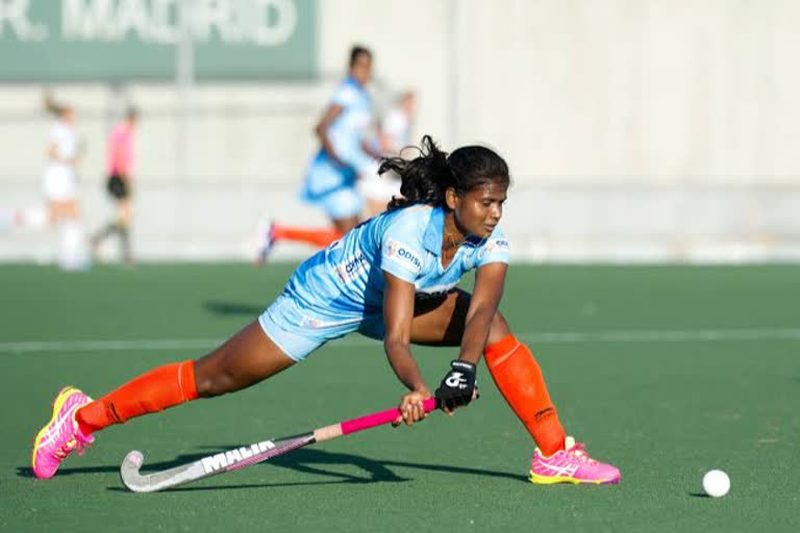
Field hockey is one of the world’s oldest and fastest team sports: eleven players a side, a small hard ball, and sticks used to pass, dribble and shoot at speed. For newcomers, it can look chaotic, players crouching, sticks flashing, the ball pinging around an artificial turf at bewildering pace. But beneath the blur lies a clear, elegant set of rules. This complete beginner’s guide explains how field hockey works: the pitch, the scoring, the fouls, the penalty corners and everything else you need to follow the game.
The pitch, the players and the basics
Hockey is played on a rectangular pitch, 91.4 metres long and 55 metres wide, now almost always artificial turf, which keeps the ball fast and true. Each team fields eleven players: a goalkeeper in full protective gear and ten outfield players. Matches consist of four quarters of 15 minutes each, with short breaks between quarters and a longer half-time. The clock stops for penalty corners and other stoppages at the top level. The objective is simple: score more goals than the opposition by hitting the ball into the goal, which is 3.66 metres wide and 2.14 metres high. Players may only play the ball with the flat side of the stick; using the rounded back side is a foul. The ball may not be raised dangerously, and players cannot use their bodies to control it, though goalkeepers may use any part of their body within their defensive zone.
How goals are scored: the shooting circle
Hockey’s most distinctive rule is the shooting circle, the D-shaped area in front of each goal. A goal only counts if the ball is struck from inside the circle, either by an attacker or after being touched by an attacker or defender inside it. This single rule shapes the entire sport: attacks are about penetrating the circle, defences about keeping opponents out of it. Goals can be scored from open play, from penalty corners, or from penalty strokes. Deflections and close-range finishes are common, which is why goalmouth scrambles are hockey’s most dramatic passages. The circle rule rewards skill and teamwork over long-range hopefuls, and it makes the final pass, the ball into the D, the most valuable action in the attacking game.
Fouls, cards and penalty corners
Hockey is a non-contact sport in theory, though a physical one in practice. Common fouls include obstructing an opponent, tackling from behind, using the back of the stick, dangerous raised balls, and physical contact. Minor fouls result in a free hit to the opposition; more serious or repeated offences bring cards. The green card is a warning with a two-minute suspension; the yellow card means a longer suspension, at least five minutes; the red card means dismissal for the rest of the match. When defenders commit fouls inside the circle, or deliberately foul outside it to prevent a goal, the umpire awards a penalty corner, hockey’s equivalent of a set piece, in which the attacking team gets a rehearsed shot at goal against a limited defence. A penalty stroke, a one-on-one from 6.4 metres, is awarded for the most serious circle infringements.
The flow of the game: what to watch for
Modern hockey is played at extraordinary tempo: rapid passing, pressing all over the pitch, and rolling substitutions that keep fresh legs coming, much like ice hockey. Teams press high to win the ball, counter-attack at speed, and use aerial balls over the press. The penalty corner is the set-piece weapon every team drills endlessly, with drag-flickers who can fire the ball at over 100 kph. Goalkeepers, armoured like gladiators, make reflex saves that defy belief. For the new viewer, watch the midfield battle for control of the ball, the race to enter the circle, and the penalty-corner routines: these are where matches are won. Once you understand the circle, the cards and the corners, hockey reveals itself as one of the most skilful and thrilling sports on earth.
- 11 players per side on an artificial-turf pitch; four 15-minute quarters.
- Goals must be scored from inside the shooting circle.
- Only the flat side of the stick may play the ball.
- Penalty corners are awarded for circle fouls; penalty strokes for the most serious ones.
FAQs
Can players use their feet in hockey? Outfield players may not deliberately play the ball with their feet; only goalkeepers may use their bodies, within limits.
What is a penalty corner? A set piece awarded for defensive fouls in the circle, giving attackers a rehearsed scoring chance against five defenders.
Why do players get substituted so often? Rolling substitutions allow teams to maintain the sport’s ferocious tempo with fresh legs throughout.
Field hockey rewards the newcomer richly: learn the circle, respect the cards, and enjoy one of the fastest, most skilful games ever devised.
Compiled by the Khabar 24h Editorial Desk from publicly available sources.

Khabar 24h Editorial Desk — our explainers are prepared by the Khabar 24h editorial team using AI-assisted research tools, and every piece is reviewed by a human editor before publishing. We do not claim original reporting: our work is turning complex topics into simple, accurate summaries. Spotted an error? Write to contact@khabar24h.com — our corrections policy aims for same-day review.
More from this author →