Why Species Go Extinct – and Why Extinction Matters
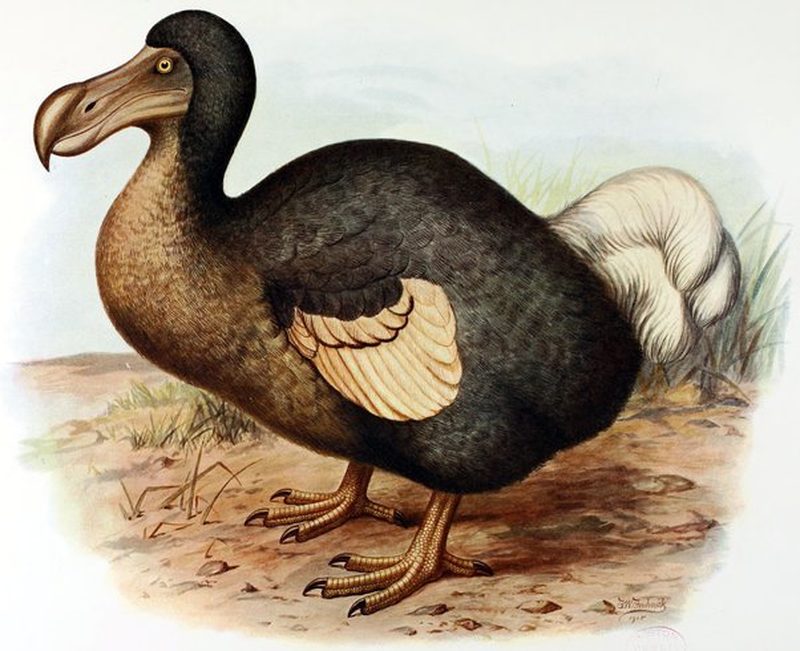
Extinction is the ultimate fate of nearly every species that has ever lived. Of the roughly five billion species estimated to have inhabited Earth, more than 99 per cent are gone, vanished through the ordinary turnover of evolution and through five catastrophic mass extinctions. In that sense, extinction is as natural as birth. What is not natural is the current pace. Biologists estimate that species are now disappearing at tens to hundreds, possibly a thousand, times the background rate, driven by habitat destruction, overexploitation, invasive species, pollution and climate change. Scientists call it the sixth mass extinction, the first caused by a single species: us. Understanding why species go extinct, and why their loss matters beyond sentiment, is essential because the choices that slow the losses are still, just barely, available.
The natural causes of extinction
Even without humans, species vanish. The background extinction rate, estimated from the fossil record, is roughly one species per million per year, driven by competition, predation, disease, climate shifts and sheer bad luck. Small populations are inherently vulnerable: a single storm, epidemic or drought can wipe out a species confined to one island or valley, which is why island species like the dodo, which evolved without predators on Mauritius and was gone within a century of human arrival, are extinction-prone. Specialists are more vulnerable than generalists: the giant panda’s dependence on bamboo or a pollinator’s reliance on a single flower becomes a death sentence when the partner disappears. Evolutionary bad luck plays a role too; the Irish elk’s enormous antlers may have become unsustainable as climates changed. And then there are the mass extinctions, when asteroids, flood basalts or runaway climate shifts erase most of life at once. The fossil record’s message is sobering: survival is the exception, and even dominant groups like the dinosaurs eventually meet a catastrophe they cannot out-evolve.
How humans drive extinction today
Human-caused extinction operates through a well-studied set of pressures, memorably summarised as habitat loss, overexploitation, invasive species, pollution and climate change. Habitat destruction is the leading killer: as forests fall to farms, mines and cities, species lose the only homes they have, with tropical forests, which hold most biodiversity, under the greatest pressure. Overexploitation emptied the seas of the great whales, wiped out the passenger pigeon, once North America’s commonest bird, and today drives tigers, pangolins and countless fish toward the brink through poaching and overfishing. Invasive species, from brown tree snakes on Guam to water hyacinth in Indian wetlands, devastate naive native fauna. Pollution’s victims include India’s vultures, nearly exterminated by the livestock drug diclofenac, with populations crashing 99 per cent in a decade. Climate change is the newest and fastest-growing threat, shifting habitats faster than species can follow; the golden toad of Costa Rica, extinct since the 1980s, is its famous early victim. These forces interact: fragmented habitats cannot support migration to cooler refuges, and stressed populations succumb more easily to disease.
Why each extinction matters
The case for preventing extinction is practical as well as moral. Species are the working parts of ecosystems that provide clean water, pollination, fertile soil, fisheries and climate regulation, services worth far more than the global economy; remove enough parts and the machine falters. The vulture crisis showed this brutally: as India’s vultures vanished, carcasses rotted uneaten, feral dog populations exploded, and rabies cases rose, costing thousands of human lives and billions of rupees. Biodiversity is also humanity’s library of solutions: the Madagascar periwinkle gave us childhood leukaemia drugs, horseshoe crab blood tests vaccines for contamination, and wild crop relatives hold the genes that will breed climate-resilient wheat and rice. Ethically, many argue species have intrinsic value beyond their use to us, a view reflected in India’s constitutional duty to protect wildlife. And there is a warning in every extinction: the same forces erasing other species, habitat loss, pollution, climate disruption, ultimately threaten the one species causing them.
- Over 99 per cent of all species that ever lived are now extinct.
- Current extinction rates are estimated at tens to 1,000 times the natural background rate.
- India’s vultures declined 99 per cent in a decade due to the drug diclofenac.
- The passenger pigeon went from billions to zero in a century of hunting.
- Five mass extinctions have occurred; scientists warn a sixth is underway.
Can extinction be reversed?
Conservation has real victories: the Asiatic lion, the tiger, the one-horned rhinoceros and the California condor were all pulled back from the brink. Legal protection, habitat restoration, captive breeding and community involvement work when sustained. De-extinction, resurrecting species like the mammoth or passenger pigeon from DNA, captures imaginations and investment, but faces enormous technical and ecological obstacles: a resurrected mammoth would be an elephant hybrid with nowhere to live, and the funds might save a hundred living species instead. More promising is the growing recognition that conservation must work at the scale of landscapes and with local communities, as India’s Project Tiger and the vulture breeding centres demonstrate. The UN’s biodiversity framework aims to protect 30 per cent of land and seas by 2030. Whether the sixth extinction becomes a true mass extinction or a bad century that humanity corrected is the open question of our time, and the answer is being written in forests, courts and village councils right now.
FAQs
How many species go extinct each day? Estimates vary wildly because most species are undescribed; commonly cited figures range from dozens to over a hundred per day, but all agree the rate far exceeds the natural background.
What was the biggest mass extinction? The end-Permian, 252 million years ago, wiped out about 90 per cent of species, driven by Siberian volcanic eruptions.
Extinction is forever, but it is not inevitable. Every species saved, from Gir’s lions to the vultures returning to Indian skies, proves that the trajectory can be bent.
Compiled by the Khabar 24h Editorial Desk from publicly available sources.

Khabar 24h Editorial Desk — our explainers are prepared by the Khabar 24h editorial team using AI-assisted research tools, and every piece is reviewed by a human editor before publishing. We do not claim original reporting: our work is turning complex topics into simple, accurate summaries. Spotted an error? Write to contact@khabar24h.com — our corrections policy aims for same-day review.
More from this author →