The Vulture Crisis: How a Cattle Painkiller Nearly Wiped Out India’s Vultures
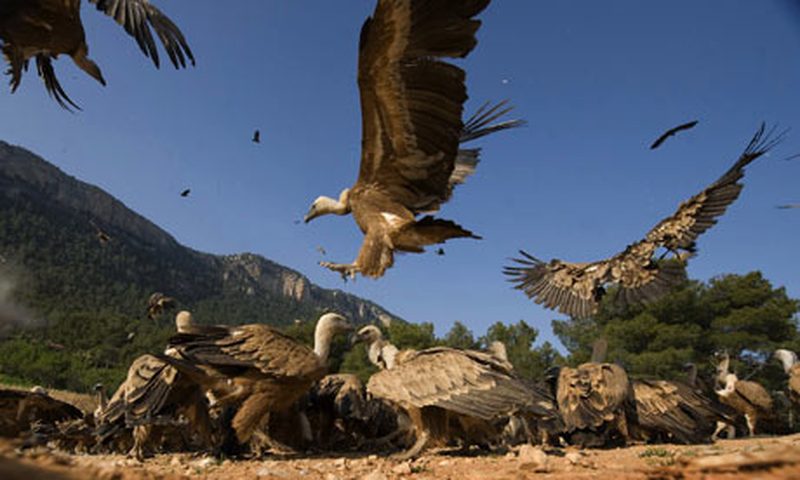
In the 1980s, the skies over India darkened with vultures. Tens of millions of them rode the thermals, cleaning carcasses with an efficiency no machine could match. Then, within a single decade, more than 95 percent vanished, one of the fastest population collapses ever recorded in a bird. The killer was not a virus or habitat loss but a common cattle painkiller: diclofenac. The vulture crisis is a cautionary tale about how a single chemical can unravel an ecosystem, and a story of a painstaking fightback.
The invisible poison
The mechanism was cruelly simple. Farmers across South Asia treated sick cattle with diclofenac, a cheap non-steroidal anti-inflammatory drug. When treated animals died, their carcasses, routinely left in the open for scavengers, carried drug residues. Vultures that fed on them suffered acute kidney failure; even trace doses were lethal. A vulture’s metabolism, superbly adapted to neutralise the bacteria and toxins of rotting meat, had no defence against this synthetic molecule. By the time researchers identified diclofenac in 2003, the damage was nearly total: the white-rumped, Indian and slender-billed vultures, once numbering in the tens of millions, were functionally extinct across much of their range.
The ecological fallout was immediate and severe. Without vultures, carcasses rotted in the open, and feral dog populations exploded on the uneaten meat. Dog bites and rabies surged, with studies attributing tens of thousands of additional human rabies deaths and billions of dollars in costs to the vultures’ disappearance. The Parsi community, which relies on vultures for sky burials, was devastated. It was a textbook demonstration of ecosystem services: nobody notices the cleaners until they are gone.
The ban and the breeding centres
India banned veterinary diclofenac in 2006, with Nepal, Pakistan and Bangladesh following, and promoted meloxicam, a vulture-safe alternative. Enforcement was imperfect, human formulations were diverted to veterinary use, and other toxic drugs like ketoprofen and aceclofenac emerged, but the ban marked the turning point. Meanwhile, conservationists built a captive-breeding safety net: breeding centres in Haryana, West Bengal, Madhya Pradesh and elsewhere began raising vultures for eventual release.
Breeding vultures is slow work. They lay a single egg a year and take years to mature, so building releasable populations took over a decade. The first releases began in the 2010s into designated vulture safe zones, areas where monitoring and advocacy aimed to keep the environment diclofenac-free. Satellite-tagged birds now soar over parts of central India again, and recent surveys show declines have halted, with tentative increases in some strongholds.
- Cause: diclofenac residues in cattle carcasses caused fatal kidney failure in vultures.
- Scale: over 95% decline in a decade; tens of millions of birds lost.
- Consequences: feral dog boom, more rabies, rotting carcasses, huge economic costs.
- Response: 2006 veterinary ban, safe alternative meloxicam, captive breeding centres.
- Status: declines halted; slow recovery underway in vulture safe zones.
The long road back
Recovery will take decades. Vultures breed slowly, the safe zones cover only part of the range, and new threats keep appearing: power-line collisions, the still-circulating toxic drugs, and habitat disturbance at nesting cliffs. Conservationists now push for bans on the remaining vulture-toxic NSAIDs and for stronger safe-zone enforcement, while expanding releases. The goal is self-sustaining wild populations, not permanent dependence on breeding centres.
The deeper lesson endures. A single widely used drug, tested for human and livestock safety but never for scavengers, nearly erased an entire guild of birds. Modern conservation now includes the concept of ecotoxicology screening for veterinary pharmaceuticals, an idea born directly from the vulture catastrophe. What died in those millions of vultures was not just birds but an assumption: that what is safe for cattle is safe for the web of life around them.
FAQs
What exactly is diclofenac? A common anti-inflammatory painkiller, safe for humans and cattle but lethally toxic to vultures, causing kidney failure at tiny doses.
Are vultures recovering? Yes, slowly. The crash has stopped and numbers are stabilising or rising in protected areas, but full recovery will take decades.
Why do vultures matter? They dispose of carcasses quickly and hygienically, suppressing disease, feral dogs and the spread of pathogens like anthrax.
The vulture crisis was conservation’s fastest disaster and is becoming one of its most instructive recoveries. From tens of millions to the edge of oblivion and back toward stability, India’s vultures are a reminder that ecosystems run on invisible labour, and that losing it can cost far more than saving it ever would.
Source: Bombay Natural History Society

Khabar 24h Editorial Desk — our explainers are prepared by the Khabar 24h editorial team using AI-assisted research tools, and every piece is reviewed by a human editor before publishing. We do not claim original reporting: our work is turning complex topics into simple, accurate summaries. Spotted an error? Write to contact@khabar24h.com — our corrections policy aims for same-day review.
More from this author →