The Chemistry Inside a Lithium-Ion Battery: How Batteries Store Energy
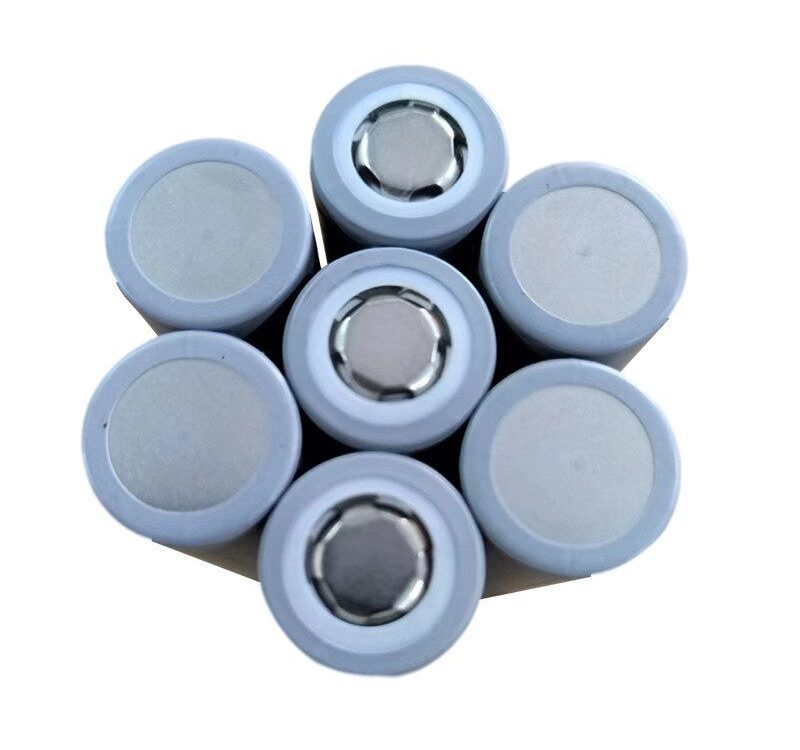
Inside every smartphone, laptop and electric car sits a small chemical miracle: the lithium-ion battery, which stores energy not as fuel but as shuttling ions. Charge it and lithium ions march from one electrode to the other; discharge it and they march back, releasing their energy as electricity. This rocking-chair chemistry, commercialised by Sony in 1991 after decades of laboratory research, made the modern portable world possible and is now electrifying transport. The battery’s performance, its capacity, lifespan and safety, all emerge from the atomic-scale choreography inside.
The three essential parts
Every lithium-ion cell has the same anatomy. The cathode, the positive electrode, is typically a metal oxide containing lithium, such as lithium cobalt oxide or lithium iron phosphate; its crystal structure hosts the lithium ions. The anode, the negative electrode, is usually graphite, whose layered structure offers parking spaces for ions. Between them sits the electrolyte, a lithium salt dissolved in organic solvents, which conducts ions but not electrons, plus a thin porous separator that keeps the electrodes from touching. The whole cell is a carefully balanced and precisely manufactured chemical system where each component’s properties set the battery’s limits.
Charging and discharging: the ion shuttle
Discharge, powering your device, works like this: lithium ions flow from the graphite anode through the electrolyte to the cathode, while electrons take the external route through the circuit, doing useful work along the way. Charging reverses the flow: an external voltage forces ions back into the graphite, storing energy in the chemical concentration gradient. The electrodes barely change shape in the process, which is why the cell can cycle hundreds or thousands of times. The cell voltage, around 3.7 volts nominal for most chemistries, reflects the energy difference between lithium’s two parking spots.
Why capacity fades
Batteries age because side reactions slowly consume the cast. On the very first charge, electrolyte decomposes on the anode to form the solid electrolyte interphase, a protective layer that is essential but permanently locks away some lithium. Each cycle grows microscopic cracks, exposes fresh surfaces and thickens the layer, while some lithium plates as metal instead of intercalating, especially during fast charging in the cold. High temperatures accelerate all of it. This is why phones hold less charge after two years and why EV makers obsess over thermal management: heat is the great ager of batteries.
The chemistries competing
Not all lithium-ion batteries are the same; the cathode chemistry defines the trade-offs:
- NMC (nickel manganese cobalt): high energy density for long-range EVs, but expensive and cobalt-dependent.
- LFP (lithium iron phosphate): cheaper, longer-lived and safer, increasingly dominant in standard-range EVs and grid storage.
- LCO (lithium cobalt oxide): the classic phone and laptop chemistry, compact but shorter-lived.
Safety: why batteries sometimes burn
The electrolyte is flammable, and a damaged cell can enter thermal runaway: heat triggers more reactions, releasing more heat, until the cell vents flame. Good design makes this rare in practice, with battery management systems constantly monitoring every cell’s voltage and temperature, fuses and vents containing failures, and pack engineering stopping one bad cell from cascading. Solid-state batteries, replacing liquid electrolyte with ceramic, promise to remove the flammability at its root, though manufacturing them at scale remains the industry’s great unsolved challenge.
FAQs
Should I charge to 100 percent? For daily use, most makers suggest 80 to 90 percent; full charges stress the chemistry slightly. Save 100 percent for long trips.
Do batteries have memory? No, that was nickel-cadmium. Lithium-ion prefers partial cycles; deep discharges wear it faster.
Can EV batteries be recycled? Yes, and increasingly profitably: recyclers recover lithium, nickel, cobalt and copper, and retired EV packs get second lives as stationary storage.
The lithium-ion battery is electrochemistry turned into infrastructure: ions marching faithfully back and forth a billion times over, silently powering the 21st century, from the phone in your pocket to the electric car in your driveway to the grid-scale installations smoothing entire power systems. Its limits, set by atomic parking spaces and side reactions, define the range of our cars and the life of our devices, and pushing those limits is one of the defining engineering races of our time, with billions in research funding chasing every extra percent.
Source: US Department of Energy

Khabar 24h Editorial Desk — our explainers are prepared by the Khabar 24h editorial team using AI-assisted research tools, and every piece is reviewed by a human editor before publishing. We do not claim original reporting: our work is turning complex topics into simple, accurate summaries. Spotted an error? Write to contact@khabar24h.com — our corrections policy aims for same-day review.
More from this author →