Gulf Monarchies Explained: How Saudi Arabia and the UAE Are Governed
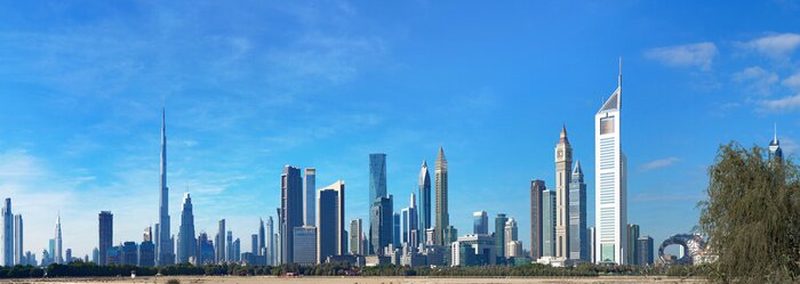
The monarchies of the Gulf — Saudi Arabia, the United Arab Emirates, Qatar, Kuwait, Bahrain and Oman — are among the world’s wealthiest and most politically distinctive states. Power flows from ruling families rather than elected parliaments, yet these are not frozen autocracies: in recent years, Gulf monarchies have pursued sweeping economic diversification, social liberalisation and assertive foreign policies. This explainer looks at how Saudi Arabia and the UAE, the region’s two heavyweights, are actually governed.
Saudi Arabia: an absolute monarchy in transition
Saudi Arabia is an absolute monarchy where the king holds executive, legislative and judicial authority. There is no elected national legislature; the Majlis al-Shura, a 150-member consultative council, advises the king but cannot pass binding laws. Real power sits with the Al Saud royal family, and since 2017 it has concentrated in the hands of Crown Prince Mohammed bin Salman, who became prime minister in 2022. His Vision 2030 programme aims to wean the economy off oil through mega-projects, tourism and technology investment, while social reforms have expanded women’s rights, including the right to drive and greater workforce participation.
How is the UAE governed?
The United Arab Emirates is a federation of seven emirates, each ruled by its own hereditary emir. The president, traditionally the ruler of Abu Dhabi, and the prime minister, traditionally the ruler of Dubai, lead a federal government with ministries for foreign affairs, defence and the economy, while individual emirates retain wide powers over local matters. The Federal National Council is a 40-member advisory body, half of whose members are chosen by an electoral college of appointed citizens; it can question ministers but not legislate against the rulers’ will. The model has delivered remarkable stability and prosperity, built on oil wealth, trade and a huge expatriate workforce.
Where does legitimacy come from?
Gulf monarchies rest on a bargain often described as rentier politics: the state distributes oil wealth through jobs, subsidies, housing and tax-free incomes, and citizens in turn accept limited political participation. Tribal loyalty, religious authority and nationalist pride reinforce the arrangement. Saudi Arabia’s rulers draw additional legitimacy from custodianship of Islam’s two holiest sites, Mecca and Medina. As oil revenues face long-term pressure and young populations demand jobs, rulers have responded with nationalist mega-projects and economic reform rather than democratic opening.
What has changed in recent years?
The pace of change has been striking, particularly in Saudi Arabia.
- Economic diversification: sovereign wealth funds, led by Saudi Arabia’s Public Investment Fund, now invest globally in technology, sports and entertainment.
- Social opening: cinemas reopened, concerts are routine, and women’s participation in the workforce has risen sharply.
- Foreign policy activism: both Riyadh and Abu Dhabi intervene across the Middle East, from Yemen to the Horn of Africa, and compete for regional influence.
- Limits: political dissent remains tightly controlled, and high-profile crackdowns have drawn international condemnation.
The Gulf monarchies demonstrate that authoritarian systems can be dynamic: they have modernised economies and societies without democratising politics. Whether the rentier bargain survives the energy transition, and whether a young, connected citizenry continues to accept it, are the region’s defining questions for the coming decades.
Kuwait: the Gulf’s democratic exception
Kuwait stands apart. Its 50-member National Assembly is directly elected and wields genuine power: it can question ministers, block legislation and force governments to resign. The ruling Al Sabah family retains the premiership and can dissolve parliament, producing a decades-long cycle of elections, confrontations and dissolutions. The experiment shows both the appetite for representation in Gulf societies and the limits monarchs place on it. Bahrain’s elected Council of Representatives, by contrast, operates in a far more constrained space, with opposition movements banned and many seats uncontested in practice.
Succession and the next generation
Leadership transitions are the monarchies’ recurring stress test. Saudi Arabia’s 2017 elevation of Mohammed bin Salman broke with seniority-based succession and concentrated power in one branch of the family, a gamble that has so far paid off through oil wealth and reform momentum. In the UAE, the smooth 2022 transition to Sheikh Mohamed bin Zayed after his brother’s death showcased institutional stability. Oman and Kuwait have also managed successions without crisis. How these states handle generational change — and whether reform creates constituencies that eventually demand a political voice — will shape the Gulf’s next chapter.
FAQs
Do citizens of Gulf monarchies vote?
Mostly no. Kuwait has an elected parliament with real powers, and Bahrain has an elected lower house, but Saudi Arabia, the UAE, Qatar and Oman have only advisory or appointed bodies.
Who rules Saudi Arabia today?
King Salman is the monarch, but day-to-day power rests with Crown Prince Mohammed bin Salman, who serves as prime minister and drives the Vision 2030 reform agenda.
Why are the Gulf states so wealthy?
Vast oil and gas reserves, small citizen populations and decades of high energy prices built enormous sovereign wealth, now being reinvested into diversified economies.
Compiled by the Khabar 24h Editorial Desk from publicly available sources.

Khabar 24h Editorial Desk — our explainers are prepared by the Khabar 24h editorial team using AI-assisted research tools, and every piece is reviewed by a human editor before publishing. We do not claim original reporting: our work is turning complex topics into simple, accurate summaries. Spotted an error? Write to contact@khabar24h.com — our corrections policy aims for same-day review.
More from this author →