Ration Cards and the PDS: How Fair Price Shops Feed 80 Crore Indians
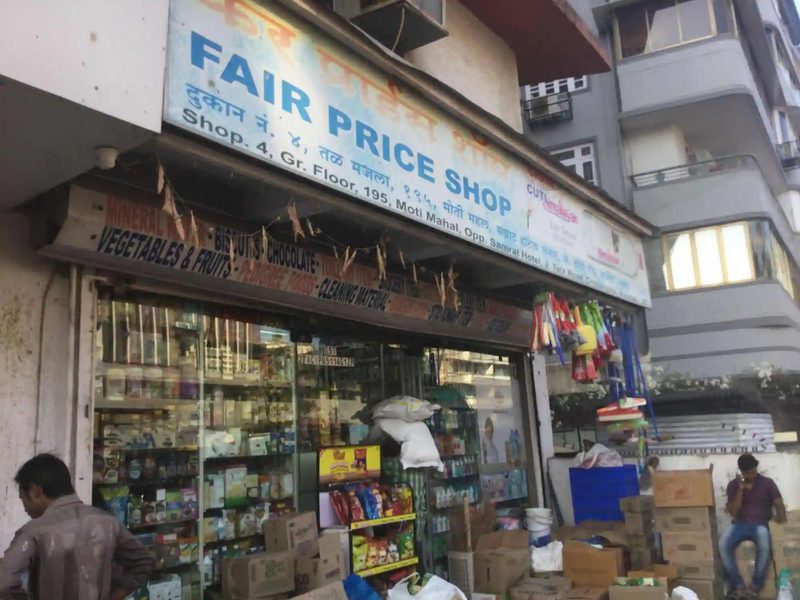
The Public Distribution System is the world’s largest food security programme: around 80 crore Indians, nearly two-thirds of the population, receive subsidised or free foodgrain through over 5 lakh fair price shops, under the National Food Security Act of 2013. Born in wartime rationing, matured through decades of reform, and digitised in the 2010s, the PDS is the backbone of India’s food security, and the subject of endless debate about leakage, quality, and design. This is how the ration card system feeds a nation.
From rationing to rights
The PDS began as wartime rationing in the 1940s, became a universal system in the 1960s-70s, was targeted in 1997 to focus on the poor, and was transformed into a legal entitlement by the NFSA in 2013. The Act entitles 75 per cent of the rural and 50 per cent of the urban population to 5 kg of foodgrain per person per month at Rs. 3, 2, and 1 per kg for rice, wheat, and coarse grains, with the poorest households under Antyodaya Anna Yojana getting 35 kg per household. In 2023, the government made the distribution free, absorbing the nominal charges, under the PM Garib Kalyan Anna Yojana, extended for five years from 2024. The scale is staggering: the Food Corporation of India and state agencies procure, store, and move around 6-7 crore tonnes of grain annually, one of the largest food logistics operations on earth.
The ration card and the fair price shop
The ration card is the key to the system: issued by states, categorised by priority and Antyodaya status, and now digitised and Aadhaar-seeded under the end-to-end computerisation drive. The fair price shop is the last mile: privately licensed but publicly regulated dealers who receive allocated grain and sell at fixed prices. The system’s chronic disease was diversion: ghost cards, bogus beneficiaries, and dealers siphoning grain to the open market. The computerisation reforms attacked this directly: digitised beneficiary databases, Aadhaar seeding and deduplication, online allocation down to the shop level, and Aadhaar-authenticated e-PoS machines at shops recording each transaction. One Nation One Ration Card, completed nationally, made the system portable: a migrant worker can draw rations at any fair price shop in the country, authenticated biometrically, a landmark reform for India’s 10-crore-plus migrant workforce.
What the reforms achieved
The digitisation drive delivered measurable results: crores of bogus and duplicate ration cards were deleted, leakage estimates fell substantially in reforming states, and portability gave migrants genuine food security for the first time. Studies of states like Chhattisgarh, which paired expanded coverage with reforms, showed dramatic reductions in diversion. The free-grain extension from 2023 simplified the beneficiary experience and removed the last payment friction. During the pandemic, the PDS proved its worth as crisis infrastructure: the world’s largest food programme scaled up to feed migrants and the newly vulnerable, with additional allocations distributed through the same shops. For all its flaws, the system demonstrably keeps hunger at bay for crores: National Family Health Survey data on nutrition, while showing persistent malnutrition, would look far worse without it.
The persistent problems
The critiques are substantial. Exclusion errors remain the sharpest: Aadhaar authentication failures, deleted genuine cards in the deduplication drives, and outdated beneficiary lists deny grain to the entitled, with documented distress. Grain quality is a perennial complaint: beneficiaries report broken, discoloured grain, and the system’s wheat-rice focus does little for nutritional diversity, critics argue for including millets, pulses, and oil. Dealer viability is strained: thin commissions push some dealers toward malpractice, and the economics of running a fair price shop honestly are genuinely difficult. The procurement side has its own distortions: MSP-based procurement concentrated in a few states, overflowing godowns, and the fiscal cost of carrying massive stocks. And the fundamental design question persists: cash versus kind, would direct transfers serve beneficiaries better than grain? The evidence is mixed, and India’s political answer, thus far, is grain.
Feeding 80 crore: the road ahead
The PDS of the future is being shaped by several currents: nutritional diversification, with millets entering the distribution in some states and fortified rice scaled nationally to fight anaemia; deeper integration with Aadhaar and mobile for transparency; and experiments with choice-based models. The system’s defenders argue its in-kind nature is a feature: grain in hand cannot be diverted to other spending, and the fair price shop is accessible in ways banks are not. Its critics want cash, choice, and nutrition. Both sides agree on the achievement: a country that within living memory knew famine now guarantees grain to two-thirds of its people. The ration card, once a symbol of scarcity, has become an instrument of security, and keeping it honest, inclusive, and nutritious is among the Indian state’s most important ongoing tasks.
FAQs
Who gets rations under NFSA? 75 per cent of the rural and 50 per cent of the urban population, entitled to 5 kg of foodgrain per person per month, free since 2023.
What is One Nation One Ration Card? Portability reform letting beneficiaries draw rations at any fair price shop in India, crucial for migrant workers.
What is Antyodaya Anna Yojana? The poorest-household category receiving 35 kg of grain per household per month, the system’s most generous entitlement.
Eighty crore people, five lakh shops, seven crore tonnes of grain: the PDS is food security at a scale no other country attempts. Its digitised, portable, free-grain avatar is the product of decades of reform, and its remaining flaws are the agenda for the next decade.
Compiled by the Khabar 24h Editorial Desk from publicly available sources.

Khabar 24h Editorial Desk — our explainers are prepared by the Khabar 24h editorial team using AI-assisted research tools, and every piece is reviewed by a human editor before publishing. We do not claim original reporting: our work is turning complex topics into simple, accurate summaries. Spotted an error? Write to contact@khabar24h.com — our corrections policy aims for same-day review.
More from this author →