Heart Attack Warning Signs in Women: How They Differ From Men’s
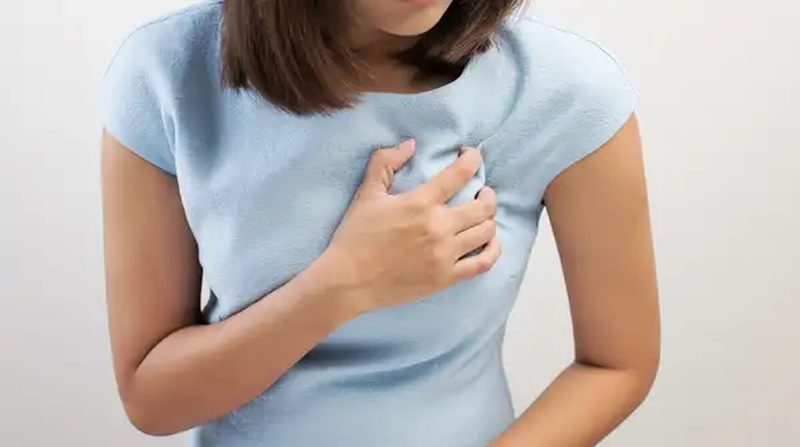
When people picture a heart attack, they see a man clutching his chest. That image kills women. Female heart attacks frequently arrive without dramatic chest pain, presenting instead as fatigue, nausea, breathlessness or back pain, symptoms easily mistaken for acidity, anxiety or exhaustion. Studies show women wait longer to seek help, are less likely to receive timely treatment, and have worse outcomes after heart attacks than men. In India, where women’s symptoms are additionally dismissed within families and even in clinics, the gap is wider. Knowing how women’s warning signs differ is quite literally life-saving information.
How women’s symptoms differ
Men typically experience the textbook pattern: sudden, crushing central chest pain or pressure, often radiating down the left arm, with cold sweats. Women can have this too, but more often their symptoms are subtler and more scattered. Common female presentations include unusual fatigue lasting days, shortness of breath with minimal exertion, nausea or vomiting, light-headedness, pain in the jaw, neck, back or upper abdomen, and a sense of dread or anxiety. Chest discomfort, when present, may feel like tightness, squeezing or fullness rather than sharp pain. These differences are partly biological: women are more prone to microvascular disease and plaque erosion rather than the large-vessel blockages typical in men, producing different symptom patterns.
Why women’s heart attacks are missed
The miss happens at every level. Women themselves often attribute symptoms to acidity, gallbladder trouble, stress or menopause, and delay seeking care by hours. Families may discourage making a fuss. In clinics, atypical symptoms in women are more likely to be labelled anxiety or gastric trouble, and women receive fewer timely ECGs and angiographies than men with similar presentations. Diagnostic tests themselves were historically calibrated on male physiology. Add that Indian women often prioritise family health over their own and present late, and the outcome gap becomes structural, not just medical. Awareness campaigns still overwhelmingly show male faces, reinforcing the fatal misconception that heart disease is a man’s problem.
Risk factors that hit women harder
Several risks weigh more heavily on women. Diabetes and smoking erase much of women’s natural premenopausal protection and raise heart risk more steeply than in men. High blood pressure during pregnancy, preeclampsia, gestational diabetes and preterm delivery are early warnings of future cardiovascular disease, yet few women are told this. Autoimmune conditions like lupus and rheumatoid arthritis, more common in women, raise risk. Menopause itself removes oestrogen’s protective effect, after which women’s heart risk climbs sharply. Chronic stress, depression and the double burden of paid work plus caregiving add their share. Polycystic ovary syndrome is linked with metabolic risks that extend to the heart. A woman’s cardiac risk story is written across her reproductive life, and doctors should read it.
What to do when symptoms strike
Time is heart muscle: every minute of delay kills more of it.
- Call emergency services immediately: in India, dial 112; do not drive yourself.
- Chew aspirin: a 325 mg aspirin chewed (if not allergic) helps while waiting, unless told otherwise.
- Do not wait and watch: if symptoms are new, unusual and persistent beyond a few minutes, treat them as cardiac until proven otherwise.
- Insist on an ECG: women with atypical symptoms should ask explicitly; it is quick and non-invasive.
- Note the time: when symptoms started guides treatment choices at the hospital.
It is always better to be embarrassed by a false alarm than to be right too late.
Prevention tuned for women
The fundamentals match men’s, with female-specific emphasis. Know your numbers: blood pressure, blood sugar, cholesterol and waist circumference, starting in your thirties. Women with pregnancy complications should have cardiovascular follow-up, not just obstetric closure. Strength training matters enormously for women, protecting bone and metabolism. Do not smoke, and treat diabetes aggressively. Take chest symptoms seriously at any age, and ensure the women in your family get the same urgency a man would receive. Perhaps most importantly, retire the belief that heart disease is male: cardiovascular disease is the leading killer of Indian women too.
FAQs
Can young women have heart attacks? Yes. Though risk rises after menopause, smoking, diabetes, drug use and spontaneous coronary artery dissection cause heart attacks in younger women too.
Is acidity or heart attack? When in doubt, get an ECG. Acidity does not cause breathlessness, sweating or radiation to the jaw and arm; a heart attack can.
Do women need different tests? Standard tests work, but doctors should consider microvascular disease when angiography looks clear despite symptoms.
The female heart attack does not announce itself the way textbooks describe, but it is no less deadly for its subtlety. Fatigue, breathlessness, nausea, jaw or back pain in a woman, especially with risk factors, deserve the same emergency response as a man’s crushing chest pain. Spread that knowledge; it saves the lives textbooks overlook.
Compiled by the Khabar 24h Editorial Desk from publicly available sources.

Khabar 24h Editorial Desk — our explainers are prepared by the Khabar 24h editorial team using AI-assisted research tools, and every piece is reviewed by a human editor before publishing. We do not claim original reporting: our work is turning complex topics into simple, accurate summaries. Spotted an error? Write to contact@khabar24h.com — our corrections policy aims for same-day review.
More from this author →