Vaccination Schedule for Indian Children: The Full Chart From Birth to Teens
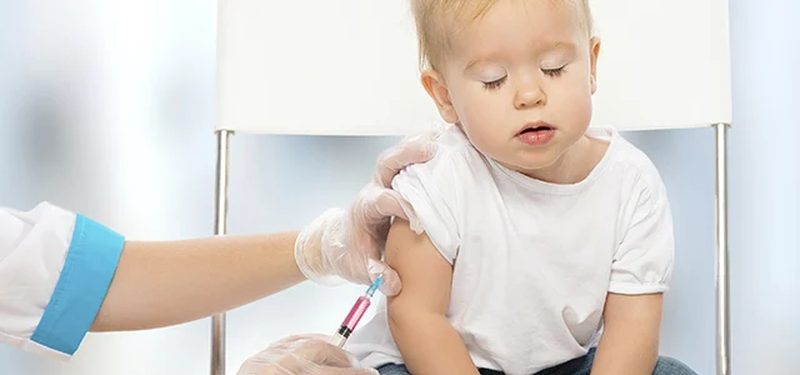
Vaccines are among humanity’s greatest achievements, and India’s Universal Immunization Programme delivers most of them free to every child. Yet missed doses remain common: families migrate, cards get lost, minor illnesses prompt postponement, and misinformation about side effects spreads faster than facts. The result is entirely preventable suffering, measles outbreaks, whooping cough hospitalisations, hepatitis infections that could have been a shot in infancy. This guide lays out India’s full vaccination schedule from birth to teens, explains what each vaccine prevents, and helps parents stay on track.
Birth to 6 weeks: the first shield
Protection starts at birth. The BCG vaccine, given at birth or soon after, guards against severe childhood tuberculosis including TB meningitis. The birth dose of oral polio vaccine begins polio protection, and the hepatitis B birth dose, given within 24 hours, is critical for preventing chronic liver infection, especially for babies of hepatitis-positive mothers. At 6 weeks, the first major round arrives: pentavalent vaccine (diphtheria, pertussis, tetanus, hepatitis B and Hib, which causes meningitis and pneumonia), the second polio dose (oral plus injectable IPV in the current schedule), rotavirus vaccine against severe infant diarrhoea, and PCV (pneumococcal conjugate vaccine) against pneumonia and meningitis. Mild fever or fussiness afterward is normal and manageable with paracetamol as advised.
10 weeks to 9 months: building immunity
At 10 and 14 weeks, the pentavalent, polio, rotavirus and PCV doses repeat, each round strengthening immunity; completing the series matters more than perfect timing, but delays should be minimised. At 6 months, some schedules add vitamin A supplementation alongside. At 9 months comes a milestone: the first measles-rubella (MR) dose, plus Japanese encephalitis vaccine in endemic districts, and vitamin A. Measles kills by erasing immune memory and causing pneumonia and brain inflammation; the vaccine is spectacularly effective. Parents should know that mild rashes or fever a week after the MR shot are common and harmless, and that the oft-repeated autism link has been thoroughly debunked by massive studies.
16 months to 5 years: boosters and school entry
At 16 to 24 months, boosters consolidate protection: DPT booster (diphtheria, pertussis, tetanus), the second MR dose, oral polio booster and a PCV booster where scheduled. At 5 to 6 years, the DPT second booster prepares the child for school, where exposure multiplies. This is also the age to verify the immunisation card is complete before admission, since schools increasingly ask. Any missed doses can and should be caught up; it is never too late to complete the series, and health workers can chart a catch-up plan. Vitamin A doses continue periodically through early childhood under the national programme.
10 to 16 years: the teen doses
At 10 years, the tetanus and adult diphtheria (Td) vaccine is due, and again at 16, maintaining protection into adulthood; every injury with a dirty wound after this still needs assessment, but routine boosters cover most. The HPV vaccine, now indigenously made and affordable, is recommended for girls (and increasingly boys) from age 9, ideally before adolescence, protecting against cervical and other HPV cancers. Typhoid conjugate vaccine, given from 6 months with a booster strategy per local guidance, matters greatly in India. Annual influenza vaccination is advised for children with asthma or other chronic conditions. Teen years are also the moment to check that childhood series are complete before the protection of herd immunity is needed less and individual immunity more.
Keeping track and handling worries
Practical adherence beats perfect knowledge.
- Guard the card: the immunisation card is a health passport; photograph it as backup.
- Use reminders: phone alarms, ASHA worker visits or government SMS systems prevent missed dates.
- Mild illness is no bar: a runny nose or low fever does not require postponing vaccines.
- Know normal reactions: sore arm, mild fever and fussiness for a day or two are expected; high persistent fever or unusual reactions need a doctor.
- Trust the science: vaccines undergo larger safety trials than almost any other medicine; the diseases are far more dangerous than the shots.
FAQs
Are private-clinic extra vaccines necessary? The government schedule covers the essentials; additional vaccines like chickenpox, hepatitis A or flu are worth discussing with your paediatrician based on risk and affordability.
Can vaccines overload the immune system? No. Children encounter thousands of antigens daily; vaccines add a tiny, controlled fraction that the immune system handles easily.
What if we missed several doses? See your doctor or health worker for a catch-up schedule; most series can be completed late without restarting.
India’s vaccination programme puts world-class protection within every family’s reach, free of charge. Birth doses, the 6-10-14 week rounds, measles at 9 months, boosters through childhood, teen doses: follow the chart, keep the card, and your child carries an invisible shield into a world still full of preventable disease.
Compiled by the Khabar 24h Editorial Desk from publicly available sources.

Khabar 24h Editorial Desk — our explainers are prepared by the Khabar 24h editorial team using AI-assisted research tools, and every piece is reviewed by a human editor before publishing. We do not claim original reporting: our work is turning complex topics into simple, accurate summaries. Spotted an error? Write to contact@khabar24h.com — our corrections policy aims for same-day review.
More from this author →