Protein in Indian Diets: How Much You Really Need and 20 Affordable Vegetarian Sources
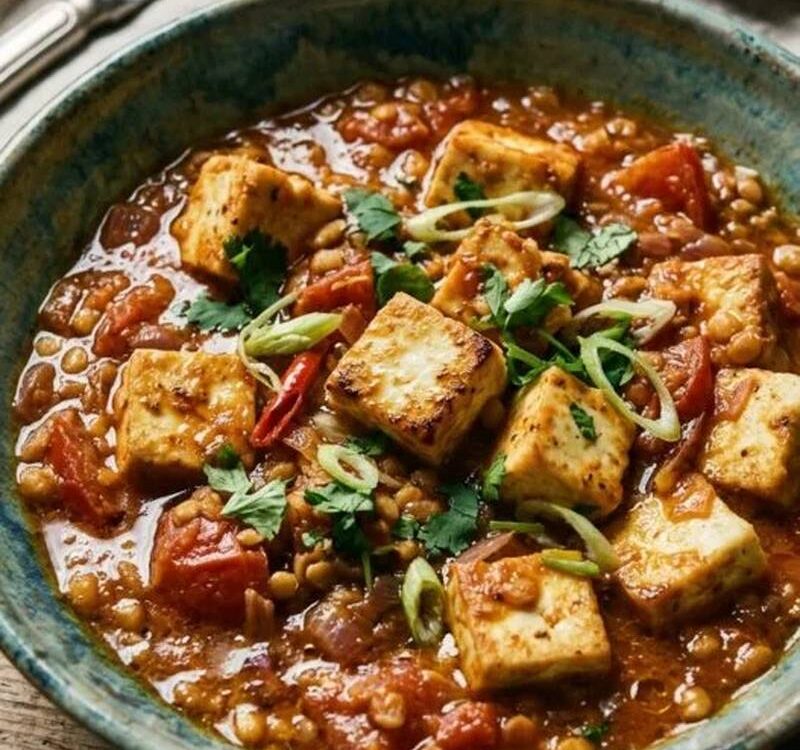
Protein has quietly become the most talked-about nutrient in India, and for good reason. National nutrition surveys have repeatedly found that a large share of Indians, especially vegetarians, eat far less protein than their bodies need. The Indian Council of Medical Research recommends about 0.83 grams of protein per kilogram of body weight daily, roughly 45 to 55 grams for most adults. Yet typical diets built around rice, wheat and potatoes often deliver barely half of that, showing up as fatigue, hair fall and slow recovery from illness. Fixing the gap needs no expensive supplements or meat; everyday Indian kitchens already hold the answer.
How much protein do you really need?
The 0.83 grams per kilogram figure is the minimum to stay healthy, not the optimum for everyone. An adult weighing 60 kilograms needs around 50 grams a day at rest. Pregnant and breastfeeding women need roughly an extra 10 to 25 grams daily, and older adults benefit from 1 to 1.2 grams per kilogram since ageing muscles use protein less efficiently. People who exercise, do physical labour or are recovering from illness may need 1.2 to 1.6 grams per kilogram. Rather than counting grams at every meal, include a clear protein source at breakfast, lunch and dinner; spreading intake helps the body use it better.
Why Indian diets usually fall short
The traditional thali is cereal-heavy, with large servings of rice or rotis and small portions of dal. Many families treat dal as a thin accompaniment, and snacking revolves around biscuits and namkeen that add calories without protein. Milk often arrives as heavily diluted chai rather than a real serving. Finally, many believe protein means eggs, chicken or costly powders, which discourages vegetarians from trying. Small swaps, thicker dals, a handful of peanuts, an extra katori of curd, add up quickly.
20 affordable vegetarian protein sources
All values below are approximate protein content per 100 grams of the food as commonly eaten, and every item is widely available and inexpensive in Indian markets.
- Soybeans (about 36 g): the richest plant protein; use as chaap, granules or flour mixed into atta.
- Soya chunks (about 52 g dry): the cheapest protein per rupee; cook like any sabzi.
- Peanuts (about 26 g): a handful gives 7 to 8 grams; roast for a filling snack.
- Kala chana (about 19 g): sprouted black chickpeas make a classic protein breakfast.
- Kabuli chana (about 19 g): a bowl of chhole gives protein plus fibre.
- Rajma (about 24 g dry): pairs with rice for a complete amino acid profile.
- Masoor dal (about 24 g dry): cooks fast and is among the cheapest dals.
- Moong dal (about 24 g dry): light and easy to digest; ideal for khichdi or cheela.
- Toor dal (about 22 g dry): the backbone of sambar and everyday dal tadka.
- Urad dal (about 25 g dry): powers idli, dosa and dal makhani.
- Moth beans (about 23 g dry): sprouted matki is a Maharashtrian staple.
- Paneer (about 18 g): 50 grams in a sabzi adds roughly 9 grams.
- Milk (about 3.4 g per 100 ml): two glasses a day give nearly 17 grams.
- Curd (about 3 to 5 g per 100 g): a katori with lunch is effortless.
- Sattu (about 22 g): roasted gram flour sharbat is a traditional protein drink.
- Sesame seeds (about 18 g): til chutney adds protein plus calcium.
- Almonds (about 21 g): a small handful gives 6 grams plus healthy fats.
- Oats (about 13 g): porridge or oats cheela beats biscuits for breakfast.
- Quinoa (about 14 g dry): pricier, but a complete protein.
- Green peas (about 5 g): modest alone, but a cup across the week adds up.
How to spread protein through the day
The body uses protein best in regular doses rather than one heavy dinner. Start with moong dal cheela, sprouted chana, sattu sharbat or curd with oats. At lunch, make dal the hero instead of a side, add a katori of curd, and try mixing soy flour into atta. Evening snacks are the biggest opportunity: roasted peanuts, chana chaat or milk instead of biscuits. Dinner can repeat the pattern with rajma, chhole, paneer or thick masoor dal. Traditional pairings like rice with dal work well because cereals plus pulses balance amino acids.
Do you need a protein supplement?
For most people, no. Supplements suit athletes training intensively, people who cannot eat enough, or patients recovering under supervision. Powders are convenient but expensive, quality varies in a poorly regulated market, and whole foods bring fibre and minerals powders lack. If you use one, check for third-party testing and treat it as a top-up, not a foundation. Children, pregnant women and people with kidney disease should use supplements only on a doctor’s advice.
FAQs
Can vegetarians get complete protein without meat or eggs? Yes. Combining cereals with pulses across the day, plus dairy or soy, provides all essential amino acids; soybeans and quinoa are complete on their own.
Is too much protein harmful? Very high intakes can burden already-damaged kidneys and displace other nutrients; for healthy adults, up to about 2 grams per kilogram is generally considered safe.
Does cooking destroy protein in dals? No. Heat unfolds protein but the amino acids remain intact and become easier to digest; pressure cooking actually improves digestibility.
Protein deficiency in India is less about availability and more about awareness. A thicker dal, a handful of peanuts, a katori of curd: small, consistent choices turn an ordinary Indian diet into a protein-adequate one, protecting muscle, immunity and energy for decades.
Compiled by the Khabar 24h Editorial Desk from publicly available sources.

Khabar 24h Editorial Desk — our explainers are prepared by the Khabar 24h editorial team using AI-assisted research tools, and every piece is reviewed by a human editor before publishing. We do not claim original reporting: our work is turning complex topics into simple, accurate summaries. Spotted an error? Write to contact@khabar24h.com — our corrections policy aims for same-day review.
More from this author →