Prenatal Checkups in India: Essential Tests in Each Trimester
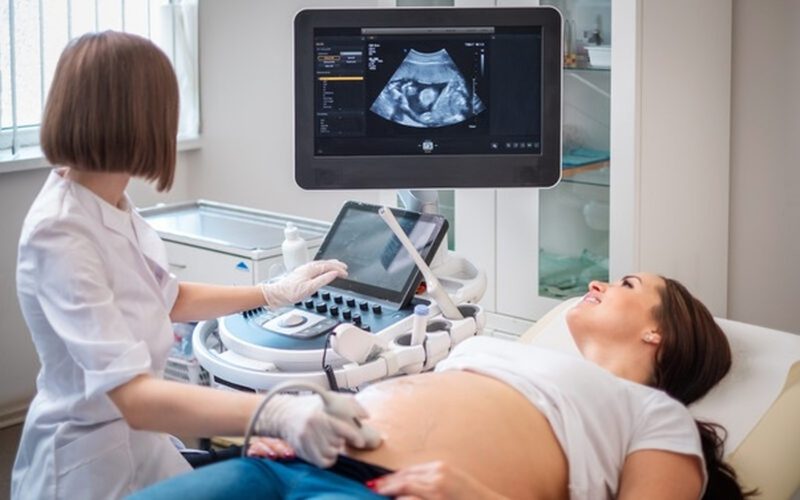
Pregnancy is nine months of rapid construction, and like any complex project, it needs scheduled inspections. Prenatal checkups, timed to each trimester, catch problems while they are still fixable: anaemia before it weakens labour, high blood pressure before it becomes preeclampsia, growth issues before they become emergencies. India’s maternal health programmes now offer most essential antenatal care free, yet many women, especially in rural areas, still get too few visits or get them too late. Knowing which tests matter in each trimester empowers every mother to demand the care she deserves.
First trimester: confirming and baselining (weeks 1-12)
The first visit, ideally before 12 weeks, establishes the foundation. An ultrasound confirms the pregnancy, dates it accurately, checks the baby’s location (ruling out ectopic pregnancy) and counts foetuses. Blood tests cover haemoglobin (anaemia is endemic), blood group and Rh status, HIV, hepatitis B and syphilis screening, thyroid function, blood sugar and rubella immunity. Urine tests check protein and sugar. Blood pressure and weight baselines are recorded. Folic acid supplementation, ideally started before conception, continues through week 12 to prevent neural tube defects. This visit also screens for risk factors: age over 35, prior caesareans, chronic disease, or previous pregnancy losses shape the plan ahead. Dating the pregnancy correctly now makes every later growth assessment meaningful.
Second trimester: anatomy and anomaly screening (weeks 13-27)
The middle months bring the detailed checks. The anomaly or TIFFA scan around 18 to 22 weeks examines the baby’s brain, heart, spine, kidneys and limbs for structural problems; it is the single most informative scan of pregnancy. Down syndrome screening happens via the dual marker (11-13 weeks) or quadruple marker (15-20 weeks) blood tests, often combined with nuchal translucency ultrasound. The glucose challenge test for gestational diabetes is done around 24 to 28 weeks. Anaemia is rechecked and iron-calcium supplementation continues. Blood pressure monitoring intensifies, watching for preeclampsia. Foetal growth tracking begins. This is also when mothers usually feel movement, and any reduction later in pregnancy must be reported promptly.
Third trimester: growth and delivery planning (weeks 28-40)
Visits become fortnightly, then weekly. Growth scans assess the baby’s size, amniotic fluid and placental position; a low-lying placenta or poor growth changes delivery planning. Non-stress tests or biophysical profiles monitor high-risk babies. Group B streptococcus screening, haemoglobin, and urine protein checks repeat. Blood pressure vigilance peaks, since preeclampsia often declares itself now. The doctor confirms the baby’s position, estimates weight, discusses birth planning, place of delivery, transport, blood donors if needed, and signs of labour. Tetanus immunisation is completed per schedule. Anaemia correction becomes urgent: entering labour anaemic raises transfusion risk. By 36 weeks, the plan for normal or caesarean delivery should be explicit.
Tests through all trimesters
Some surveillance never pauses.
- Blood pressure and urine protein: every visit, the preeclampsia watch.
- Weight tracking: steady gain within recommended ranges; sudden jumps warn of fluid retention.
- Haemoglobin: each trimester, with iron-folic acid tablets throughout.
- Foetal heart and movement: checked at visits; mothers count kicks daily after 28 weeks.
- Blood sugar: rechecked if risk factors evolve.
- Thyroid: monitored in known cases, as needs rise in pregnancy.
Making the most of antenatal care
Four or more quality visits are the minimum; eight contacts are now recommended. Carry your records to every visit, public or private, since fragmented care misses trends. Ask questions: what is my haemoglobin, my blood pressure, my baby’s growth? Report warning signs immediately: severe headache, visual disturbances, swelling of face and hands, reduced foetal movement, bleeding, fluid leakage or regular contractions before term. Government programmes provide free checkups, tests, iron tablets, transport and delivery under Janani Suraksha and related schemes; ASHA workers can guide rural mothers. A prepared mother with a birth plan is the safest mother.
FAQs
Are ultrasounds safe for the baby? Yes. Decades of use show no harm from diagnostic ultrasound; the anomaly scan’s benefits far outweigh any theoretical concern.
Can I skip tests if I feel fine? No. Preeclampsia, anaemia and growth problems are silent until advanced; testing exists precisely because feeling fine is unreliable.
How many scans are needed? Usually two to three: dating, anomaly, and growth; more only if indicated, not routinely.
Prenatal checkups are pregnancy’s early-warning system, and in India they are increasingly free and available. Three trimesters, three sets of essential tests, one continuous watch: that rhythm is what turns nine uncertain months into a safe arrival.
Compiled by the Khabar 24h Editorial Desk from publicly available sources.

Khabar 24h Editorial Desk — our explainers are prepared by the Khabar 24h editorial team using AI-assisted research tools, and every piece is reviewed by a human editor before publishing. We do not claim original reporting: our work is turning complex topics into simple, accurate summaries. Spotted an error? Write to contact@khabar24h.com — our corrections policy aims for same-day review.
More from this author →