Pregnancy Vaccines: Which Are Safe And Which To Avoid
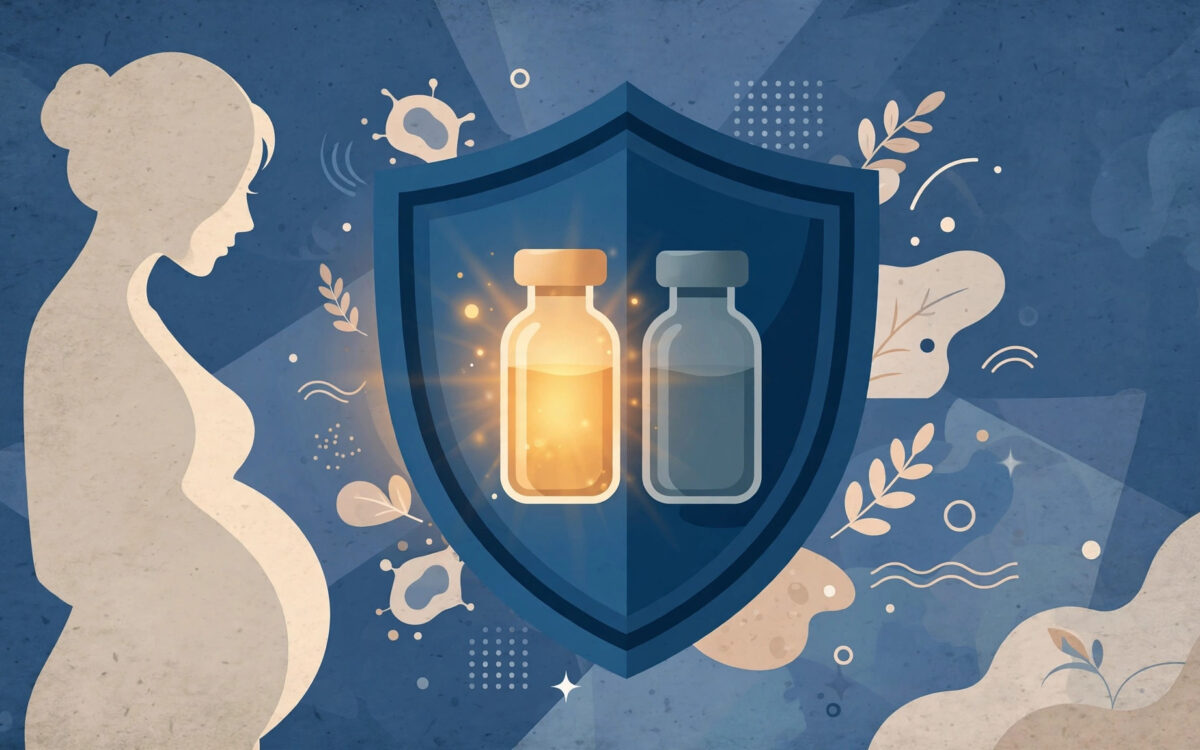
Vaccination during pregnancy protects two people at once: the mother and the newborn. But not every vaccine is considered safe for expectant mothers, and doctors advise a clear-eyed look at which shots are recommended and which should wait until after delivery.
Health experts generally divide vaccines into three groups for pregnancy: those routinely recommended, those given only in special situations, and those that should be avoided.
Vaccines usually recommended
The flu shot is one of the most widely recommended vaccines during pregnancy. Pregnant women face a higher risk of severe illness from influenza, and vaccination also passes protective antibodies to the baby, shielding the newborn during the first months of life when it cannot be vaccinated itself.
The Tdap vaccine, which protects against tetanus, diphtheria, and pertussis, is also routinely advised during each pregnancy, ideally in the third trimester. Pertussis, or whooping cough, can be dangerous for newborns, and maternal vaccination is the most effective way to protect them before they can be immunised themselves.
Vaccines to avoid during pregnancy
Live vaccines are generally avoided during pregnancy because they contain weakened forms of the virus. These include the MMR vaccine for measles, mumps, and rubella, and the chickenpox vaccine.
The HPV vaccine is also usually deferred until after delivery, not because of proven harm but because safety data during pregnancy is limited. Women who are planning a pregnancy are often advised to complete these vaccinations beforehand so that protection is already in place.
Talk to your doctor first
Some vaccines, such as those for hepatitis, typhoid, or yellow fever, may be given during pregnancy only when the risk of exposure is high, for instance before essential travel to an affected region. These decisions are made case by case, weighing the risk of the disease against the vaccine.
Every pregnancy is different, and medical guidance can change with new evidence. Expectant mothers should discuss their vaccination history and plans with their doctor rather than deciding on their own.
Related stories
View all →
Single-Dose In Vivo CAR-T Shows 90% Response in Myeloma Trial
An experimental cancer therapy that turns a patient’s own cells into treatment inside the body has shown a 90% response rate in…

Punjab Drug Crisis Takes Centre Stage Ahead of 2027 Polls
Punjab's drug crisis dominates debate ahead of the 2027 polls, with the BJP, SAD, AAP and Congress all making it a key…

West Bengal Orders FIRs Over Missing Covid Equipment
West Bengal has ordered FIRs after medical equipment bought during the Covid-19 pandemic was found missing at 64 health centres across the…

Khabar 24h Editorial Desk — our explainers are prepared by the Khabar 24h editorial team using AI-assisted research tools, and every piece is reviewed by a human editor before publishing. We do not claim original reporting: our work is turning complex topics into simple, accurate summaries. Spotted an error? Write to contact@khabar24h.com — our corrections policy aims for same-day review.
More from this author →
Leave a Reply