PCOS Diet: What to Eat and What to Avoid With Polycystic Ovary Syndrome
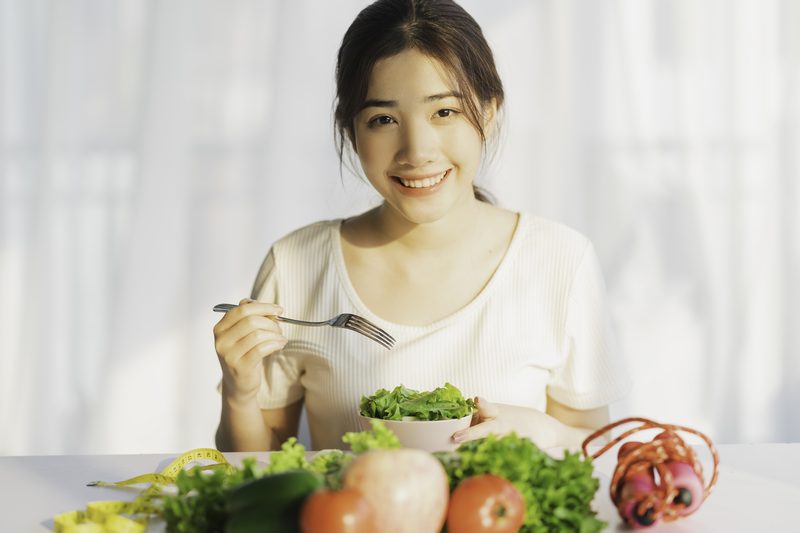
Search for a PCOS diet online and you will drown in contradictions: keto, gluten-free, dairy-free, each claiming to be the answer. The truth, backed by endocrinology guidelines, is less dramatic but more useful. No single diet cures PCOS; what works is an eating pattern that improves insulin resistance, supports healthy weight and steadies hormones, sustained for years. For Indian women, that means adapting familiar foods, not importing foreign meal plans. This guide explains the principles, the foods to favour, the ones to limit, and how to build a practical PCOS-friendly plate from the Indian kitchen.
The core principle: tame insulin resistance
Most PCOS management through diet works via one mechanism: reducing the insulin spikes that drive excess androgen production. When meals are heavy in refined carbohydrates, blood sugar surges, insulin follows, and the ovaries respond by making more testosterone. Blunting those surges, through fibre, protein, healthy fats and sensible portions, calms the hormonal cascade. This is why the PCOS diet conversation is really a blood-sugar conversation. Weight loss of even 5 per cent amplifies the benefit enormously, but dietary quality helps even without weight loss. Crash diets backfire by slowing metabolism and triggering rebound eating; the goal is a pattern livable for decades.
What to eat: the PCOS-friendly plate
Build meals around these pillars.
- High-fibre whole grains: millets (ragi, jowar, bajra), brown rice, oats and whole wheat in moderate portions.
- Protein at every meal: dals, rajma, chana, paneer, curd, eggs, fish or chicken; aim for a palm-sized portion.
- Abundant vegetables: half the plate from sabzi and salad; greens, crucifers and colourful vegetables.
- Healthy fats: nuts, seeds (flax, sesame, pumpkin), and mustard or groundnut oil in measured amounts.
- Low-glycaemic fruits: guava, papaya, berries, apples and pears over juices and very sweet fruits.
- Fermented foods: curd and buttermilk for gut health, which emerging research links to metabolism.
- Speakers of tradition: methi seeds, cinnamon and haldi have modest supportive evidence as adjuncts.
A sample day: vegetable oats or moong cheela for breakfast, millet roti with thick dal and sabzi for lunch, nuts and fruit for snacks, and an early light dinner of soup, salad and protein.
What to limit or avoid
Restriction should be strategic, not punishing. Sugary drinks are the first to go: cola, packaged juices and sweetened cold coffees spike insulin violently. Sweets, pastries and bakery items combine sugar with refined flour and trans fats, the worst trio. White rice in large portions, maida-based snacks and deep-fried foods should shrink to occasional roles. Highly processed packaged foods, with their hidden sugars and sodium, deserve label scrutiny. Alcohol adds empty calories and disrupts hormones. None of these needs absolute banishment; the pattern across weeks matters more than any single meal. The 80-20 approach, disciplined most days with room for festivals and cravings, sustains where perfection fails.
Do you need to quit dairy or gluten?
Probably not. The dairy-free PCOS trend rests on thin evidence: some women report better skin, but studies do not support blanket dairy elimination, and dairy provides protein and calcium. Those with genuine lactose intolerance should limit it regardless. Gluten avoidance is justified only in coeliac disease or proven sensitivity; whole wheat is a nutritious, affordable staple for most Indian women, and dropping it without cause complicates the diet unnecessarily. Similarly, soy is safe in normal food amounts despite phytoestrogen fears. Be sceptical of any PCOS plan whose first step is eliminating whole food groups; the evidence favours balance over bans.
Eating patterns and practical habits
Beyond food choice, timing and structure help. Regular meals prevent the blood sugar roller coaster of skipping then bingeing. An earlier, lighter dinner aligns with insulin sensitivity’s daily rhythm. Protein-rich breakfasts reduce cravings through the day. Mindful eating, slower pace, no screens, addresses the emotional eating that stress and PCOS-related mood changes encourage. Strength training twice weekly deserves mention in any diet article, since muscle is the body’s glucose sink and magnifies every dietary effort. Track cycles, weight and energy rather than obsessing over the scale alone; PCOS progress shows in regularity first.
FAQs
Will diet alone cure my PCOS? Diet powerfully controls symptoms and improves fertility odds, but PCOS usually needs combined lifestyle plus medical management for full control.
Are cheat days okay? Planned flexibility beats rigid perfection; one indulgent meal does not undo weeks of good eating, but weekly binges do.
Should I try keto for PCOS? Keto can improve insulin resistance short-term but is hard to sustain and lacks long-term safety data in PCOS; balanced low-glycaemic eating is the guideline-backed default.
The PCOS diet is not a diet at all but a return to eating sanity: whole grains, generous protein, abundant vegetables, honest fats and minimal sugar, arranged on a familiar Indian plate. Eat that way most days, move your body, sleep enough, and the hormones usually follow.
Source: NDTV Food

Khabar 24h Editorial Desk — our explainers are prepared by the Khabar 24h editorial team using AI-assisted research tools, and every piece is reviewed by a human editor before publishing. We do not claim original reporting: our work is turning complex topics into simple, accurate summaries. Spotted an error? Write to contact@khabar24h.com — our corrections policy aims for same-day review.
More from this author →