Vector control key as climate shifts mosquito disease, review says
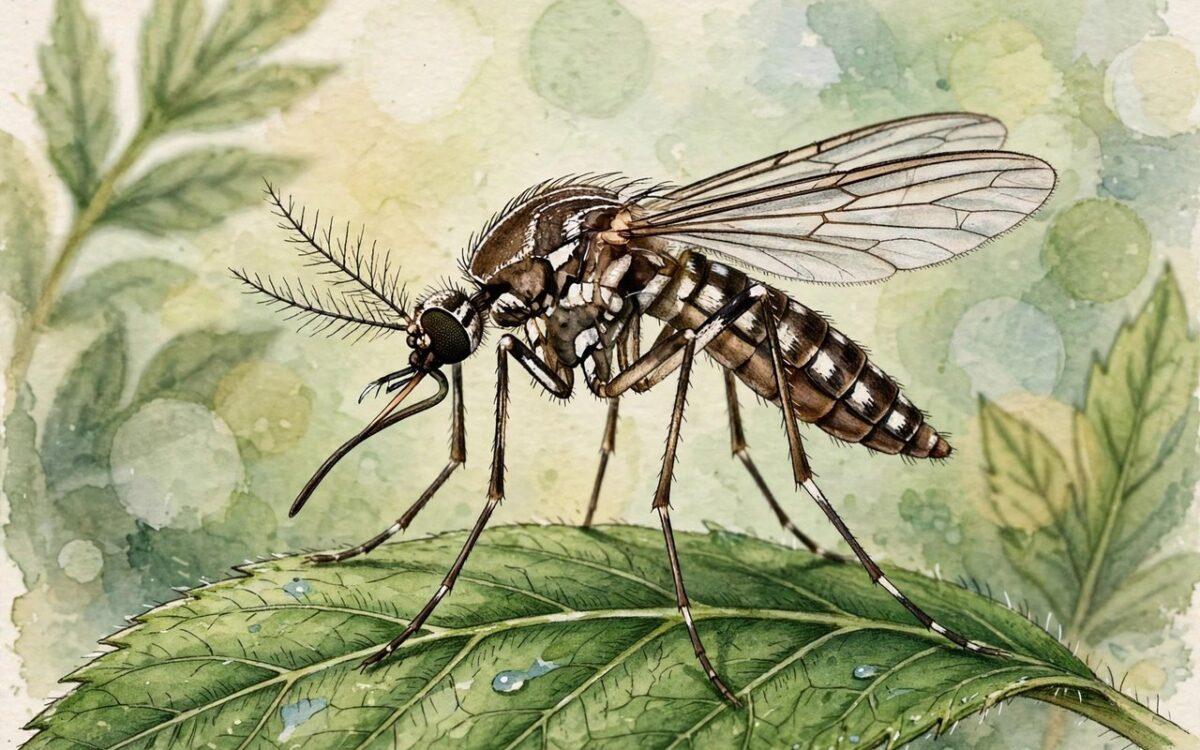
Prevention measures are critical to counter mosquito-borne diseases as the climate changes, researchers say. A new review by Monash University was published this week in Science Advances. It examines how ecological, economic and social factors shape malaria and dengue transmission. Lead researcher Dr Toby Cumming said understanding these drivers is key to effective public health responses. The world sees close to 300 million malaria cases and almost 400 million dengue infections every year. Malaria is caused by a parasite spread by female Anopheles mosquitoes. Dengue is caused by a virus spread by female Aedes mosquitoes. Over the last century, malaria rates have declined while dengue rates have risen. The review says prevention must span vector control, vaccine deployment and cuts to greenhouse gas emissions. One promising strategy uses Wolbachia bacteria in Aedes mosquitoes to cut dengue transmission. The World Mosquito Program, linked to Monash University, developed the approach. The authors warn there is no room for complacency as warming expands mosquito habitats.

Khabar 24h Editorial Desk — our explainers are prepared by the Khabar 24h editorial team using AI-assisted research tools, and every piece is reviewed by a human editor before publishing. We do not claim original reporting: our work is turning complex topics into simple, accurate summaries. Spotted an error? Write to contact@khabar24h.com — our corrections policy aims for same-day review.
More from this author →
Leave a Reply