Licorice Compound Fights Colon Cancer in Mice
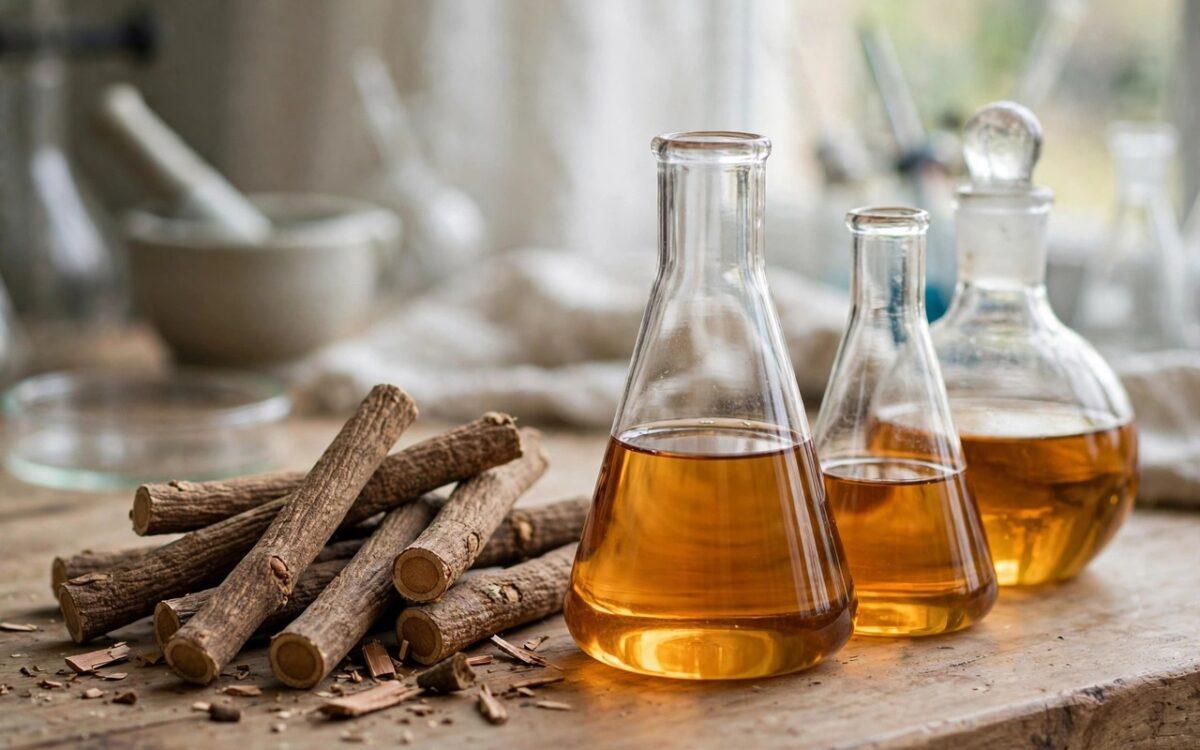
A compound derived from licorice cut colon tumour counts in mice by reshaping gut bacteria, according to a study from Southern Medical University in China published in Pharmacological Research.
The licorice flavonoid extract enriched gut bacteria that produce short-chain fatty acids. Those fatty acids then switched off IDO1, an immune-suppressing enzyme that tumours rely on. In two mouse models of colorectal cancer, the higher of two tested doses (416 mg/kg) matched a chemotherapy drug's effect.
The researchers confirmed the mechanism with fecal transplants and gene knockouts: both the bacteria and the enzyme were necessary for the effect, not just correlated with it. Earlier work has also linked licorice's isoliquiritigenin to reduced tumour incidence in mice.
This is preclinical, animal-only research. The doses used are far above dietary levels, and there is no human data yet. But it offers a window into how diet, gut microbes and immunity might one day be targeted together for cancer prevention.
Sources: biomesci.com; frontiersin.org; news-medical.net.

Khabar 24h Editorial Desk — our explainers are prepared by the Khabar 24h editorial team using AI-assisted research tools, and every piece is reviewed by a human editor before publishing. We do not claim original reporting: our work is turning complex topics into simple, accurate summaries. Spotted an error? Write to contact@khabar24h.com — our corrections policy aims for same-day review.
More from this author →
Leave a Reply