Leucine may restore energy in ageing mitochondria
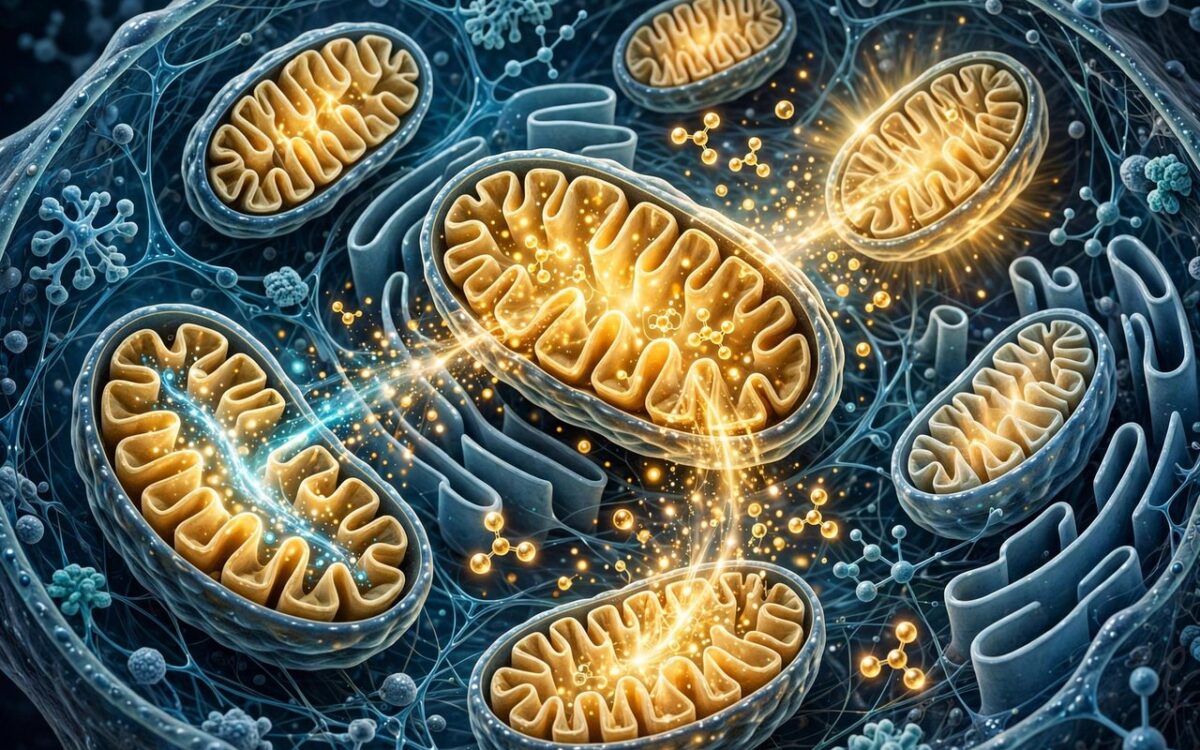
Leucine, an amino acid found in protein-rich foods, may help mitochondria produce energy more efficiently, a new study reports. The mechanism works through a cellular quality-control protein called SEL1L.Researchers led by Thorsten Hoppe at the University of Cologne found that leucine reduces SEL1L activity. SEL1L normally marks proteins on the outer surface of mitochondria for destruction, so with less SEL1L, more of these proteins stay in place and the mitochondria produce more energy.The team traced the signal to a cellular sensor called GCN2, which reads amino-acid levels and adjusts SEL1L accordingly.
The findings were published in Nature Cell Biology, with Qiaochu Li as first author.The researchers also studied roundworms and human lung cancer cells. In worms, defects in leucine breakdown disrupted mitochondrial function and caused fertility problems, while some cancer mutations altered leucine metabolism to help tumours survive.The authors warn that more energy is not always better. SEL1L also clears damaged proteins, so any future therapy would have to balance energy gains against keeping cellular cleanup working.

Khabar 24h Editorial Desk — our explainers are prepared by the Khabar 24h editorial team using AI-assisted research tools, and every piece is reviewed by a human editor before publishing. We do not claim original reporting: our work is turning complex topics into simple, accurate summaries. Spotted an error? Write to contact@khabar24h.com — our corrections policy aims for same-day review.
More from this author →
Leave a Reply