Iron Deficiency Anaemia: Symptoms, Causes, and the Best Indian Food Sources
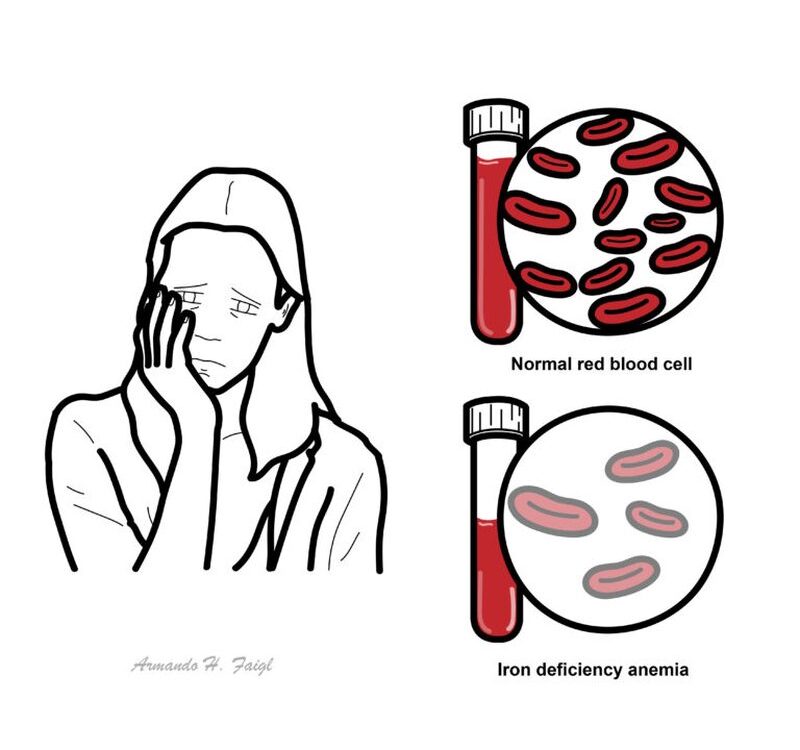
If you feel exhausted despite sleeping well, look pale, or get breathless climbing stairs, the cause may be in your blood. Iron deficiency anaemia, a condition in which the body lacks enough iron to make healthy red blood cells, is one of India’s most widespread health problems. National surveys suggest that more than half of Indian women of reproductive age and a large share of children are anaemic. Because the symptoms creep in slowly, most people blame stress, workload or age and never get tested. Yet the condition is easy to diagnose with a simple blood test and very treatable. Understanding the warning signs and the foods that correct it can change the trajectory of your energy and health.
What iron does in the body
Iron is the core of haemoglobin, the protein in red blood cells that carries oxygen from the lungs to every tissue, and it also supports immunity and brain development. When iron runs low, the body produces smaller, paler red blood cells that carry less oxygen: that is anaemia. As it deepens, muscles tire faster, the brain feels foggy, the heart works harder and resistance to infections falls. In pregnancy, anaemia raises the risk of premature birth and low birth weight, which is why it is taken so seriously in antenatal care.
Symptoms most people miss
The classic signs are persistent fatigue, weakness and pale skin, especially noticeable in the inner eyelids, gums and nail beds. But anaemia has subtler faces too. Many people report brittle nails that spoon inward, hair fall, cracks at the corners of the mouth, a sore or smooth tongue, and restless legs at night. Some develop pica, cravings for clay, chalk or raw rice, a surprisingly specific clue. Dizziness, headaches, cold hands and feet, and a rapid heartbeat on mild exertion are common as the condition worsens. Because these symptoms overlap with thyroid problems, depression and general overwork, the only way to be sure is a haemoglobin test, ideally with serum ferritin, which reveals iron stores before anaemia fully develops.
Why is it so common in India?
Several forces converge. Indian diets are largely vegetarian, and plant foods contain non-haem iron, which the body absorbs far less efficiently than the haem iron in meat. Heavy menstrual bleeding is a leading cause in women of reproductive age and often goes unreported. Frequent pregnancies spaced closely together drain iron reserves. Intestinal worms and chronic low-grade gut infections, still common in parts of the country, cause slow blood loss. Tea and coffee, drunk in large quantities and often with meals, contain tannins that sharply reduce iron absorption. Adolescent girls and young women, who need the most iron, frequently eat last and least in the household. The government’s anaemia control programme distributes iron-folic acid tablets, but supply gaps and side effects like nausea mean many stop taking them.
The best Indian food sources of iron
The strategy has two parts: eat iron-rich foods and pair them with vitamin C, which can double or triple absorption.
- Ragi (finger millet): among the best cereal sources of iron; ragi mudde, porridge or dosa are excellent vehicles.
- Bajra (pearl millet): another iron-rich millet, ideal as bhakri in winter.
- Green leafy vegetables: palak, methi, sarson and amaranth leaves are affordable iron powerhouses.
- Dates and raisins: a small daily handful adds iron plus quick energy.
- Jaggery: replacing refined sugar with gud in tea and sweets adds trace iron.
- Sesame seeds (til): particularly rich; til laddoo and chutney are traditional for a reason.
- Garden cress seeds (halim): tiny seeds with outsized iron, often made into laddoos for new mothers.
- Lentils and beans: masoor dal, chana and rajma contribute steady iron.
- Vitamin C partners: amla, lemon, guava, oranges and tomatoes eaten with the meal unlock the iron in all the above.
What blocks iron absorption?
Timing matters as much as content. Drinking chai or coffee with or immediately after meals can cut iron absorption dramatically, so shift them to at least an hour away from food. Large amounts of milk with an iron-rich meal also compete for absorption. Cooking in iron kadhais genuinely adds small amounts of iron to food, especially acidic dishes like tomato-based curries, and is a habit worth reviving. Soaking and sprouting grains and legumes reduces phytates, natural compounds that bind iron. For those prescribed iron tablets, taking them with vitamin C or orange juice, on an empty stomach if tolerated, improves uptake, while antacids and calcium supplements should be spaced apart.
When food alone is not enough
Diet can correct mild deficiency, but moderate to severe anaemia usually needs supplements or, rarely, intravenous iron under supervision. Do not self-prescribe high-dose iron indefinitely: excess iron is toxic and can mask other causes of anaemia. Women with very heavy periods should have the bleeding investigated rather than just topping up iron. Children with anaemia need paediatric dosing and deworming where indicated. A repeat haemoglobin test after two to three months of treatment shows whether the plan is working.
FAQs
How do I know if I am anaemic without a blood test? You cannot be sure. Pale inner eyelids, constant fatigue and breathlessness are hints, but only a haemoglobin and ferritin test confirms it. Testing is cheap and widely available.
Can beetroot cure anaemia? Beetroot is healthy but only moderately rich in iron; it helps as part of an iron-rich diet, not as a standalone cure.
Why do iron tablets cause constipation and nausea? Unabsorbed iron irritates the gut. Taking the tablet at night, with food if needed, drinking more water and eating fibre usually help; ask your doctor about alternate-day dosing, which recent research supports.
Iron deficiency anaemia is cheap to detect and cheap to fix. A blood test, a smarter thali and, where needed, a course of tablets can restore energy many people had forgotten they were missing.
Compiled by the Khabar 24h Editorial Desk from publicly available sources.

Khabar 24h Editorial Desk — our explainers are prepared by the Khabar 24h editorial team using AI-assisted research tools, and every piece is reviewed by a human editor before publishing. We do not claim original reporting: our work is turning complex topics into simple, accurate summaries. Spotted an error? Write to contact@khabar24h.com — our corrections policy aims for same-day review.
More from this author →