Homeopathy in India: What the Evidence Says About Its Claims
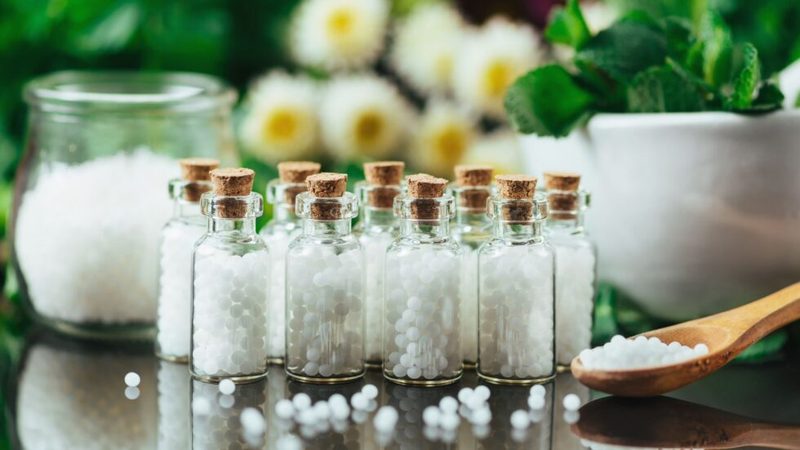
India is homeopathy’s global stronghold: hundreds of thousands of practitioners, dedicated colleges and hospitals, government recognition through the AYUSH ministry, and millions of devoted users who swear by its gentle cures. It is also, from the standpoint of chemistry and clinical evidence, the most scientifically implausible system in widespread medical use. Reconciling homeopathy’s popularity with its evidence record is one of Indian healthcare’s most delicate tasks, requiring honesty about what trials show without dismissing the experiences of millions.
What homeopathy claims
Homeopathy rests on three principles formulated by Samuel Hahnemann in the 1790s: like cures like, a substance causing symptoms in health cures them in disease; extreme dilution increases potency; and treatment is individualised to the whole symptom picture. Remedies are diluted serially, often to 30C, a dilution of one part in 10 to the 60th power, far beyond Avogadro’s number, meaning no molecule of the original substance remains. Homeopaths argue that water retains a memory of the substance; physicists and chemists find no mechanism by which it could, and no such memory has ever been demonstrated.
What the clinical trials show
This is the decisive territory. Large-scale reviews, including the Australian National Health and Medical Research Council’s comprehensive 2015 review of thousands of studies and subsequent major assessments, conclude that homeopathy is no more effective than placebo for any condition. Well-conducted trials with proper blinding consistently show null results; positive results cluster in small, low-quality studies with methodological flaws. The pattern is exactly what placebo effects produce. Individualised homeopathic consultations sometimes show benefits in trials, but these track the lengthy, empathetic consultation, a real therapeutic factor, rather than the remedies, which perform identically to placebo when tested separately.
Why so many people believe it works
Several honest mechanisms explain homeopathy’s devoted following without requiring the remedies to work pharmacologically. Many conditions are self-limiting; the cold or bout of acidity improves on its own and the remedy gets the credit. Regression to the mean brings sufferers to treatment at their worst, so improvement follows naturally. The consultation itself, often an hour of attentive listening versus a rushed five-minute allopathic visit, is genuinely therapeutic. Confirmation bias and the considerable placebo response complete the picture. None of this means patients are foolish; it means human healing is complex and context matters enormously.
The real harms
- Delayed effective treatment: the serious harm, patients with tuberculosis, cancers, severe infections or diabetic emergencies losing critical time on homeopathy.
- Direct toxicity: rare but documented, from improperly prepared remedies or products adulterated with conventional drugs, including steroids.
- Financial cost: prolonged treatment for chronic conditions without benefit.
- False security in epidemics; homeopathic preventives against dengue or COVID-19 had no evidence and may have reduced real precautions.
The remedies themselves, being essentially water or sugar pills, are among the safest placebos ever sold; the danger lies in what they replace.
A pragmatic Indian approach
Outright war on homeopathy has failed for two centuries and alienates millions. A more productive stance: respect patient autonomy and the consultation’s value while being honest about evidence; keep homeopathy strictly away from conditions where delay kills, infections, cancers, emergencies, severe psychiatric illness; regulate manufacturing quality and ban disease-cure claims in advertising; and redirect public resources toward treatments with proven benefit. Doctors should ask about homeopathic use non-judgementally, since patients hide it when mocked, and hidden use is where dangerous delays occur.
FAQs
But my homeopath cured me. How do you explain that? Individual experiences are real but cannot distinguish remedy effects from natural recovery, placebo and the consultation’s benefits; only controlled trials can, and they show no remedy effect.
Is there any condition where homeopathy is proven to work? No major review has found reliable evidence for any specific condition beyond placebo.
Can homeopathy be used alongside regular treatment? The remedies themselves rarely interact, but the risk is delaying or abandoning effective treatment; keep your doctor informed.
Homeopathy presents Indian healthcare with a paradox: a system beloved by millions and unsupported by evidence, harmless in its pills and harmful in its delays. Intellectual honesty requires stating the evidence plainly; compassion requires understanding why the plain statement is hard to hear. The way forward is not prohibition but truth in labelling, for remedies and for the claims made about them.
Compiled by the Khabar 24h Editorial Desk from publicly available sources.

Khabar 24h Editorial Desk — our explainers are prepared by the Khabar 24h editorial team using AI-assisted research tools, and every piece is reviewed by a human editor before publishing. We do not claim original reporting: our work is turning complex topics into simple, accurate summaries. Spotted an error? Write to contact@khabar24h.com — our corrections policy aims for same-day review.
More from this author →