New gene helps dangerous gut bacteria resist disinfectants
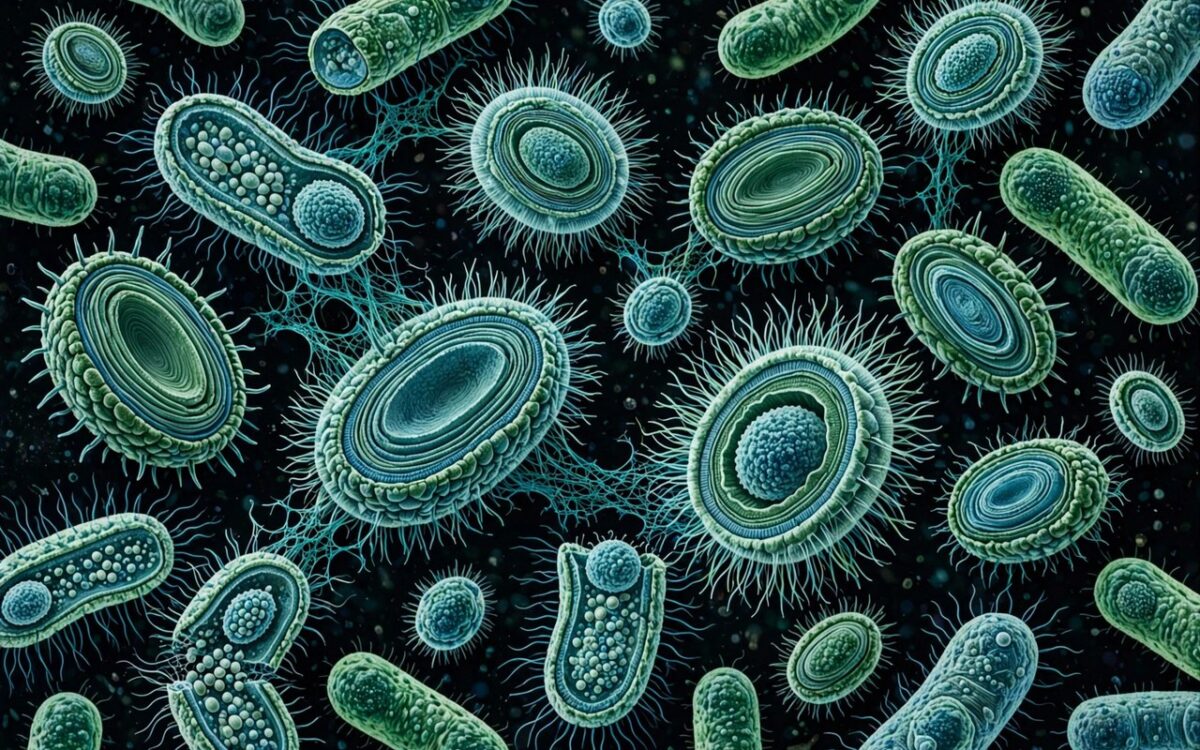
Scientists have discovered a new gene that supercharges dangerous gut bacteria, helping them survive even hospital-grade disinfectants designed to kill them.
The research from Monash University, published in Nature Communications, found that the bacterium Clostridioides difficile has picked up a gene giving its dormant spores a free pass against antibiotics and cleaning products. The spores act like plant seeds, waiting patiently to activate and spread in the right environment, such as the human gut.
This is worrying because C. difficile is commonly found in hospitals and causes diarrhoea that can be deadly for already unwell patients. It is the first research to uncover a link between antibiotic resistance and bacterial spores.
Lead researcher Professor Dena Lyras said: "Antibiotics are helping bacteria evolve in ways we hadn't anticipated." She warned the evolution could have "disastrous impacts on humans".
Antimicrobial resistance is listed by the World Health Organization as a major global health threat. The discovery matters because it reveals a new front in the race against drug-resistant infections.

Khabar 24h Editorial Desk — our explainers are prepared by the Khabar 24h editorial team using AI-assisted research tools, and every piece is reviewed by a human editor before publishing. We do not claim original reporting: our work is turning complex topics into simple, accurate summaries. Spotted an error? Write to contact@khabar24h.com — our corrections policy aims for same-day review.
More from this author →
Leave a Reply