Gut Bacteria May Worsen Brain Damage After Stroke, Study Finds
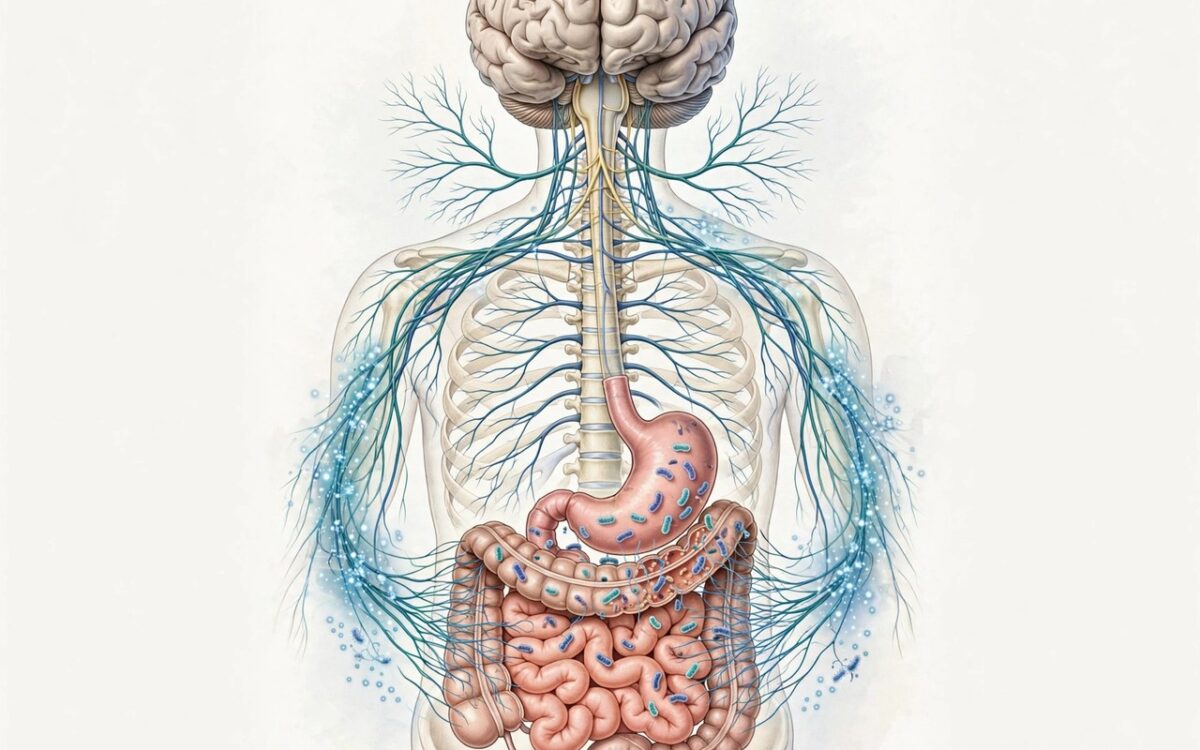
A compound produced by gut bacteria may worsen brain injury after a stroke, according to research from Ludwig Maximilian University of Munich published in the journal Cell.
The team, led by Dr Corinne Benakis, found that in mice with severe stroke, gut bacteria carrying the tnaA gene — which converts the dietary amino acid tryptophan into a compound called indole — became more abundant. The indole-producing bacteria worsened brain damage.
Indole acts on a receptor called AHR in dendritic cells, immune cells that help coordinate the body's response. When researchers switched off this receptor in mice, the animals were better protected.
The team also found signs the pathway may matter in people: in a cohort of human stroke patients, higher levels of indole-producing bacteria were linked to poorer recovery.
The work was done mainly in mice, and the researchers say more studies are needed before any medical conclusions can be drawn.

Khabar 24h Editorial Desk — our explainers are prepared by the Khabar 24h editorial team using AI-assisted research tools, and every piece is reviewed by a human editor before publishing. We do not claim original reporting: our work is turning complex topics into simple, accurate summaries. Spotted an error? Write to contact@khabar24h.com — our corrections policy aims for same-day review.
More from this author →
Leave a Reply