Gut Health Explained: Probiotics, Prebiotics and Which Indian Foods Actually Help
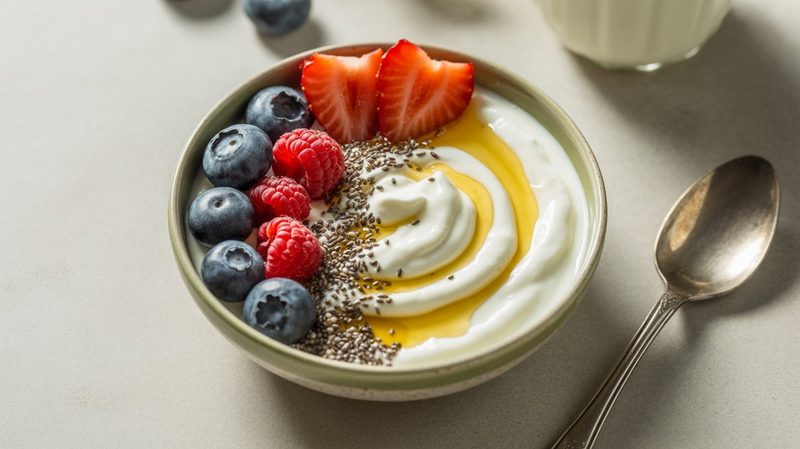
Gut health has gone from a niche concern to a national obsession, with supermarket shelves full of probiotic drinks, capsules and powders promising better digestion, immunity and even mood. The excitement is not baseless: scientists now understand that the trillions of microbes in the intestines influence digestion, immune function, vitamin production and inflammation. But the commercial noise has outrun the evidence, and many expensive products deliver little. The good news for Indian households is that the traditional diet already contains some of the most effective gut-supporting foods on earth. This guide separates what works from what is marketing, and shows which Indian foods genuinely help.
Your gut microbiome in plain language
The large intestine hosts a dense ecosystem of bacteria, fungi and other microbes, collectively the gut microbiome. A diverse, balanced microbiome helps break down fibre into short-chain fatty acids that nourish the gut lining, trains the immune system to distinguish friend from foe, manufactures vitamins like K and some B vitamins, and keeps harmful organisms in check. Diets high in fibre and fermented foods support diversity; diets heavy in ultra-processed foods, excess sugar and frequent antibiotics tend to flatten it. An imbalanced microbiome is associated with bloating, irregular bowel habits, and, in research still unfolding, conditions from obesity to depression. Association is not proof of causation, but feeding the microbiome well is one of the lowest-risk health investments available.
Probiotics: what they are and when they help
Probiotics are live beneficial bacteria consumed in food or supplements. The evidence is strongest in specific situations: certain strains shorten antibiotic-associated diarrhoea, help some cases of irritable bowel syndrome, and support recovery after gut infections. Outside these uses, the benefits of daily probiotic pills for healthy people are modest and strain-specific; a product’s claims depend entirely on which strains it contains and in what dose, details many commercial drinks obscure. Most probiotic effects are transient, the microbes pass through rather than permanently colonising. Food sources are generally preferable to pills for everyday maintenance: curd, buttermilk, lassi, idli, dosa, dhokla, kanji and traditionally fermented pickles all deliver live cultures along with nutrition, at a fraction of the cost.
Prebiotics: food for the good bacteria
If probiotics are the seeds, prebiotics are the fertiliser: fibres and compounds that feed beneficial gut bacteria. The best sources are gloriously ordinary. Onions, garlic, bananas, oats, barley, flaxseeds, apples and legumes all contain prebiotic fibres. When gut bacteria ferment these fibres, they produce butyrate and other short-chain fatty acids that strengthen the gut barrier and calm inflammation. This is why a high-fibre Indian diet, dals, vegetables, whole grains, does more for the microbiome than any capsule. People increasing fibre should do so gradually and drink enough water, since a sudden jump commonly causes gas and bloating before the microbiome adapts. Resistant starch, found in cooled cooked rice and potatoes, is another potent prebiotic, which makes yesterday’s rice scientifically interesting.
Which Indian foods actually help?
Traditional Indian foodways turn out to be a microbiome manual written over centuries.
- Curd and buttermilk: daily fermented dairy delivering lactobacillus cultures; homemade set curd beats sugary commercial drinks.
- Idli, dosa and dhokla: fermentation breaks down complex starches and adds beneficial microbes.
- Kanji and fermented rice water: traditional probiotic drinks, especially valued in summer.
- Homemade pickles: salt-fermented (not vinegar) pickles contain live cultures; eat in small quantities.
- High-fibre dals and legumes: rajma, chana and masoor feed beneficial bacteria generously.
- Bananas, onions and garlic: everyday prebiotics already in most tadkas and meals.
- Whole grains and millets: their bran is prime bacterial fuel.
What harms the gut?
The microbiome’s enemies are familiar. Frequent, unnecessary antibiotic courses devastate gut diversity; take antibiotics only when prescribed and complete the course. Ultra-processed foods, heavy in emulsifiers and low in fibre, are linked to less diverse microbiomes. Excess alcohol irritates the gut lining. Chronic stress and poor sleep alter gut function through the gut-brain axis, which is why digestive complaints often flare during stressful periods. Artificial sweeteners are under investigation for microbiome effects, with early evidence suggesting caution. None of this requires perfection; the microbiome is resilient and responds within days to dietary improvement.
FAQs
Are Yakult-type drinks worth it? They contain genuine probiotic strains and may help during or after antibiotics, but sugary daily consumption is unnecessary when curd and fermented foods do the job.
Can gut health affect mood? The gut and brain communicate constantly, and research links microbiome patterns with anxiety and depression, though probiotics are not a proven treatment for mental health conditions.
How fast does the gut respond to diet change? Microbial composition can shift within days of a fibre increase, but stable, lasting change takes weeks of consistent eating.
The path to a healthier gut runs through the Indian kitchen, not the supplement aisle. Daily curd, fermented staples, generous fibre from dals, vegetables and whole grains, and restraint with antibiotics and ultra-processed food: this unglamorous routine outperforms most products making grand promises. Your microbes have been waiting for it.
Compiled by the Khabar 24h Editorial Desk from publicly available sources.

Khabar 24h Editorial Desk — our explainers are prepared by the Khabar 24h editorial team using AI-assisted research tools, and every piece is reviewed by a human editor before publishing. We do not claim original reporting: our work is turning complex topics into simple, accurate summaries. Spotted an error? Write to contact@khabar24h.com — our corrections policy aims for same-day review.
More from this author →