Diabetes in India: the types, the warning signs, and what actually works to prevent it
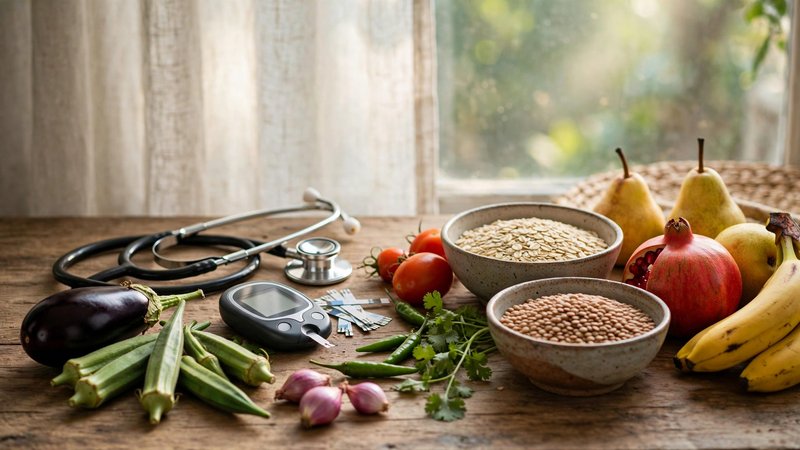
India carries one of the heaviest diabetes burdens in the world. According to the International Diabetes Federation’s Diabetes Atlas, 11th edition (2025), 89.8 million Indian adults aged 20 to 79 were living with diabetes in 2024 — second only to China. The age-standardised prevalence stands at 10.5 per cent and is projected to reach 12.8 per cent by 2050, when the number of Indians with diabetes could touch 156.7 million. In 2024 alone, India recorded over 334,000 diabetes-related deaths — deaths the IDF describes as largely preventable with timely diagnosis and care.
Doctors are also seeing the disease arrive earlier, with type 2 diabetes increasingly diagnosed in adults under 40. The encouraging news is that much of this is within our power to change. Here is what diabetes actually is, the signs worth knowing, and what genuinely helps prevent it.
The main types, in plain language
Diabetes is a condition in which blood sugar stays too high because the body cannot make or properly use insulin, the hormone that regulates glucose. It comes in several forms. In type 1 diabetes, the immune system attacks the insulin-producing cells of the pancreas; people with type 1 need daily insulin, its cause is unknown, and it cannot currently be prevented. Type 2 diabetes — by far the most common — develops when the body resists insulin or fails to make enough of it; it is strongly linked to excess weight, physical inactivity and family history, and it is often preventable. Gestational diabetes appears during pregnancy and usually resolves afterwards, though it raises the mother’s later risk. Between health and diabetes sits prediabetes — impaired glucose tolerance or impaired fasting glucose — a warning stage at which progression can often still be slowed or stopped.
The warning signs worth knowing
Many people have no symptoms in the early stages, which is why screening matters. When symptoms do appear, they commonly include frequent urination, unusual thirst, increased hunger despite eating, unexplained weight loss, constant fatigue, blurred vision, cuts or sores that heal slowly, frequent infections, and tingling or numbness in the hands and feet. Any of these persisting over weeks is a reason to see a doctor — not to self-diagnose, but to get a simple blood test that settles the question.
What actually helps prevent type 2
No single food or supplement prevents diabetes, but the evidence for a handful of habits is strong — large trials have shown that sustained lifestyle change can cut the risk of progressing from prediabetes to diabetes by more than half. Because type 2 often develops silently over years, adults with risk factors such as excess weight, a family history of diabetes or high blood pressure should discuss screening with a doctor rather than waiting for symptoms.
- Keep a healthy weight: even modest, sustained weight loss meaningfully lowers risk.
- Move regularly: brisk walking or equivalent activity for at least 150 minutes a week.
- Eat for steadiness: whole grains, vegetables, lentils and fruit over sugary drinks and ultra-processed snacks.
- Avoid tobacco and limit alcohol, both of which worsen metabolic risk.
- Sleep enough and manage stress — chronic short sleep and stress disrupt blood sugar control.
- Get screened: a periodic blood sugar test, especially with a family history of diabetes, catches the disease years before complications begin.
Uncontrolled diabetes damages the body quietly — raising the risk of heart disease, stroke, kidney failure, vision loss and nerve damage. But with early detection, medication when needed, and steady lifestyle habits, most of that damage is avoidable. India’s per-person spending on diabetes care remains strikingly low at about USD 109.50 a year, according to the IDF, which makes prevention not just a health priority but an economic one.
This article is general information only, not medical advice for any individual. If you have symptoms or risk factors, consult a doctor for testing and guidance suited to you.
Source: Medical Dialogues

Khabar 24h Editorial Desk — our explainers are prepared by the Khabar 24h editorial team using AI-assisted research tools, and every piece is reviewed by a human editor before publishing. We do not claim original reporting: our work is turning complex topics into simple, accurate summaries. Spotted an error? Write to contact@khabar24h.com — our corrections policy aims for same-day review.
More from this author →
Leave a Reply