Detox Diets and Juice Cleanses: Do They Actually Remove Toxins?
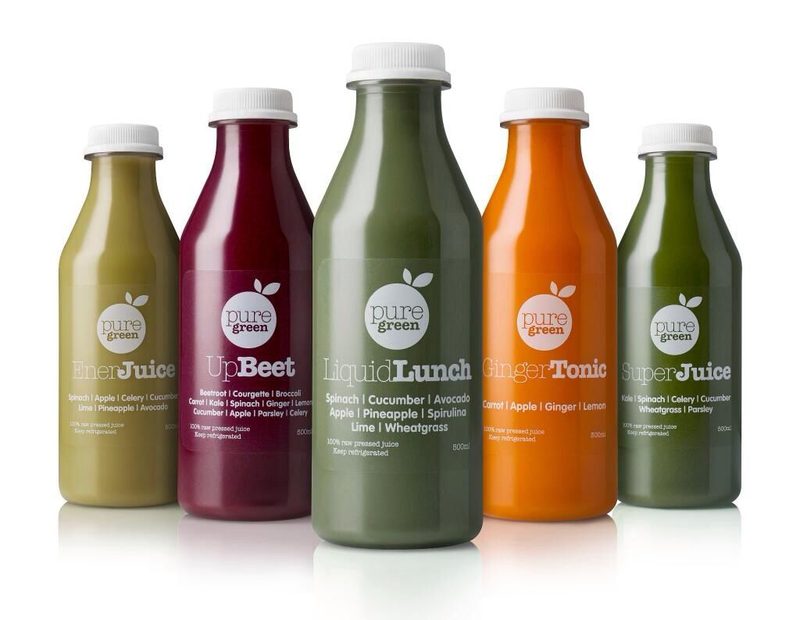
Every January, and increasingly every festival season, India embraces the cleanse: three days of green juices, a week of detox teas, a month of cayenne-and-lemon regimes promising to flush toxins, reset the gut and melt kilos. The detox industry, juices, teas, foot pads, kits, is worth billions globally, built on a seductive narrative that modern life fills the body with poisons requiring periodic purging. It is a compelling story. It is also, according to physiology and the clinical evidence, almost entirely fiction.
Your body already detoxifies itself
The premise of detox products is that the body accumulates toxins it cannot clear alone. In reality, the liver, kidneys, lungs, skin and gut run a continuous, sophisticated detoxification operation: the liver chemically transforms harmful substances for excretion, the kidneys filter blood relentlessly, and the gut expels waste daily. This system handles alcohol, medications, metabolic byproducts and environmental chemicals without assistance from juices. When it fails, the result is liver or kidney failure, a medical emergency treated in ICUs, not with kale smoothies. No detox product has ever been shown to enhance these organs’ function in a healthy person, because they need no enhancement.
What detox marketers mean by toxins
Ask what toxins a cleanse removes and the answer dissolves into vagueness: toxins, impurities, sludge. Legitimate toxicology deals in specifics, lead, mercury, pesticides, each with measurable levels and specific treatments, none of which is a juice fast. The vagueness is the point: undefined toxins cannot be measured, so the cleanse cannot be tested, so the claim cannot fail. When researchers have actually measured outcomes, detox diets show no effect on toxin levels, liver enzymes or any objective marker beyond what calorie restriction alone explains.
What cleanses actually do
- Weight loss: juice fasts cause rapid scale drops, almost entirely water and glycogen, regained within days of eating normally. No fat-loss advantage over equivalent calorie restriction.
- Energy and glow: commonly reported, plausibly from placebo, rest, hydration and the break from alcohol and junk food, not from toxin removal.
- Gut rest: the one semi-plausible benefit; a brief break from heavy, greasy food can ease indigestion, achievable with simple light meals.
- Risks: very-low-calorie cleanses cause fatigue, headaches, dizziness and electrolyte shifts; prolonged juice fasts lack protein and essential fats; detox teas with undisclosed laxatives or diuretics cause dehydration and dependency; and cleanses can trigger disordered eating patterns.
The detox products to distrust most
Detox teas and pills deserve particular scepticism: analyses have found undisclosed pharmaceutical laxatives, diuretics and even steroids in some products. Foot pads that turn brown overnight demonstrate chemistry with sweat, not toxin extraction. Colon cleanses and enemas marketed for detox risk electrolyte disturbance and bowel injury, and gastroenterologists are unanimous that healthy colons need no cleansing. The more dramatic the promise, the thinner the evidence, without exception.
What genuinely supports the body’s systems
The unglamorous interventions detox marketing obscures: drink adequate water, eat fibre-rich whole foods that support gut and liver function, limit alcohol, the single biggest liver toxin most people consume, maintain healthy weight, exercise, and sleep enough. These measurably improve the organs’ function; no cleanse outperforms them. If the goal is feeling better after indulgent weeks, a week of home-cooked light meals, hydration and walks achieves everything a juice fast claims, with actual nutrition included.
There is also a psychological dimension worth naming. Cleanses sell control: a ritual that promises to undo indulgence and restore virtue. Real health works the other way, through unglamorous consistency rather than periodic purification. The person who sleeps well, eats mostly whole foods and moves daily has already done everything a detox claims to do, every single day.
FAQs
Is a one-day juice fast harmful? For healthy adults, no, but it accomplishes nothing a normal light-eating day would not. People with diabetes, kidney disease or eating disorders should avoid fasting regimes.
Do detox teas help with bloating? Some contain diuretics or laxatives that reduce bloating temporarily while causing fluid and electrolyte shifts; addressing diet causes is safer.
What about post-festival detoxes? The liver recovered on its own while you slept; support it with water, rest and normal food, not products.
Detox is a brilliant marketing concept and a physiological non-event. The body does not store toxins awaiting a juice, and no cleanse has ever removed what the liver and kidneys were handling anyway. Save the cleanse money; spend it on vegetables, and let your organs do the job they have done, unpaid and unthanked, since before you were born.
Compiled by the Khabar 24h Editorial Desk from publicly available sources.

Khabar 24h Editorial Desk — our explainers are prepared by the Khabar 24h editorial team using AI-assisted research tools, and every piece is reviewed by a human editor before publishing. We do not claim original reporting: our work is turning complex topics into simple, accurate summaries. Spotted an error? Write to contact@khabar24h.com — our corrections policy aims for same-day review.
More from this author →