How Hindi Theatre Survives in the Age of OTT
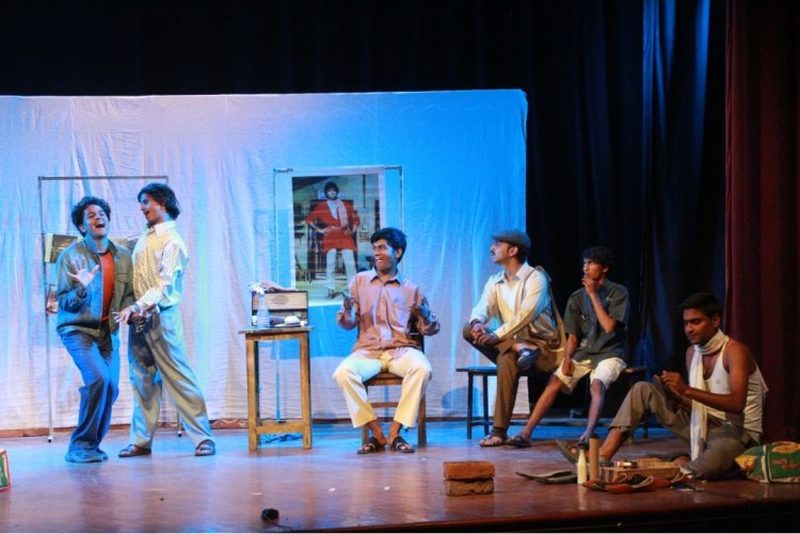
Every obituary written for Hindi theatre has been premature. Cinema was supposed to kill it, then television, and now streaming, yet on any given weekend in Mumbai and Delhi, audiences still file into auditoriums for plays performed live, without retakes, a few feet away. How Hindi theatre survives in the age of OTT is the story of an art form that stopped competing with screens and rediscovered what only the stage can do.
What the stage offers that streaming cannot
Theatre’s survival begins with its irreplaceable core: liveness. The actor breathing the same air as the audience, the performance that will never happen exactly this way again, the collective gasp of a roomful of strangers, these are experiences no algorithm can stream. Theatre-goers describe it as the difference between looking at the sea and swimming in it. OTT offers infinite choice; theatre offers irreplaceable presence.
The intimacy cuts both ways. Actors speak of the stage as the ultimate test: no editing to save a weak moment, no second take, just craft under pressure. Many of Indian cinema’s finest actors return to theatre precisely for this rigour, and their presence draws film audiences into auditoriums, creating a virtuous crossover.
The economics of survival
Theatre’s finances are brutally honest. A Hindi play typically earns from ticket sales, with modest sponsorships and occasional corporate shows supplementing. Production costs, venue rentals, actor fees, sets, are borne against box offices a fraction of cinema’s. Most theatre practitioners hold day jobs or film work; the stage pays in prestige and craft more than money.
Survival strategies have evolved. Theatre companies cultivate loyal subscriber audiences, perform in intimate venues with lower overheads, tour to festivals and corporate clients, and increasingly, film their productions for digital platforms, earning new revenue while preserving the live core. Grants and cultural sponsorships help, though India’s theatre funding remains modest compared to Western models.
How theatre adapted to the streaming age
- Intimate venues: smaller spaces with lower costs and closer actor-audience connection.
- Contemporary writing: new plays tackling current themes that streaming algorithms overlook.
- Crossover casting: film and web actors drawing their fans to the stage.
- Digital extensions: recorded plays and hybrid formats reaching beyond the auditorium.
Rather than competing with OTT’s scale, theatre doubled down on specificity: stories rooted in particular places and experiences, experimental forms, political daring that mainstream platforms avoid. The stage became the space for what screens would not touch.
The audience question
Theatre’s enduring challenge is audience renewal. The loyal core skews older and metropolitan; attracting young viewers raised on infinite streaming choice requires deliberate effort. Companies respond with accessible pricing, relatable contemporary writing, campus outreach and the simple power of a great night out: theatre as event, as date, as experience worth leaving home for.
The signs are encouraging. Prestigious theatre festivals draw crowds, new writing thrives, and the crossover traffic runs both ways: OTT stars doing plays, theatre actors headlining series. The ecosystem is smaller than the screen industries but more interconnected than ever.
The festival circuit that keeps theatre alive
Theatre festivals are Hindi theatre’s lifeline and shop window. Major festivals bring productions from across India to metropolitan audiences, giving companies the exposure and fees that sustain them between seasons. For audiences, festivals are discovery engines: a single weekend offering tragedy, comedy, experimental work and classics. The touring circuit extends the economics: a successful production travels to festivals in multiple cities, amortising its costs across many performances. Festivals also confer prestige that translates into sponsorships, venue bookings and media attention. Young companies treat festival selection as validation, and programmers as gatekeepers worth courting. The circuit has its politics, who gets invited, who gets the prime slots, but its overall effect is nourishing: a national conversation about theatre conducted through live performance. In an age of infinite digital content, the festival gathering, audiences travelling to sit together in the dark, may be theatre’s most defiant act of all.
FAQs
Is Hindi theatre dying? No. It faces financial pressure and audience challenges, but active companies, festivals and new writing indicate a resilient, if modest, ecosystem.
How can I watch Hindi plays? Through theatre festivals, regular seasons at auditoriums in major cities, and increasingly through recorded productions on digital platforms.
Do film actors still do theatre? Many do, returning to the stage between screen projects for the craft, the challenge and the direct audience connection.
Hindi theatre endures by being unapologetically itself: live, local, human, the one entertainment that cannot be paused, skipped or binged, only experienced, together, in the dark.
Compiled by the Khabar 24h Editorial Desk from publicly available sources.

Khabar 24h Editorial Desk — our explainers are prepared by the Khabar 24h editorial team using AI-assisted research tools, and every piece is reviewed by a human editor before publishing. We do not claim original reporting: our work is turning complex topics into simple, accurate summaries. Spotted an error? Write to contact@khabar24h.com — our corrections policy aims for same-day review.
More from this author →