AI Helps Find ‘Molecular Glues’ Against Blood-Cancer Protein
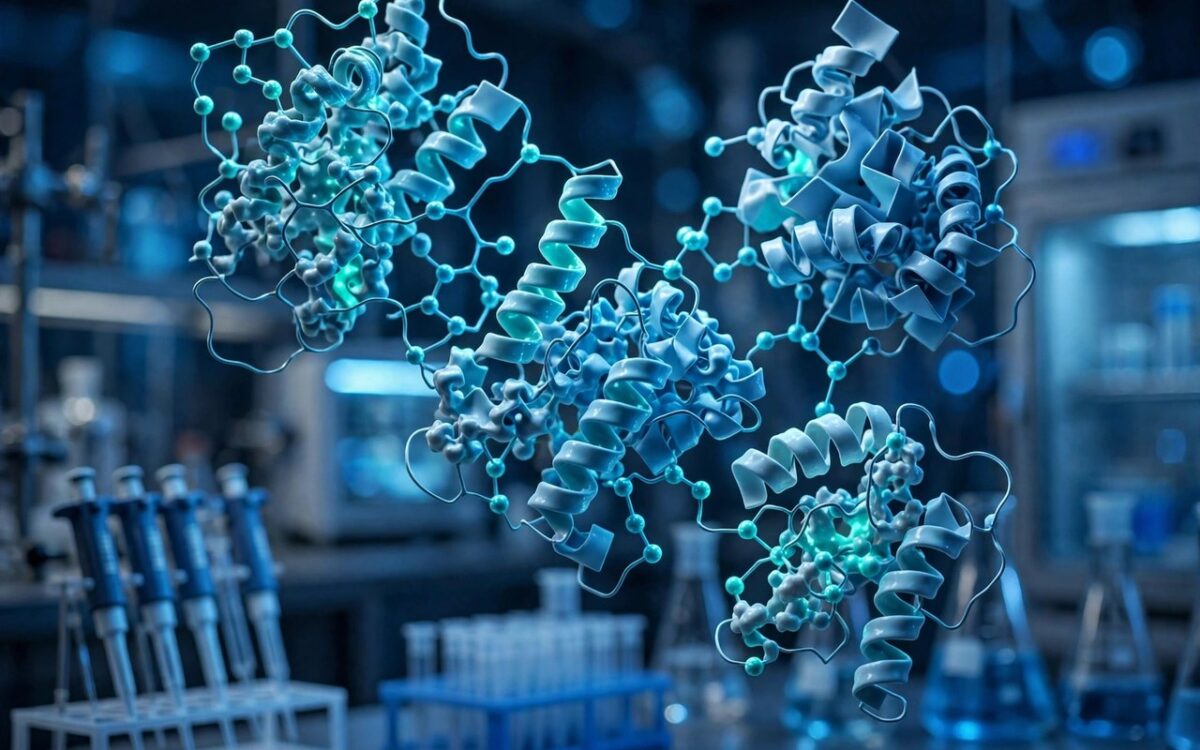
Scientists at Baylor College of Medicine have used artificial intelligence and high-throughput proteomics to discover a new class of molecular glues that neutralise a protein linked to blood cancers and autoimmune diseases.
The study, led by Dr. Jin Wang and published in Nature Communications in 2026, targets a protein called VAV1, an important regulator of immune cell function.
Molecular glues work like matchmakers inside cells: they bring a harmful protein into contact with the cell's natural disposal machinery, which then destroys the target.
Instead of blocking a protein's function, the strategy eliminates it entirely, which researchers say could produce a more complete therapeutic effect.
The team screened a library of molecules using high-throughput proteomics, a technology that can assess thousands of proteins at once. The analysis revealed compounds including NGT-201-12 that caused VAV1 levels to drop while affecting relatively few other proteins.
They then built GluePlex, a computational workflow combining AI-based protein-structure prediction with physics-based modelling, to optimise the compounds without needing an experimental structure of the complex.
Follow-up studies showed the degradation depended on the proteasome and cereblon, a component of the cell's protein-degradation pathway.
The work shows how AI structural modelling can guide chemists early in drug design.
Related stories
View all →
Netherlands Confirms First Child Euthanasia Case
The Netherlands has confirmed details of the first child euthanised under its expanded 2024 law allowing doctors to end the life of…

Chennai Records 1,775 Dengue Cases, Deploys Drones
Chennai has recorded 1,775 confirmed dengue cases this month, along with more than 8,300 fever cases, Greater Chennai Corporation Commissioner G S…
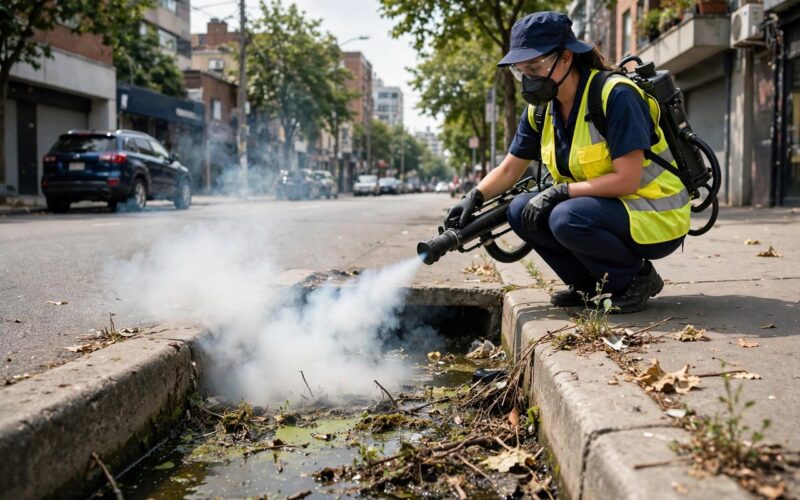
Bangladesh dengue toll hits 239 as September deaths surge
Bangladesh reported 6 dengue deaths and 1,942 admissions in 24 hours to September 29. The 2026 toll is 239.

Khabar 24h Editorial Desk — our explainers are prepared by the Khabar 24h editorial team using AI-assisted research tools, and every piece is reviewed by a human editor before publishing. We do not claim original reporting: our work is turning complex topics into simple, accurate summaries. Spotted an error? Write to contact@khabar24h.com — our corrections policy aims for same-day review.
More from this author →
Leave a Reply