Kannada Cinema: How Sandalwood Funds Films Beyond Karnataka’s Home Market
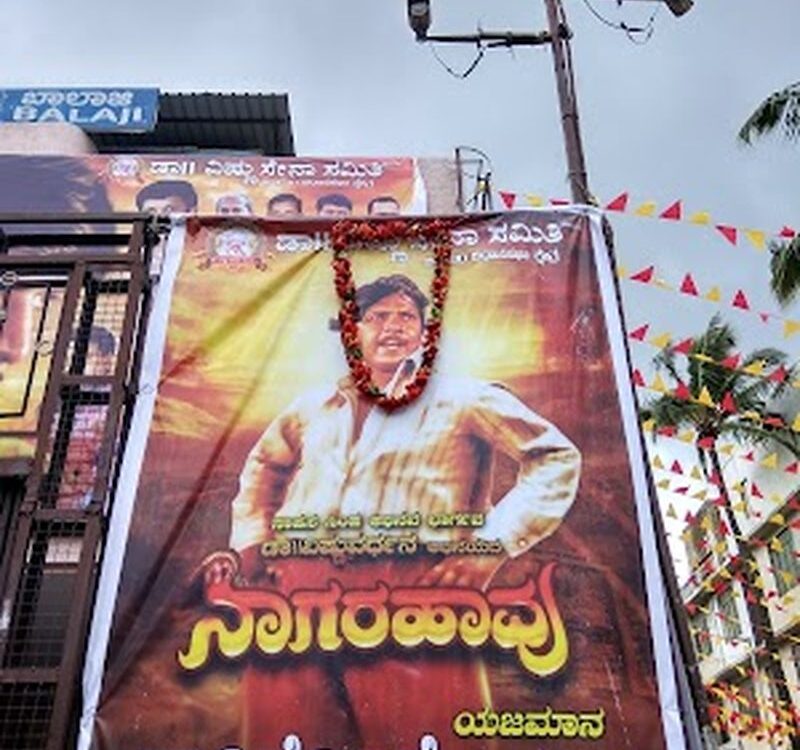
For decades, Kannada cinema was Indian film’s quiet achiever — respected, self-sufficient, but largely contained within Karnataka. Then a series of homegrown spectacles conquered the national box office, and Sandalwood found itself recast as a pan-India powerhouse. The transformation raises a fascinating question: how does an industry rooted in a single state’s market fund films ambitious enough to compete nationally?
The home market foundation
Karnataka, with a population exceeding six crore, provides Kannada cinema a solid but not enormous home base. Bengaluru’s affluence and multiplex density give the industry strong urban revenues; the rest of the state provides mass-market depth. Historically, this market comfortably sustained a prolific industry producing over a hundred films a year — mostly modestly budgeted, star-led entertainers and content-driven dramas serving local tastes.
The industry’s traditional economics were conservative: budgets calibrated to Karnataka’s recoverable revenue, stars with loyal but regional followings, and a steady output that kept the production ecosystem employed. It was a sustainable model — but it capped ambition at the state border.
Breaking the budget ceiling
The breakthrough came when Kannada producers began betting bigger than the home market alone could justify. The logic was the pan-India wager: spend at a scale that demands national returns, then earn those returns through dubbed releases across India. It was a gamble — if the film failed to travel, the losses would be catastrophic — but the successes rewrote the industry’s economics overnight.
Financing these leaps required new structures. Producers pooled resources, brought in corporate studios as partners, pre-sold dubbed-version rights and digital rights to de-risk the investment, and leveraged the director’s and star’s growing national profiles to command premium prices. The key insight: a film designed from inception for pan-India release can be financed against pan-India revenue projections, not just Karnataka’s.
The pan-India financing toolkit:
- Pre-sold dubbed rights: Hindi, Tamil, Telugu and Malayalam versions sold before release.
- Digital pre-sales: streaming rights committed early, underwriting production.
- Corporate partnerships: studios sharing risk on big-budget spectacles.
- Director and star equity: national profiles commanding premium pricing.
The Bengaluru advantage
Karnataka’s capital contributes more than box office. Bengaluru’s technology ecosystem, post-production facilities and creative talent pool give Sandalwood production advantages, while the city’s cosmopolitan audience rewards ambitious filmmaking. The industry has also benefited from Karnataka’s supportive policy environment for film production.
Equally important is the talent pipeline. Kannada cinema’s newer generation of directors — raised on both local traditions and global cinema — brought a visual ambition and storytelling confidence that made the pan-India leap credible. Their success has attracted investment and talent from across India to Bengaluru’s studios.
Sustaining the momentum
The challenge now is converting breakthrough moments into structural strength. Pan-India spectacles are high-risk, high-reward; the industry needs its mid-budget tier — the comedies, dramas and thrillers that provide steady employment and creative renewal — to thrive alongside the tentpoles. Early signs are positive: streaming platforms have embraced Kannada content, dubbed versions find audiences nationwide, and the industry’s technical crafts are attracting pan-Indian demand.
The risk is imitation without understanding: every industry now chases the pan-India spectacle, but Kannada cinema’s successes worked because they were rooted in local storytelling traditions that happened to have universal appeal — not because they were engineered by formula. The lesson for Sandalwood is to keep funding the rooted stories, at whatever scale, and let the nation come to them.
Karnataka’s audience loyalty provides the bedrock none of the financial engineering could replace. Kannada viewers are famously theatre-loyal, turning out in force for homegrown films, and the state government’s support — subsidies for Kannada productions and tax concessions — lowers the effective cost base. Satellite rights from Kannada television channels, which pay premiums for star-driven films, add another reliable revenue layer. Together, the loyal home audience, state support and television money create a floor of recovery that lets producers gamble on the pan-India upside with greater confidence than the raw numbers suggest.
FAQs
How can Kannada films afford pan-India budgets? By financing against national revenue — pre-selling dubbed and digital rights across languages so the budget reflects all-India earning potential, not just Karnataka’s.
What made Kannada cinema break out nationally? Ambitious directors, spectacle-scale productions, strategic dubbed releases, and stories rooted enough to feel authentic yet universal enough to travel.
Is Sandalwood bigger than Bollywood now? No — but its biggest spectacles have out-earned many Hindi releases nationally, and its per-film ambition now competes at the top level of Indian cinema.
Sandalwood’s story is a financing innovation as much as a creative one: an industry that learned to fund national dreams on the strength of regional roots. Karnataka’s market built the foundation; the pan-India bet built the tower.
Compiled by the Khabar 24h Editorial Desk from publicly available sources.

Khabar 24h Editorial Desk — our explainers are prepared by the Khabar 24h editorial team using AI-assisted research tools, and every piece is reviewed by a human editor before publishing. We do not claim original reporting: our work is turning complex topics into simple, accurate summaries. Spotted an error? Write to contact@khabar24h.com — our corrections policy aims for same-day review.
More from this author →