How Reality Music Shows Launch Singing Careers in India
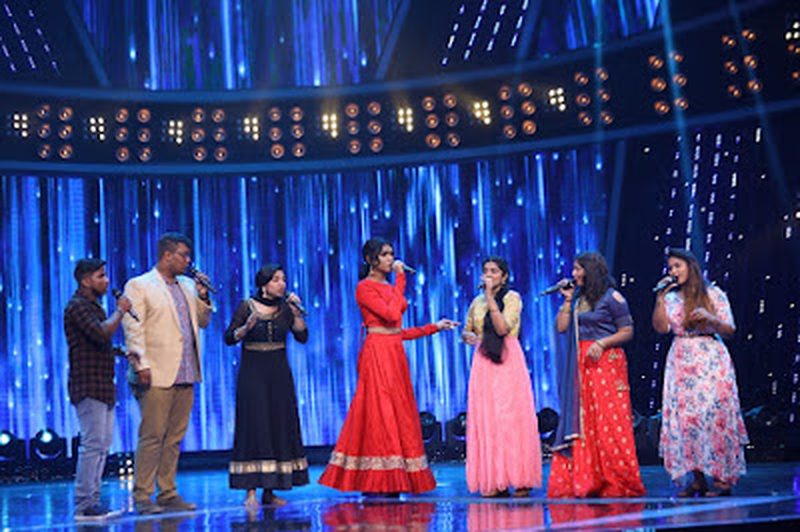
Every few months, a teenager from a small town — trained by a local guru, unknown beyond their district — appears on national television, sings, and becomes famous overnight. Reality music shows are Indian entertainment’s most reliable star-making machine, a talent pipeline that has launched many of the industry’s leading playback voices. Their machinery of discovery, training and launch deserves a closer look.
The audition funnel
The process begins with auditions held across dozens of cities, drawing lakhs of aspirants. Preliminary rounds filter for basic ability; televised auditions select for the combination of talent and story that makes compelling television. The funnel is brutally efficient: from lakhs to hundreds to the couple of dozen contestants who reach the live shows. What television compresses into a montage is months of grinding selection.
The shows’ democratic promise is genuine — small-town and rural contestants regularly outperform metro-trained rivals, and winners have come from villages, modest families and regional-language backgrounds. For many, the show is the first professional opportunity of their lives: the first time singing with a live band, the first studio recording, the first national audience.
What contestants actually learn
Beyond the competition, the shows function as accelerated music education. Contestants train with accomplished mentors — often leading playback singers and composers — learning stagecraft, microphone technique, genre versatility and the discipline of weekly performance under pressure. The band, the arrangements and the sound engineering expose them to professional production standards. Many contestants describe the experience as a compressed conservatory: months that teach what years of local training could not.
The mentors’ role extends beyond the show. Successful contestants frequently maintain these relationships, and mentors recommend their protégés for playback opportunities — the crucial bridge from television to the film industry.
The launch pipeline:
- Auditions: city-wise selection filtering lakhs down to televised contestants.
- Training: mentorship, live-band performance and professional production exposure.
- Exposure: weekly national television building audience familiarity.
- Playback bridge: mentors and music directors offering film opportunities.
- Career: playback singing, independent releases, live shows and judging roles.
The playback bridge — and its limits
The shows’ ultimate prize is not the trophy but the playback career. Winners and popular finalists get film songs — often immediately, arranged by the show’s music-director judges — and the most successful build lasting playback careers. But the bridge is narrow: each season produces one winner and a handful of working singers from dozens of finalists. Many talented contestants fade after the show’s spotlight moves on, returning to local careers or pivoting to teaching, YouTube channels and live gigs.
The industry’s absorption capacity is the constraint. Film music needs only so many new voices, and established singers defend their territory. Reality-show alumni must compete on merit in a crowded field — the show opens the door, but only sustained craft keeps it open.
The shows’ cultural role
Beyond individual careers, the shows democratised Indian music’s imagination. They proved talent is everywhere — not just in film families or metro training centres — and gave small-town India televised proof that its children could conquer the nation’s stages. They revived interest in classical training among the young, as contestants’ guru-shishya stories inspired a generation. And they created a shared national ritual: families voting, debating and weeping together over young singers’ journeys.
For television channels, these shows are among the most profitable properties on air — which explains their proliferation. Music reality shows deliver exactly what advertisers prize: family audiences watching together, appointment viewing that resists time-shifting, and weeks of sustained engagement across a season. Sponsorship integrations, SMS and app-based voting revenues, and the aftermarket of concert tours featuring contestants all add to the economics. The shows are expensive to produce — live bands, elaborate sets, celebrity judges — but the advertising premiums they command make them reliable tentpoles in an era when much of television struggles for attention.
FAQs
Do reality show winners become stars? Some do — several leading playback singers launched through these shows. But winning guarantees only opportunity; lasting careers require continued craft and luck.
What happens to contestants who don’t win? Many build careers in playback, live performance, teaching or digital content; others return to local music scenes. The exposure helps, but the field is competitive.
Are the shows’ results fair? Judging combines expert scores and audience voting, and controversies about voting and favouritism recur — but the talent on display is undeniably real.
Reality music shows are Indian music’s great democratiser: imperfect, melodramatic, occasionally unfair — and still the most open door the industry has ever offered. For the teenager from the small town with a voice, that open door is everything.
Compiled by the Khabar 24h Editorial Desk from publicly available sources.

Khabar 24h Editorial Desk — our explainers are prepared by the Khabar 24h editorial team using AI-assisted research tools, and every piece is reviewed by a human editor before publishing. We do not claim original reporting: our work is turning complex topics into simple, accurate summaries. Spotted an error? Write to contact@khabar24h.com — our corrections policy aims for same-day review.
More from this author →