How Game Streaming Works: The Business of Watching Others Play
It is one of the digital age’s strangest and most successful ideas: millions of people spending hours watching other people play video games. Game streaming has grown from a niche hobby into a global entertainment industry, and India, with its hundreds of millions of mobile gamers, has become one of its most enthusiastic markets. How game streaming works, as a business and a culture, reveals new economics of attention where personality is the product and community is the currency.
What viewers are actually watching
The uninitiated ask why anyone watches instead of playing. The answers are human: entertainment, the streamer as comedian and performer; learning, picking up skills and strategies; companionship, the stream as a place to hang out; and aspiration, watching pros play at a level viewers can only dream of. A great stream is closer to a talk show than a sports broadcast, with gameplay as the backdrop for personality.
Indian streaming culture has its own flavour: Hindi and regional language streams dominate, humour is broad and interactive, and the community treats favourite streamers like family. Chat is not a sidebar but the main event, a roaring conversation that the streamer conducts in real time.
How the money flows
Streaming economics run on several parallel tracks. Platforms share advertising and subscription revenue with streamers; viewers pay directly through donations, paid chat messages and memberships; sponsors pay for integrations and branded streams; and successful streamers convert fame into YouTube revenue, merchandise and esports salaries. No single stream pays for itself through one source; the business is a stack.
- Platform revenue share: ads, subscriptions and virtual goods split with the streamer.
- Viewer payments: donations, super chats and memberships from the community.
- Sponsorships: brands paying for dedicated streams and integrations.
- Content flywheel: stream highlights repackaged for video platforms, multiplying earnings.
The most lucrative streamers earn across all four, but the base is always the community: viewers who show up daily, subscribe monthly and defend their streamer like a sports team.
The streamer’s craft
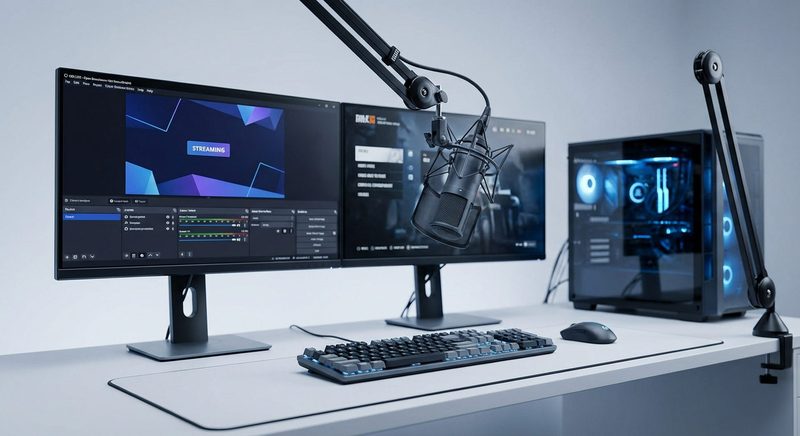
Successful streaming is a performance discipline. Streamers broadcast for hours daily, maintaining energy, narrating gameplay, reading rapid-fire chat, managing trolls and manufacturing memorable moments, all while playing well enough to be worth watching. The technical setup matters too: good audio, stable streams, engaging overlays, but personality remains the differentiator no equipment can buy.
Consistency builds the habit: regular schedules turn casual viewers into community members. The best streamers cultivate inside jokes, rituals and traditions that make their channel feel like a place, not just a broadcast. Moderation teams, often volunteer fans, keep chat civil at scale.
Platforms and the Indian market
Global streaming platforms compete for Indian creators and viewers, adapting with local language support, low-bandwidth modes and creator programmes. YouTube’s gaming and live features dominate, but dedicated streaming apps have carved niches. The battle for top streamers resembles sports free agency, with platforms offering contracts to anchor talent.
Challenges include discoverability for newcomers, the grind of daily broadcasting, and monetisation rates that lag Western markets. Yet the audience growth keeps attracting investment: where viewers go, platforms and sponsors follow.
How streams build lasting communities
The most successful streamers do not just broadcast; they build places. Discord servers extend the stream into always-on clubhouses where fans chat, organise games and share memes between broadcasts. Subscriber rituals, custom emotes, inside jokes and annual traditions, give communities their own culture. Moderators, often devoted fans, keep these spaces welcoming at scale. Meetups and fan events turn digital bonds physical, and charity streams mobilise communities for causes, proving these are real social formations, not just audiences. This community depth is also the business moat: viewers embedded in a streamer’s community do not drift to competitors casually, and sponsors pay premiums to reach groups this engaged. The streamer’s craft, then, is really community management disguised as entertainment: the gameplay attracts, but belonging retains. In an attention economy of infinite alternatives, the streamers who endure are the ones whose viewers would miss the people, not just the content, if the channel went dark.
FAQs
Why do people donate to streamers? For recognition, to support creators they love, to influence the stream through messages and requests, and to belong to the community.
Can streaming be a full-time career in India? Yes, for established streamers with large communities, though it demands relentless consistency and diversified income.
What equipment does a beginner need? A phone or PC capable of gaming and streaming, a decent microphone and stable internet. Personality and consistency outweigh gear.
Game streaming proved that in the attention economy, watching is doing: the audience is not passive but a community, and the business runs on belonging as much as broadcasting.
Compiled by the Khabar 24h Editorial Desk from publicly available sources.
Related stories
View all →
Ramayana Makers Unveil Yash’s Ravana Poster After MrBeast Event
The makers of Ramayana have unveiled a new official poster of Yash as Ravana, following a special promotional event in Mumbai attended…

Dhanush Postpones OM for Rajinikanth’s Jailer 2
Dhanush has postponed his film OM to avoid clashing with Rajinikanth's Jailer 2, saying big films should respect each other.

The Paradise Review: Nani Shines, Tropes Tire
The Paradise review: Nani delivers a standout performance in Srikanth Odela's film, but the story leans on tired, familiar tropes.

Khabar 24h Editorial Desk — our explainers are prepared by the Khabar 24h editorial team using AI-assisted research tools, and every piece is reviewed by a human editor before publishing. We do not claim original reporting: our work is turning complex topics into simple, accurate summaries. Spotted an error? Write to contact@khabar24h.com — our corrections policy aims for same-day review.
More from this author →