How Film Editors Shape a Bollywood Movie: The Invisible Craft of the Cut
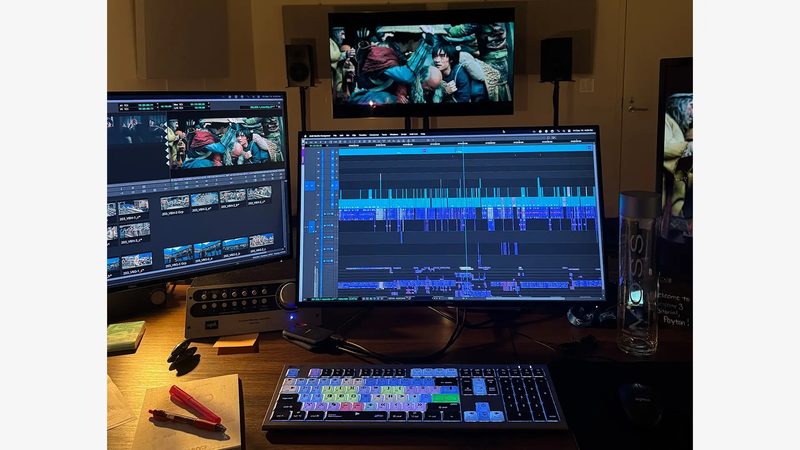
Ask audiences to name the makers of a film and they will mention the director and the stars. Almost no one names the editor, yet no one shapes the final movie more decisively. The film editor takes hours of raw footage and sculpts it into the two-and-a-half hours the audience actually experiences, deciding the pace of every scene, the timing of every laugh and the emotional weight of every silence. In Bollywood, where films must balance drama, comedy, romance, action and music, the invisible craft of the cut is what holds the spectacle together.
From dailies to first assembly
Editing begins while the shoot is still underway. Each day’s footage, the dailies, is ingested, logged and organised by assistant editors who sync sound, label takes and build the editor’s raw material. The editor then assembles a first cut, often much longer than the intended runtime, that simply puts the story in script order with the best available takes. This assembly is the film’s skeleton: it reveals what the footage actually contains, as opposed to what everyone imagined on paper.
This stage demands brutal honesty. Scenes the director loved on set may drag on screen; performances that felt electric live may fall flat in context. A good editor’s first loyalty is to the audience’s experience, not to anyone’s attachment to a particular shot. In the Indian industry, where shooting ratios can be generous and multiple cameras cover scenes from several angles, the editor’s material runs deep, and the choices multiply accordingly.
How pace and rhythm are built
Pace is the editor’s primary instrument. Cutting faster accelerates excitement; holding longer builds tension or emotion. Bollywood’s mainstream grammar traditionally favours a propulsive rhythm, particularly in the first half, to keep mass audiences engaged, while allowing songs and emotional scenes room to breathe. The editor calibrates this scene by scene: a comedy sequence might cut on every punchline, a confrontation might linger on faces, an action set piece might intercut multiple angles at frantic speed.
Song sequences present a special challenge unique to Indian cinema. The editor must cut musical numbers that satisfy both the song’s rhythm and the story’s emotion, often working with choreography shot over many days. Montages, interval blocks and climaxes each have their own traditional shapes, and part of the craft lies in honouring audience expectations while finding fresh variations.
The collaboration with the director
Editing is the most intimate creative partnership in filmmaking after the director-actor relationship. Directors and editors often work in pairs across many films, developing a shorthand that lets them argue productively about what serves the story. The editor functions as the director’s first audience and toughest critic, the person in the room empowered to say that a beloved scene is not working.
This relationship goes through distinct phases. Early cuts are exploratory, with the editor proposing structures the director had not considered. Later passes become surgical: trimming minutes, then seconds, then individual frames. The final stage, often called the fine cut, is about polish, tightening transitions, refining reaction shots, making sure every cut earns its place. When the director and producer both sign off, the picture is locked and handed to sound, music and colour.
Why editing decides a film’s fate
Industry veterans insist that films are made three times: when written, when shot, and when edited, and that the third making is the most decisive. A weak script can sometimes be salvaged by restructuring; a meandering second half can be rescued by decisive cutting; a performance can be elevated by choosing exactly the right takes and reactions. Conversely, poor editing can sink strong material: audiences experience boredom or confusion as failures of the film, not of the cutting room.
The rise of streaming has given editors new canvases. Series editing demands different muscles: sustaining tension across episodes, managing multiple timelines, and cutting recaps and cliffhangers. Many of India’s most sought-after editors now move fluidly between films and long-form streaming, bringing cinematic cutting discipline to the small screen.
FAQs
How long does editing a Bollywood film take? Typically three to six months from first assembly to picture lock, running parallel to the later stages of shooting and then continuing after wrap.
What is the difference between an editor and a director? The director creates the raw material through performance and camerawork; the editor reshapes that material into the final narrative through selection, order and rhythm. Both are authors of the finished film.
Do editors work on song sequences too? Yes, and they are among the most technically demanding parts of the job, requiring the editor to balance musical rhythm, choreography and story across footage shot over many days.
The next time a film holds you spellbound for three hours without a wasted minute, credit the person you never saw: the editor, who made a thousand invisible decisions so you would feel only one seamless story.
Compiled by the Khabar 24h Editorial Desk from publicly available sources.

Khabar 24h Editorial Desk — our explainers are prepared by the Khabar 24h editorial team using AI-assisted research tools, and every piece is reviewed by a human editor before publishing. We do not claim original reporting: our work is turning complex topics into simple, accurate summaries. Spotted an error? Write to contact@khabar24h.com — our corrections policy aims for same-day review.
More from this author →