Science
Gut bacterium Akkermansia may slow brain ageing
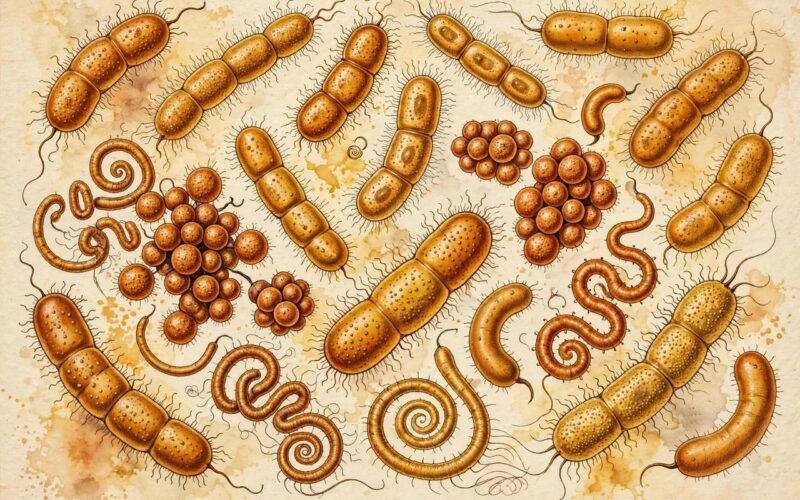
UCLA study in Nature Communications finds Akkermansia muciniphila slowed brain ageing signs in older mice. How the gut-brain link works.
Simple explainers on world affairs, science, health and more.
All news under one minute
UCLA study in Nature Communications finds Akkermansia muciniphila slowed brain ageing signs in older mice. How the gut-brain link works.
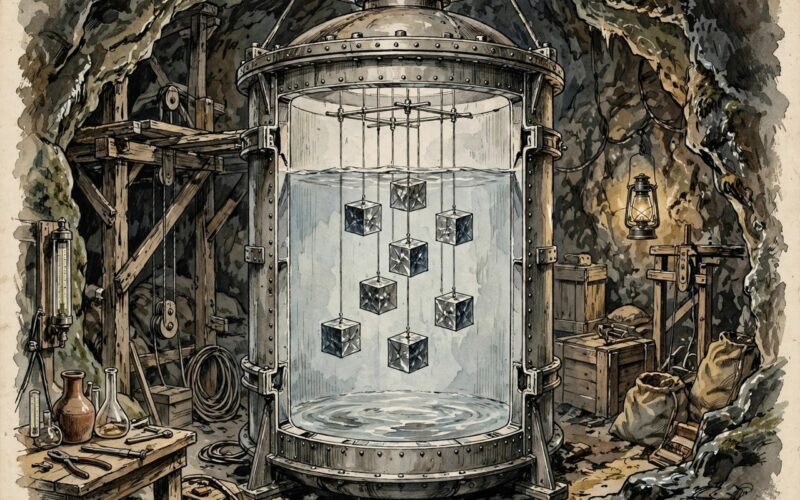
A reconstruction of Nazi Germany's B8 reactor shows it needed twice the uranium and heavy water to work, settling a decades-old debate.
University of Chicago scientists found a flat-band state in iron germanium telluride that could enable denser, energy-efficient memory devices.
LUX-ZEPLIN saw a single unexplained 248 keV event at 2.6 sigma after 220 live days; researchers say it is not a discovery.
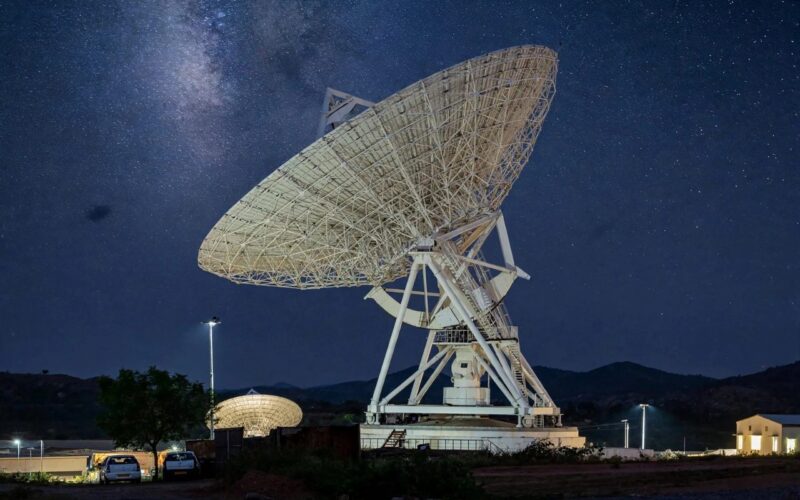
ISRO has announced the ISTRAC Advanced Radar Research Facility for atmospheric, ionospheric and space-weather research, with its base in Assam.
World Space Week 2026 runs October 4-10 in 100 nations under the Rocket Revolution theme, celebrating how launch innovation is opening space…
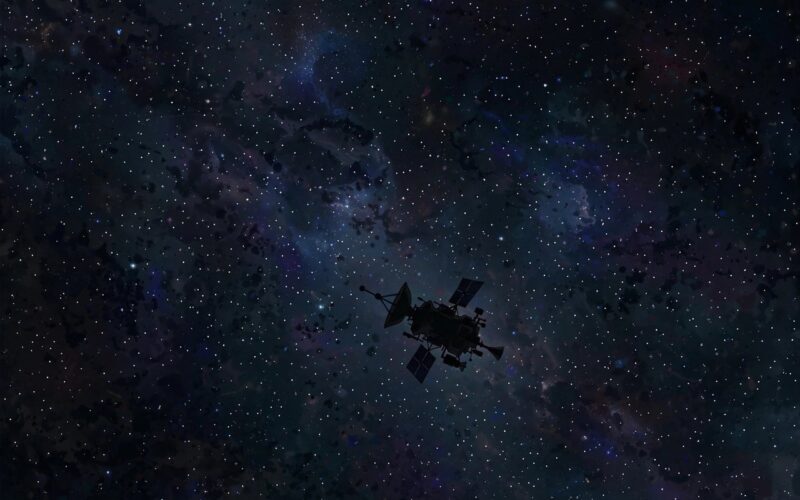
NASA's Voyager 1 has performed a rare 70-degree roll, last done in 1990, so its particle instrument can study the solar wind…
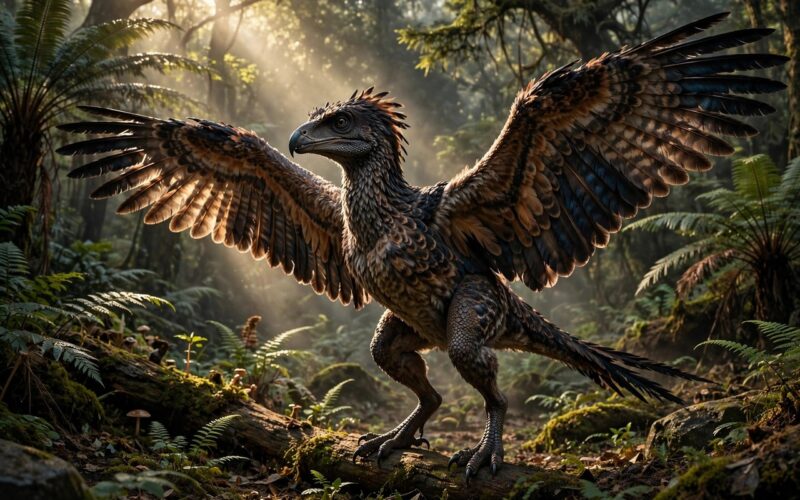
Newly discovered feathery-limbed dinosaur from China shows dinosaurs evolved toward flight along a path parallel to birds, Nature reports.
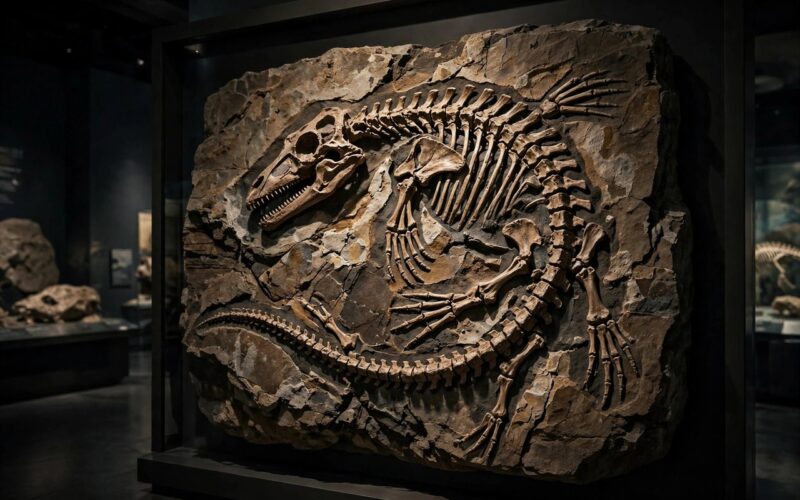
Synchrotron X-rays reveal Scotland's 345-million-year-old 'Lizzie' fossil had gills and fish-like teeth; reclassified as aquatic stem tetrapod.
Scientists identify 57 new marine species and five genera from Argentina's Mar del Plata Canyon, including 'Loki the Sea Cucumber'.