Circuit Breakers and Trading Halts: How Stock Exchanges Stop Market Panics
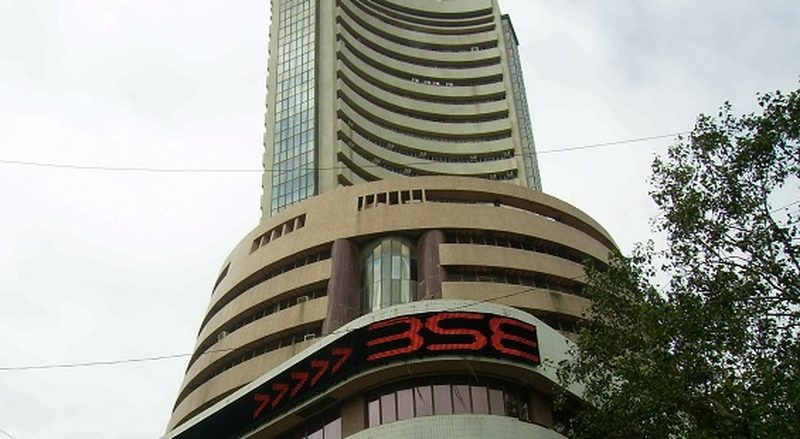
On rare, stomach-churning days, the stock market simply stops — trading freezes, screens go amber, and investors are forced to breathe. These are circuit breakers at work: automatic halts triggered when indices move too far too fast, designed to interrupt panic and give rationality a chance to catch up. India has used them on both crashes and euphoric surges. Here is how the system works, what happens during a halt, and what it means for your investments.
Why circuit breakers exist
Markets are driven by humans and algorithms that, in moments of shock, extrapolate the last five minutes into eternity. A sharp fall triggers stop-losses, which trigger more selling, which triggers margin calls — a cascade that can detach prices from any fundamental reality within minutes. The 1987 Black Monday crash taught global markets this lesson; India’s own episodes, from the 2004 election-result crash to the COVID crash of March 2020, reinforced it. Circuit breakers do not prevent losses — nothing can — but they break the feedback loop, forcing a pause in which news can be absorbed, rumours checked and orders reconsidered.
How India’s index circuit filters work
Indian exchanges apply circuit filters at three levels on the benchmark indices — 10, 15 and 20 per cent movement in either direction from the previous close. A 10 per cent move halts trading: for 45 minutes if it happens before 1 pm, 15 minutes if between 1 and 2:30 pm, and no halt after 2:30 pm. A 15 per cent move triggers a 1 hour 45 minute halt before 1 pm, 45 minutes between 1 and 2 pm, and none after 2 pm. A 20 per cent move halts trading for the rest of the day. These apply to the Nifty and Sensex; individual stocks carry their own price bands, typically 2, 5, 10 or 20 per cent depending on the scrip, beyond which orders are not accepted. Derivatives trading halts alongside the underlying index.
What happens during a halt
When a breaker trips, all trading in the affected segment freezes — existing orders stay in the system but nothing executes. Exchanges disseminate the news, brokers notify clients, and the market reopens with a pre-open session to discover a calmer price. For investors, the practical effects are: you cannot exit (or enter) during the halt, stop-loss orders may execute at much worse prices on reopening due to gaps, and leveraged positions face margin scrutiny. Importantly, a halt is information, not protection — prices can continue falling after reopening, as they did in March 2020 when multiple 10 per cent filters tripped across sessions.
- 10%: halt of 15–45 minutes depending on time of day.
- 15%: halt of 45 minutes to 1 hour 45 minutes.
- 20%: markets closed for the day.
- Stocks: individual price bands of 2–20% freeze single-scrip trading.
What breakers mean for long-term investors
For SIP investors and long-term holders, circuit breakers are mostly theatre you watch from the sidelines — your monthly investments continue, and history shows that panic halts mark moments of maximum pessimism that later look like opportunities. The real lessons are structural: keep leverage away from your portfolio so a halt never triggers forced selling, avoid stop-loss orders placed too close to volatile holdings on panic-prone days, and recognise that the halt exists because the market’s collective judgment temporarily failed — which is precisely when individual judgment matters most. The investors who did nothing during the March 2020 halts did better than most who acted.
FAQs
Do circuit breakers apply to upper moves too? Yes — the filters are symmetric, and trading halts on extreme single-day rallies as well, though these are rarer.
Can I place orders during a halt? Existing orders remain; new orders are generally not accepted until trading resumes with a pre-open session.
Have Indian markets ever hit the 20% breaker? Index-wide 20 per cent single-day moves are extraordinarily rare; the system has tripped at 10 and 15 per cent levels during events like the 2004 and 2020 crashes.
Circuit breakers are the market’s admission that it sometimes needs to be saved from itself. They buy time, not safety — and for the prepared investor, that pause is a reminder that the best action in a panic is usually no action at all.
Compiled by the Khabar 24h Editorial Desk from publicly available sources.

Khabar 24h Editorial Desk — our explainers are prepared by the Khabar 24h editorial team using AI-assisted research tools, and every piece is reviewed by a human editor before publishing. We do not claim original reporting: our work is turning complex topics into simple, accurate summaries. Spotted an error? Write to contact@khabar24h.com — our corrections policy aims for same-day review.
More from this author →