Scientists find hidden weakness in kidney cancer cells
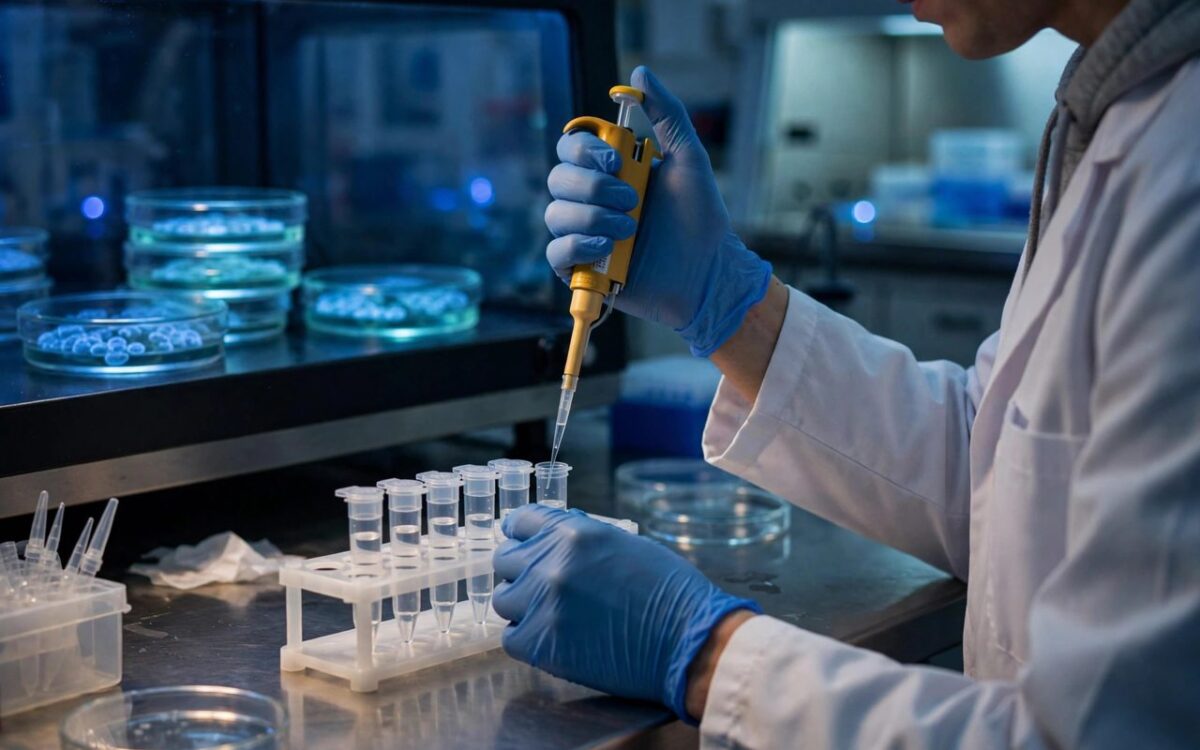
Scientists have found a hidden weakness in an aggressive form of kidney cancer that could lead to a new combination treatment. The research was published in the Proceedings of the National Academy of Sciences.
The discovery involves clear cell renal cell carcinoma, which often carries changes in a gene called VHL. The gene normally helps stop uncontrolled cell growth.
Researchers at the University of Notre Dame found that losing VHL activates a protein called HIF-2-alpha. That makes cancer cells produce large amounts of another protein, TRAIL.
TRAIL normally tells damaged cells to destroy themselves. But too much of it traps the ‘death receptors’ inside the cell, where outside treatments cannot reach them.
The team tested belzutifan, an approved kidney cancer drug that blocks HIF-2-alpha. It lowered TRAIL levels and allowed the trapped receptors to move back to the cell surface.
Adding laboratory-made TRAIL then triggered much more cancer cell death. The combination also slowed cell division in laboratory studies and mouse models.
The work was led by Professor Xin Lu. It suggests a two-pronged attack: making it harder for cancer cells to multiply while making them easier to destroy.
Related stories
View all →
IMD: rain in Delhi-UP, snow in hills as western disturbance hits
IMD forecasts rain across Delhi, UP, Punjab and Haryana with snowfall in the hills as a western disturbance moves in.
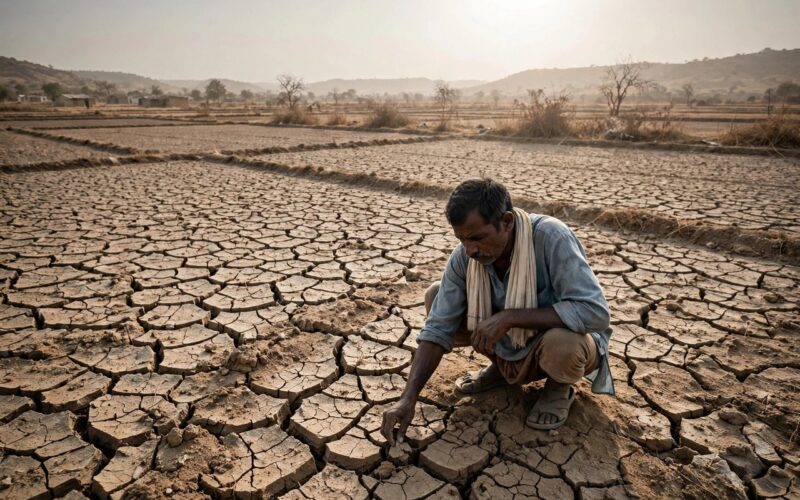
Maharashtra declares drought in 265 talukas
Maharashtra declares drought in 265 of 358 talukas, activating 12 relief measures including loan restructuring.

IMD Warns of Heavy Rain, Lightning Across 15 States
Thunderstorms, lightning and heavy rain are expected across 15 states on Friday, according to the India Meteorological Department's mid-day bulletin. Bihar

Khabar 24h Editorial Desk — our explainers are prepared by the Khabar 24h editorial team using AI-assisted research tools, and every piece is reviewed by a human editor before publishing. We do not claim original reporting: our work is turning complex topics into simple, accurate summaries. Spotted an error? Write to contact@khabar24h.com — our corrections policy aims for same-day review.
More from this author →
Leave a Reply