NASA’s Mars simulation crew switches to Martian days
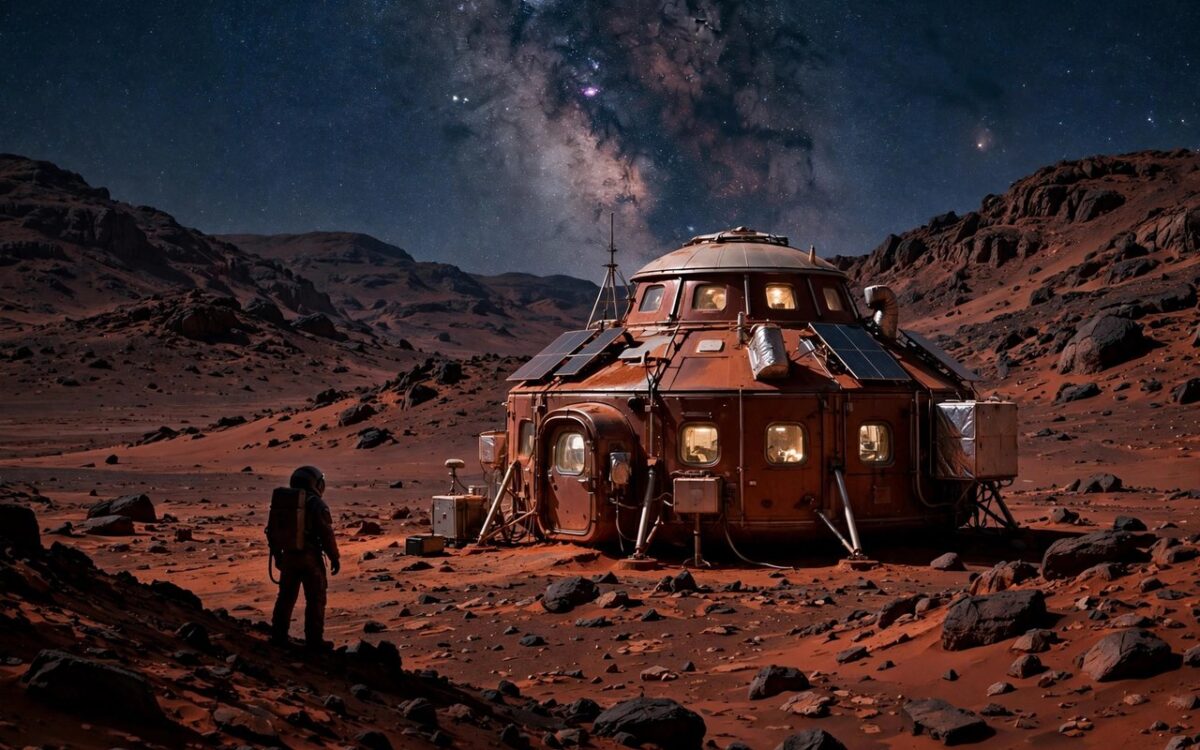
The crew of NASA's year-long Mars simulation has switched to living on Martian time. In late September, the four CHAPEA-2 volunteers began following 24-hour-40-minute sols, matching the length of a day on Mars.
The crew members are Ross Elder, Ellen Ellis, Matthew Montgomery and James Spicer. They have been living inside a 3D-printed Mars habitat at the Johnson Space Center, testing what a real Mars mission would demand of its astronauts.
Living on Mars time is one of the mission's toughest psychological tests. Each day starts 40 minutes later than the last, steadily desynchronising the crew from Earth's rhythm. Real Mars astronauts would face the same challenge.
The mission ends on October 31, 2026. Data from CHAPEA-2 will feed into NASA's planning for eventual crewed missions to the Red Planet, including studies of crew health, performance and cohesion. The crew grows its own food and conducts simulated spacewalks in the mock Martian landscape. Every activity is monitored by mission control in Houston.

Khabar 24h Editorial Desk — our explainers are prepared by the Khabar 24h editorial team using AI-assisted research tools, and every piece is reviewed by a human editor before publishing. We do not claim original reporting: our work is turning complex topics into simple, accurate summaries. Spotted an error? Write to contact@khabar24h.com — our corrections policy aims for same-day review.
More from this author →
Leave a Reply