Galaxy Messier 74 is twice as big as we thought
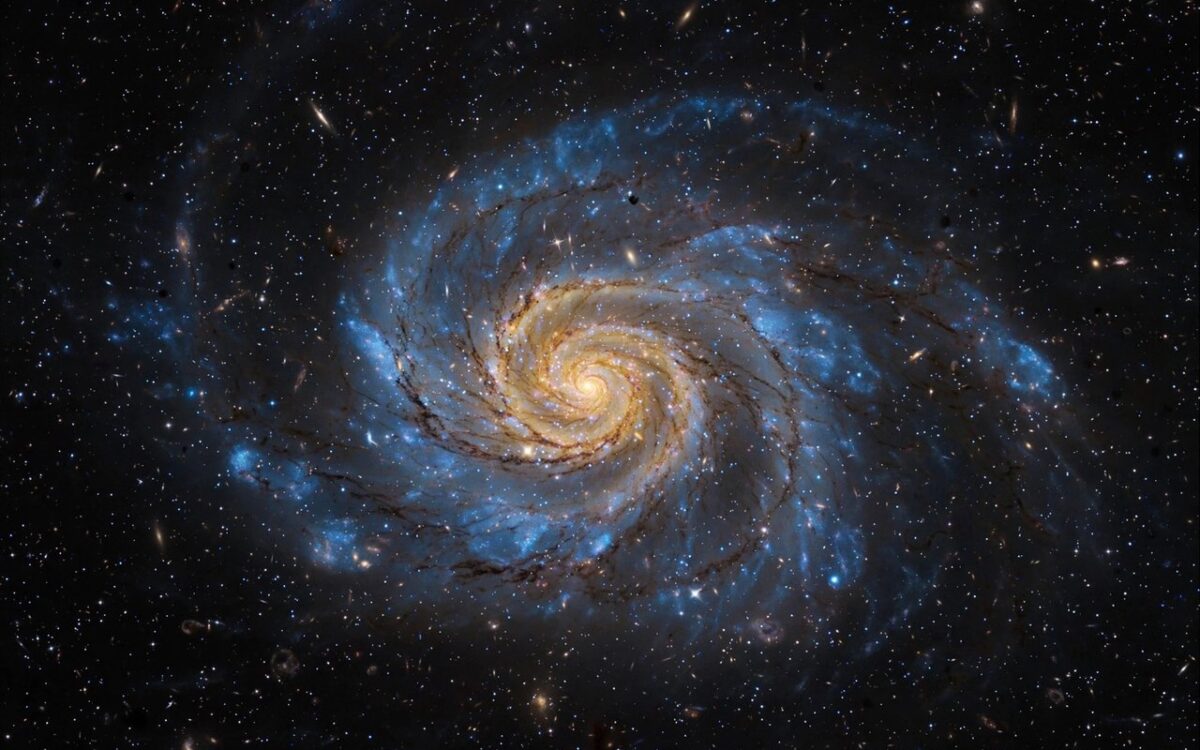
The spiral galaxy Messier 74 is nearly twice as large as astronomers thought, thanks to a faint population of young stars hiding at its edge.
Spanish researchers using the one-metre Transient Survey Telescope in the Canary Islands found young blue stars extending far beyond the galaxy’s known disk. The new structure reaches nearly 100,000 light-years from the centre, about double the previously measured 45,000 light-years.
The study, published September 4 in the journal Astronomy and Astrophysics, found the outer stars are only about 640 million years old on average. That means the galaxy doubled its size in less than a billion years.
The team suspects a close flyby of the neighbouring galaxy UGC 1176, about 400,000 light-years away, disturbed the cold gas in the outskirts and triggered star formation there about a billion years ago.
Messier 74 sits about 30 million light-years from Earth. The find may change how astronomers measure the true edges of galaxies.

Khabar 24h Editorial Desk — our explainers are prepared by the Khabar 24h editorial team using AI-assisted research tools, and every piece is reviewed by a human editor before publishing. We do not claim original reporting: our work is turning complex topics into simple, accurate summaries. Spotted an error? Write to contact@khabar24h.com — our corrections policy aims for same-day review.
More from this author →
Leave a Reply