Ozone Hole Was Among Smallest in Decades in 2025, WMO Says

The Antarctic ozone hole in 2025 was one of the smallest in recent decades, the World Meteorological Organization said in its annual Ozone Bulletin.
Last year’s hole ranked as the fourth or fifth smallest since severe depletion was first observed in 1992. It was the second straight year that both its depth and extent stayed well below the 1990-2010 average.
The ozone layer sits 15 to 30 kilometres above Earth and blocks nearly all harmful short-wave ultraviolet radiation from the Sun. It was damaged by chlorofluorocarbons (CFCs), gases once used in refrigerants, aerosol sprays and fire-fighting foam.
The recovery reflects the success of the Montreal Protocol of 1987, signed by 197 countries, which phased out ozone-depleting chemicals. WMO Secretary-General Celeste Saulo called it “an environmental success story”, saying the layer has been recovering since 2000 and could fully heal within decades.
Scientists caution that the hole’s size varies year to year with weather. Warming in the stratosphere last September slowed ozone destruction and helped keep the 2025 hole small.
Related stories
View all →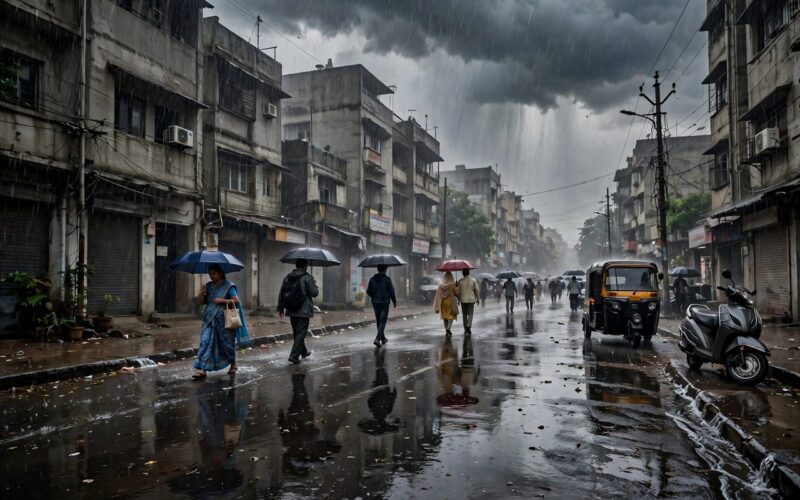
IMD predicts heavy rain in Kerala, TN, Bengal and Sikkim
The India Meteorological Department has forecast heavy rain in several states on October 9. Isolated places in Kerala, Tamil Nadu and Puducherry…
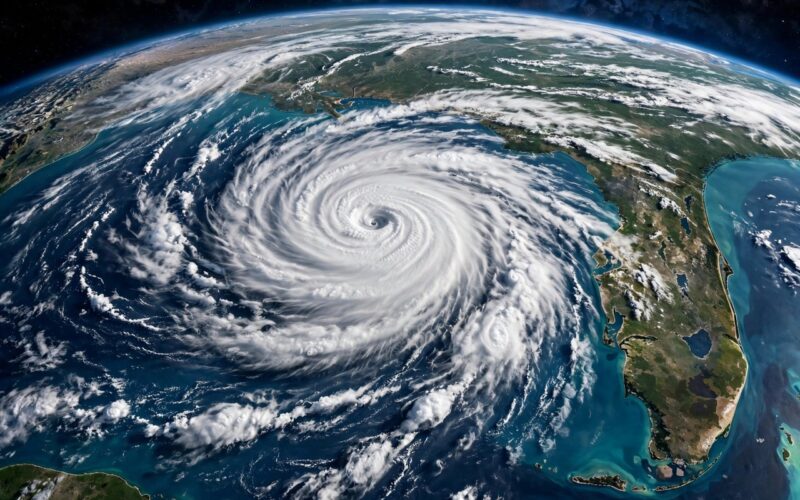
Hurricane Isaias to Hit Florida Tonight as Major Category 3 Storm
Hurricane Isaias is expected to make landfall near the Florida Panhandle on Friday evening with 111 mph winds, a 9-foot surge and…

Australia’s biggest coal plant to get 8,600 MWh battery
Origin Energy will expand the battery beside Australia's biggest coal station to 8,600 MWh, the country's largest grid battery.

Khabar 24h Editorial Desk — our explainers are prepared by the Khabar 24h editorial team using AI-assisted research tools, and every piece is reviewed by a human editor before publishing. We do not claim original reporting: our work is turning complex topics into simple, accurate summaries. Spotted an error? Write to contact@khabar24h.com — our corrections policy aims for same-day review.
More from this author →
Leave a Reply