Heart Attack In Older Adults Often Looks Different
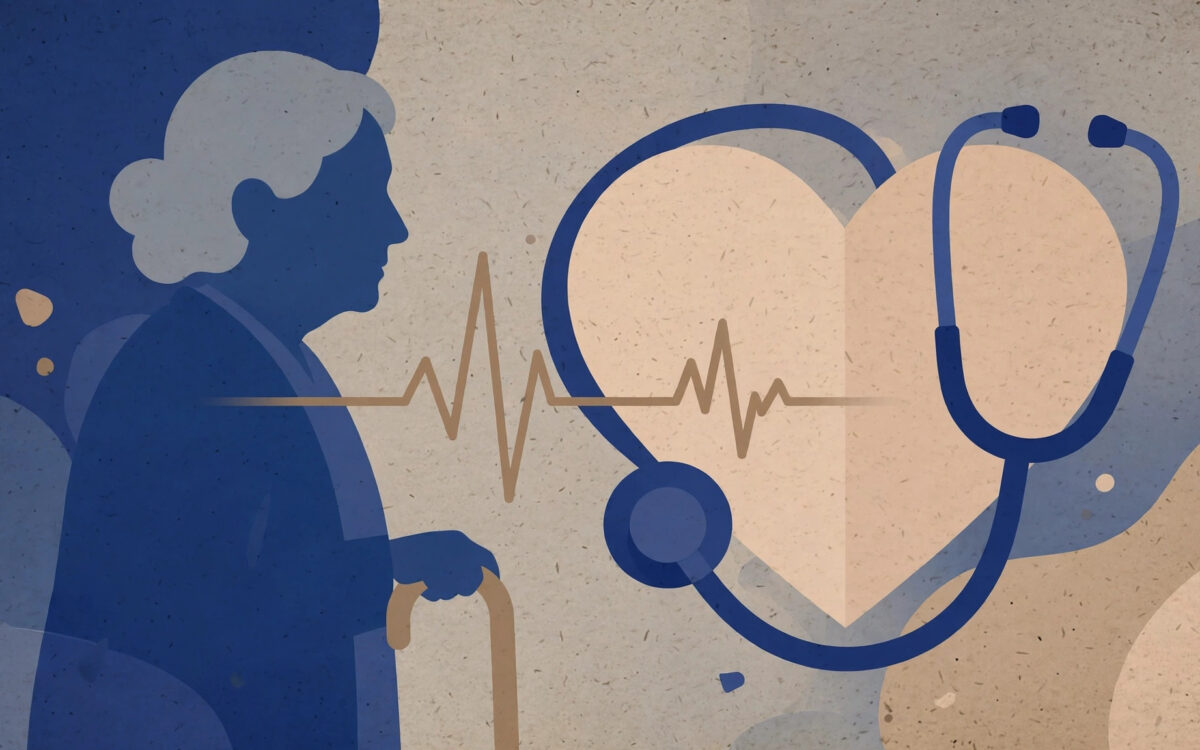
A heart attack in an older adult does not always look like the dramatic chest-clutching scene from the movies. In people above 65, the warning signs are often subtler, easier to miss, and sometimes mistaken for the normal aches of ageing.
Doctors say this is one of the reasons heart attacks in older adults can be more dangerous: the symptoms do not announce themselves clearly, so treatment gets delayed.
How the symptoms differ
Instead of crushing chest pain, older adults may feel sudden shortness of breath, unusual fatigue, or a vague sense of unease. Some experience pain in the back, jaw, neck, or stomach rather than the chest. Nausea, lightheadedness, and cold sweats can also be the main complaints.
In some cases, the only noticeable change is confusion or a sudden worsening of an existing condition. A person with diabetes, which can dull the sensation of pain, may feel almost nothing in the chest at all.
Why delays are dangerous
Every minute matters during a heart attack because heart muscle begins to die when its blood supply is cut off. Older patients who dismiss their symptoms as indigestion, tiredness, or arthritis pain lose the critical early window in which treatment works best.
Caregivers and family members should take new or unusual symptoms seriously, especially if they appear suddenly. It is always safer to get checked and be wrong than to wait and be right.
What to do
If a heart attack is suspected, emergency services should be called immediately. Chewing an aspirin may be advised while waiting for help, but only if the person is not allergic and a doctor has not advised against it.
Do not drive yourself to the hospital during a suspected heart attack. Paramedics can begin treatment on the way, and that head start can save heart muscle and lives.
Related stories
View all →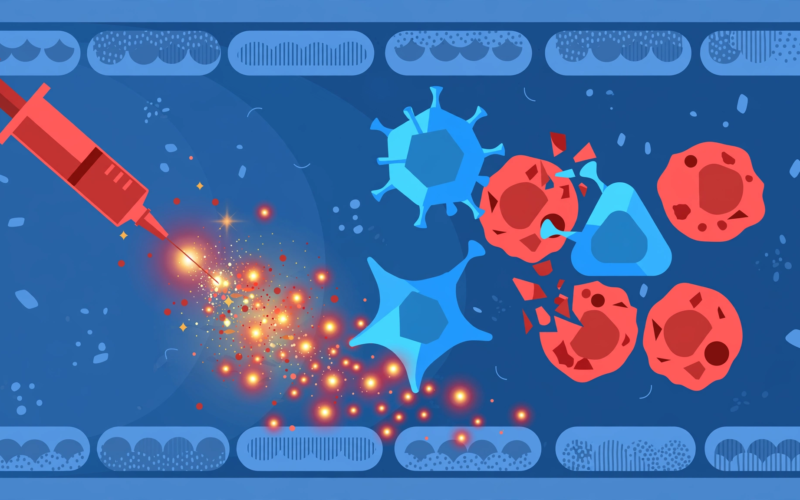
Single-Dose In Vivo CAR-T Shows 90% Response in Myeloma Trial
An experimental cancer therapy that turns a patient’s own cells into treatment inside the body has shown a 90% response rate in…
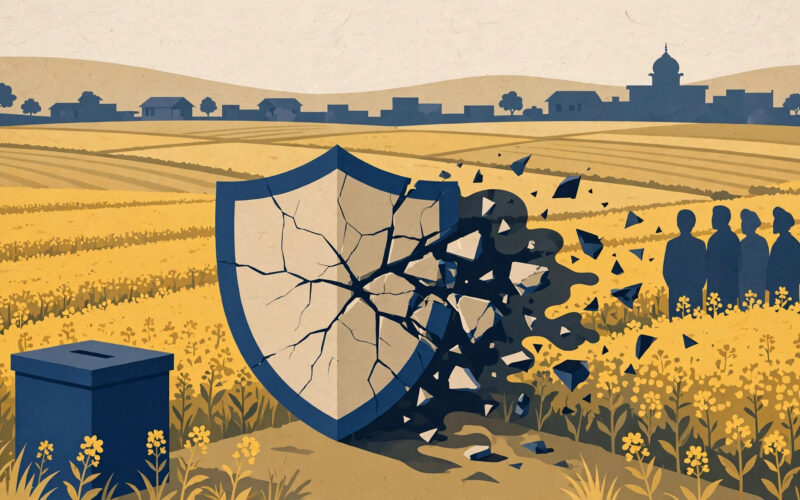
Punjab Drug Crisis Takes Centre Stage Ahead of 2027 Polls
Punjab's drug crisis dominates debate ahead of the 2027 polls, with the BJP, SAD, AAP and Congress all making it a key…
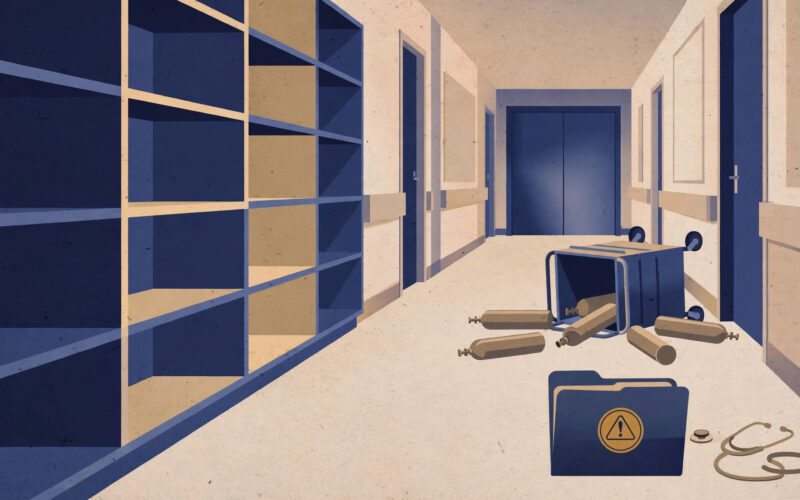
West Bengal Orders FIRs Over Missing Covid Equipment
West Bengal has ordered FIRs after medical equipment bought during the Covid-19 pandemic was found missing at 64 health centres across the…

Khabar 24h Editorial Desk — our explainers are prepared by the Khabar 24h editorial team using AI-assisted research tools, and every piece is reviewed by a human editor before publishing. We do not claim original reporting: our work is turning complex topics into simple, accurate summaries. Spotted an error? Write to contact@khabar24h.com — our corrections policy aims for same-day review.
More from this author →
Leave a Reply