Machu Picchu Explained: The Inca Citadel in the Clouds
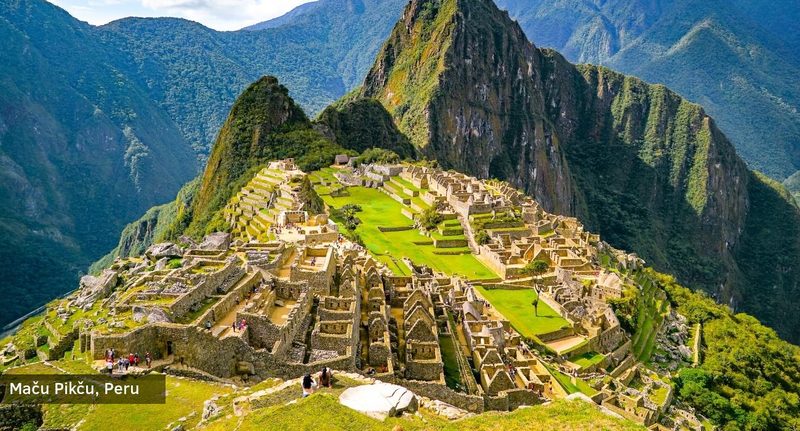
Perched on a mountain ridge 2,430 metres above sea level, wrapped in cloud forest and mystery, Machu Picchu is the most recognisable archaeological site on Earth. The 15th-century Inca citadel, with its dry-stone temples aligned to the sun, was never found by the Spanish and stayed hidden until 1911. What was this city in the clouds for, how was it built without mortar, wheels or iron, and how should you visit it today?
What Machu Picchu was
Most archaeologists believe Machu Picchu was a royal estate of the Inca emperor Pachacuti, built around 1450 as a retreat, religious centre and administrative hub. Its 200-odd structures include temples, palaces, storehouses and some 3,000 residents’ homes, arranged around plazas with exquisite stonework reserved for the sacred. It was occupied for barely a century, abandoned around the time of the Spanish conquest, possibly never discovered by the conquistadors. Its purpose mixed the practical and the cosmological: a palace aligned with the sacred landscape.
Engineering without mortar
The Inca built with ashlar masonry: stones cut so precisely they fit without mortar, with joints so tight a knife blade won’t pass. Walls lean inward for earthquake resistance, and the site’s terraces double as a brilliant drainage system, essential on a rainy ridge. How they moved multi-tonne blocks without wheels, draft animals or iron tools remains debated: ramps, levers, ropes and staggering manpower. The Temple of the Sun’s curved wall and the Intihuatana stone’s solar alignments show astronomy woven into architecture.
Hiram Bingham and the rediscovery
In 1911, Yale lecturer Hiram Bingham, guided by local farmers, reached the overgrown ruins and announced them to the world, styling himself their discoverer, though locals knew the site well. His expeditions removed thousands of artefacts to Yale, sparking a century-long dispute only resolved in 2011 when Yale agreed to return them. Bingham’s romantic Lost City narrative made Machu Picchu famous; modern archaeology has replaced romance with a richer, more accurate story of Inca civilisation.
The Inca world it belonged to
Machu Picchu was one jewel in the largest empire of the pre-Columbian Americas: Tawantinsuyu, stretching 4,000 km along the Andes, ruled from Cusco through a bureaucracy, road network and terrace agriculture that fed millions. The Inca had no writing or money but ran a command economy of stunning efficiency. The Spanish conquest of the 1530s, aided by disease and civil war, destroyed it in a generation. Machu Picchu survived precisely because it was forgotten, a time capsule of a vanished world.
Visiting today: tickets, trails and timing
Machu Picchu now limits visitors to protect the site: timed entry circuits, mandatory guides on some routes, and advance booking essential in high season (May to October). Most arrive via Cusco and the train to Aguas Calientes; the classic approach is the four-day Inca Trail, ending at the Sun Gate at dawn. Go early or late to dodge crowds, acclimatise in Cusco first (altitude sickness is real), and consider Huayna Picchu’s steep climb for the iconic aerial view. New regulations keep evolving, so check current rules before booking.
The pressures of fame
Fame threatens what it celebrates: erosion, landslides and overtourism strain the site, prompting UNESCO warnings and Peruvian countermeasures, including a second entrance and visitor caps. The town below groans under mass tourism’s weight while reaping its income. The debate, preservation versus access, money versus sanctity, will define Machu Picchu’s next century. The citadel survived the Spanish by hiding; surviving Instagram may be harder.
Machu Picchu’s unsolved mysteries
Questions remain: was it purely a royal estate or also an astronomical observatory and pilgrimage site? Why do some stones bear no tool marks? What happened to its residents? Archaeology keeps refining answers, but the site’s silence is part of its spell. Machu Picchu guards its secrets the way the mountains guard it.
FAQs
When was Machu Picchu built? Around 1450, under the Inca emperor Pachacuti, and occupied for roughly a century.
Do you need to hike to reach it? No, trains run from Cusco to Aguas Calientes with buses up to the site; the Inca Trail is optional.
What is the best time to visit? The dry season, May to October, offers the clearest views, though mornings year-round can be magical.
Machu Picchu endures as humanity’s most poetic ruin: a city built for an emperor’s eternity, lost for centuries, now found by millions. In the thin mountain air, among stones cut five centuries ago, the Inca world feels astonishingly close.
Compiled by the Khabar 24h Editorial Desk from publicly available sources.

Khabar 24h Editorial Desk — our explainers are prepared by the Khabar 24h editorial team using AI-assisted research tools, and every piece is reviewed by a human editor before publishing. We do not claim original reporting: our work is turning complex topics into simple, accurate summaries. Spotted an error? Write to contact@khabar24h.com — our corrections policy aims for same-day review.
More from this author →