The 2008 Financial Crisis Explained: How the Global Economy Nearly Collapsed
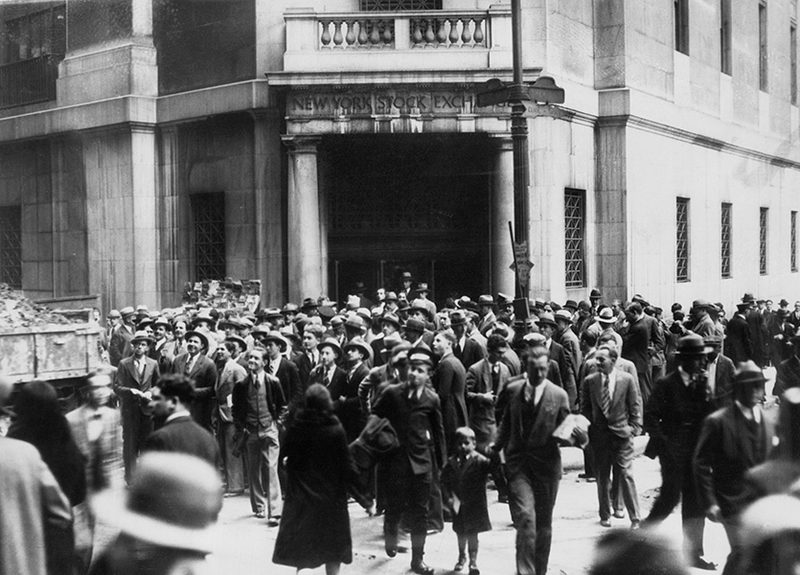
In September 2008, Lehman Brothers, a 158-year-old Wall Street bank, collapsed, and the global financial system came within hours of total seizure. Credit froze, stock markets crashed, and the world plunged into the Great Recession, the worst downturn since the 1930s. The 2008 financial crisis began with American mortgages and ended with governments owning banks. How did it happen, and did we fix it?
The housing bubble
The roots lay in America’s housing boom. Low interest rates, lax lending and the belief that house prices never fall fuelled a frenzy of subprime mortgages, loans to borrowers who could barely afford them, often with teaser rates that would later explode. Lenders didn’t care about repayment because they sold the loans on. House prices doubled in a decade; mortgage debt ballooned. When prices turned in 2006, the edifice cracked: defaults soared, and the collateral behind trillions in securities began to rot.
The financial engineering that spread the rot
Wall Street had sliced mortgages into mortgage-backed securities and CDOs, sold globally as safe investments, blessed by credit rating agencies paid by the issuers. Banks held these toxic assets leveraged 30-to-1, meaning a 3 per cent loss wiped them out. When defaults rose, no one knew which securities were poisoned or who held them, so banks stopped lending to each other entirely. Complexity, meant to spread risk, had concentrated it invisibly everywhere. The system discovered it was insolvent all at once.
September 2008: the panic
The crisis went critical with terrifying speed. Bear Stearns fell in March; Fannie Mae and Freddie Mac were nationalised; then Lehman’s bankruptcy on 15 September triggered full panic. AIG, the insurance giant, needed an $85 billion rescue; money market funds broke; credit markets froze, threatening every business that relied on short-term funding. Governments responded with vast bailouts: America’s $700 billion TARP, bank nationalisations in Britain, guarantees across Europe. Central banks slashed rates to zero and invented quantitative easing. The alternative, officials believed, was a second Great Depression.
The Great Recession
Finance’s crisis became everyone’s: global GDP contracted, world trade collapsed, and unemployment soared, above 10 per cent in America, far worse in Spain and Greece. Millions lost homes to foreclosure; retirement savings halved. The pain was wildly uneven: bankers were rescued while homeowners were not, a fact that poisoned politics. Developing nations were hit through collapsing exports and capital flight. Recovery took years, and for many communities, the good jobs never came back.
What caused it: the deeper verdict
Blame is abundant: greedy bankers, asleep regulators, rating agencies, the Fed’s cheap money, government housing policy, and a global savings glut chasing returns. The deeper cause was a financial system that privatised gains and socialised losses, with incentives rewarding short-term risk-taking at catastrophic scale. The crisis discredited the efficient-markets faith that finance self-regulates. Its intellectual fallout reshaped economics as thoroughly as its economic fallout reshaped lives.
Did we fix it?
Reforms followed: America’s Dodd-Frank Act, higher bank capital requirements globally under Basel III, stress tests, and curbs on proprietary trading. Banks are better capitalised, but finance found new shadows: private credit, crypto, and leveraged lending outside regulation. Critics say too-big-to-fail banks are bigger than ever and moral hazard intact. The 2023 bank wobbles suggested the system remains fragile. We fixed 2008’s specific failures; whether we fixed the system’s deeper instincts is another question.
The human faces of the crisis
Behind the trillions were people: American families evicted from foreclosed homes, Spanish youths facing 50 per cent unemployment, Greek pensioners queuing at shuttered banks. The crisis destroyed faith in elites and seeded Occupy Wall Street, the Tea Party and Europe’s populist waves. Economics is never just numbers; 2008’s numbers were ruined lives, and its politics are still with us.
FAQs
What caused the 2008 financial crisis? A US housing bubble inflated by risky subprime lending, amplified by complex securities and extreme bank leverage, which collapsed when house prices fell.
What was the bailout? Governments injected trillions in capital, guarantees and central-bank support to prevent the banking system’s total collapse.
Could it happen again? Reforms made banks safer, but risk has migrated to less-regulated corners of finance, and many economists say the underlying incentives persist.
The 2008 crisis was the moment globalisation’s financial engine seized: a housing bust in American suburbs became a world recession. Its bailouts saved the system; its injustices reshaped politics, fuelling the populist decade that followed.
Compiled by the Khabar 24h Editorial Desk from publicly available sources.

Khabar 24h Editorial Desk — our explainers are prepared by the Khabar 24h editorial team using AI-assisted research tools, and every piece is reviewed by a human editor before publishing. We do not claim original reporting: our work is turning complex topics into simple, accurate summaries. Spotted an error? Write to contact@khabar24h.com — our corrections policy aims for same-day review.
More from this author →