Brexit Explained: Why Britain Left the European Union
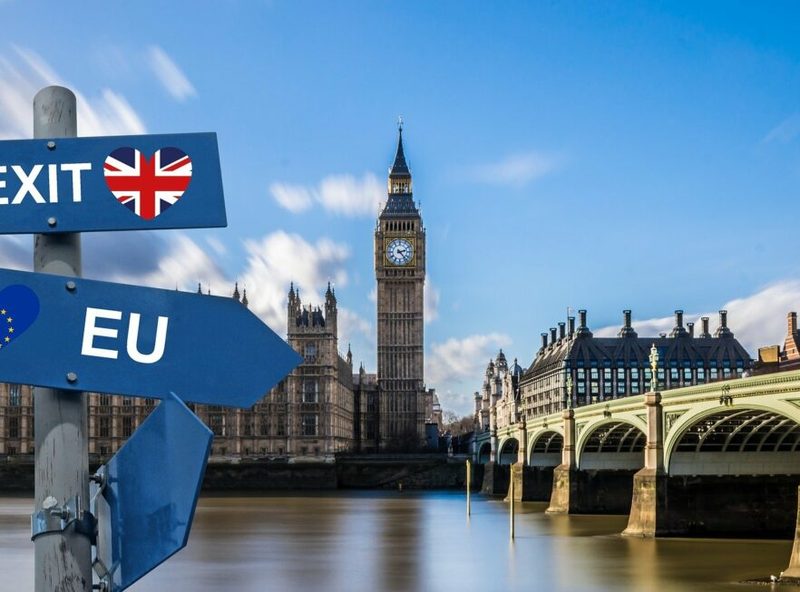
On 23 June 2016, Britain voted by 52 to 48 per cent to leave the European Union, a decision that stunned markets, toppled a prime minister and triggered years of political chaos. Brexit, Britain’s exit from the EU, was the first time a member state had ever left the bloc, and its causes, a revolt against immigration, sovereignty and distant elites, echoed populist upheavals worldwide. How did it happen, and what did it change?
Why Britain voted Leave
The vote was decades in the making. Britain had always been an awkward EU member, keeping the pound, opting out of Schengen, and nursing a press-fuelled narrative of Brussels meddling. The 2008 crisis, eurozone turmoil and, above all, large-scale EU migration after 2004 fed resentment in left-behind towns. The Leave campaign’s genius was fusing these grievances: take back control of laws, borders and money, symbolised by the infamous 350 million pounds a week for the NHS claim. Older, less educated and non-urban voters backed Leave; the young, graduates and Londoners backed Remain.
The referendum and its shockwaves
David Cameron called the referendum to settle his party’s Europe question, confident Remain would win. It didn’t. He resigned by morning; markets plunged; the world woke to a new reality. The result had no legal force, parliament was sovereign, but politically it was iron: the people had spoken. What followed was three years of parliamentary warfare, as MPs fought over what Leave even meant, while the EU insisted the single market’s four freedoms were indivisible.
The long divorce: May, Johnson and the deal
Theresa May’s government triggered Article 50 in 2017, starting a two-year countdown, then lost its majority and spent years failing to pass a withdrawal deal, felled by the Irish border question. Boris Johnson replaced her, renegotiated the Northern Ireland protocol, won a thumping 2019 election on Get Brexit Done, and took Britain out in January 2020. The future relationship, sealed on Christmas Eve 2020, brought tariff-free goods trade but ended free movement, financial passporting and frictionless services, a hard Brexit by any measure.
Northern Ireland: the knot that wouldn’t untie
The hardest problem was always Ireland. An open border between Northern Ireland and the Republic was essential to the Good Friday peace agreement, but Brexit meant a customs border somewhere. The solution, the Northern Ireland Protocol, effectively kept the North in the EU’s goods market, creating a sea border with Britain that unionists loathed. Years of renegotiation, the Windsor Framework, eased but never resolved the tension. Brexit’s unfinished business lives in Belfast.
What Brexit changed
The consequences are still being counted. Economically, most studies find Brexit reduced UK trade, investment and GDP versus the alternative, with new bureaucracy strangling small exporters. Free movement’s end reshaped immigration, EU workers replaced partly by non-EU migrants, and fuelled labour shortages. Politically, it consumed two prime ministers, realigned parties, and empowered Scottish nationalism. Culturally, it formalised a divide between cosmopolitan and nationalist Britain that the referendum exposed but did not create.
Brexit in hindsight
A decade on, polling suggests regret, with majorities calling Brexit a mistake, yet rejoining remains politically distant. The EU, feared to unravel, instead integrated further. Britain discovered that sovereignty in a globalised world means choosing which rules to follow, not escaping rules altogether. Brexit’s lesson for populists everywhere: taking back control is easier chanted than done, and the morning after the revolution, the paperwork remains.
Brexit’s constitutional aftershocks
Brexit strained Britain’s unwritten constitution to breaking point: prorogation battles, Supreme Court interventions, and a prime minister found to have misled parliament. It exposed how much the system relied on norms that populist politics could discard. The constitutional wreckage, like the economic kind, is still being surveyed.
FAQs
When did Brexit happen? The referendum was June 2016; the UK left the EU in January 2020, with the new trade relationship starting January 2021.
What was the Northern Ireland Protocol? The arrangement keeping Northern Ireland aligned with EU goods rules to avoid a hard Irish border, creating a customs border in the Irish Sea.
Has Brexit damaged the UK economy? Most economic analyses find a significant negative impact on trade, investment and GDP compared with remaining.
Brexit was Britain’s great leap into the unknown: a vote against the status quo that changed the country’s place in the world. Its full story is still being written, in trade statistics, border queues and the quiet calculations of a generation that voted differently.
Compiled by the Khabar 24h Editorial Desk from publicly available sources.

Khabar 24h Editorial Desk — our explainers are prepared by the Khabar 24h editorial team using AI-assisted research tools, and every piece is reviewed by a human editor before publishing. We do not claim original reporting: our work is turning complex topics into simple, accurate summaries. Spotted an error? Write to contact@khabar24h.com — our corrections policy aims for same-day review.
More from this author →