Coffee Cultures Around the World: Italy’s Espresso Bars to Ethiopia’s Ceremony
Coffee is the world’s most traded tropical commodity after oil, and its cultures are as varied as its flavours. In Ethiopia, where the bean was born, brewing it is a ceremony that can last hours. In Italy, it is a sixty-second stand-up ritual governed by unwritten rules. In America, it became a bottomless diner mug, then a five-dollar status symbol. To follow coffee around the world is to follow trade routes, colonial histories and the daily rhythms of billions of lives.
Ethiopia: the birthplace of coffee
Legend says a goatherd named Kaldi noticed his goats dancing after eating coffee cherries, and the monks who tried the brew found it kept them awake through prayers. Whatever the truth, coffee grew wild in Ethiopia’s Kaffa region, and the Ethiopian buna ceremony remains its spiritual home. Green beans are roasted over charcoal, ground by hand, and brewed three times in a clay jebena, each round with its own name and blessing, while incense burns and popcorn is served. Refusing a cup is unthinkable; the ceremony is hospitality, community and patience in liquid form.
Italy: sixty seconds of perfection
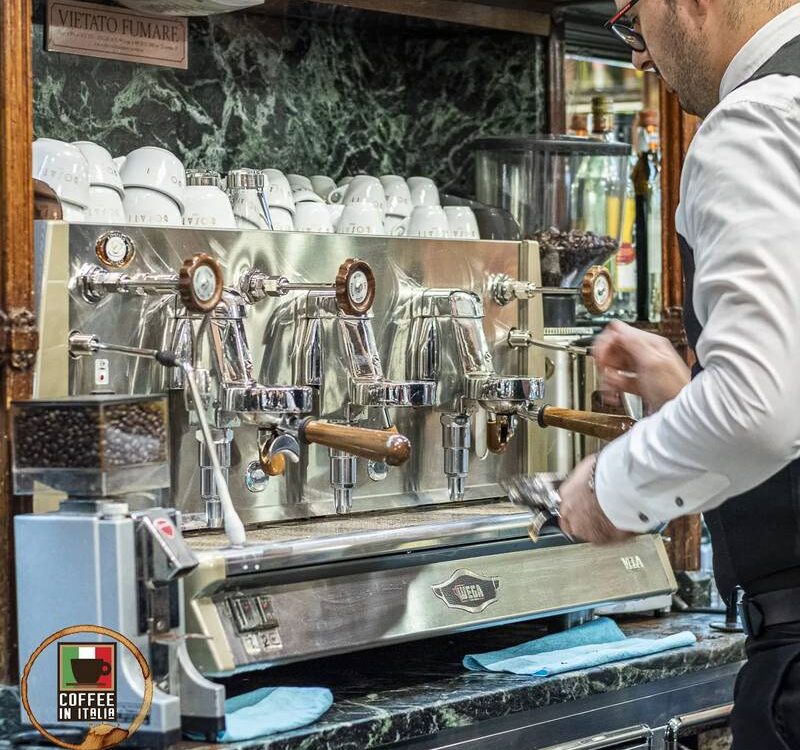
Italy turned coffee into a national choreography. The espresso, forced through finely ground beans under pressure, is drunk standing at the bar in a few sips, often costing a euro. The rules are famous: cappuccino is a morning drink, never after a meal; ordering a latte gets you a glass of milk; lingering over a single cup marks you as a tourist. Coffee bars function as Italy’s living rooms, where news is exchanged and deals are done between sips. It is a culture of speed and standards, where the quality of a one-euro shot is a matter of civic pride.
The Ottoman coffeehouse and its heirs
Coffeehouses began in 16th-century Constantinople, where they were called schools of the wise, places for news, poetry and debate that rulers periodically tried to ban as seditious. Turkish coffee, unfiltered and fortune-told from its grounds, spread across the empire and lives on from Sarajevo to Cairo. In the Levant and the Balkans, offering coffee remains the opening move of any negotiation or welcome. The Viennese coffeehouse, with its marble tables and newspapers on sticks, became a UNESCO-recognised institution where writers and revolutionaries spent whole days over a single melange.
America: from diners to the third wave
America adopted coffee as a patriotic alternative to British tea, and the bottomless diner mug became its democratic symbol: cheap, hot, endlessly refilled. Then Starbucks taught the country to pay five dollars for a flavoured latte, turning coffee into lifestyle branding. The third wave went further, treating coffee like wine, with single-origin beans, pour-over rituals and tasting notes of blueberry and jasmine. Each wave kept the previous one alive: the truck stop, the chain and the artisanal roastery now coexist on the same street.
New rituals for a new century
Coffee culture keeps mutating. South Korea made the cafe a design spectacle and a social stage. Vietnam’s egg coffee and condensed-milk ca phe sua conquered global menus. Cold brew, nitro and dalgona whipped coffee trended through social media. Behind the romance, the industry faces a crisis: climate change is shrinking the land suitable for arabica, and most of the world’s 25 million coffee farmers live on thin margins. The future of coffee culture depends on whether the supply chain that feeds it can survive the century.
What coffee reveals about a culture
Anthropologists love coffee because its rituals expose values. Italy’s stand-up espresso prizes speed, sociability and craft. Ethiopia’s hours-long ceremony prizes patience and community. America’s giant to-go cup prizes convenience and individualism. Japan’s kissaten, dim retro coffeehouses, prize quiet and ritual. Even the politics differ: coffeehouses have been engines of revolution from 18th-century London to the Arab Spring, places where news travels faster than censors. Tell me how a country drinks its coffee, and I will tell you how it lives.
FAQs
Where did coffee originate? Ethiopia, where coffee arabica grew wild; it spread via Yemen and the Ottoman Empire to the rest of the world.
What is the difference between espresso and regular coffee? Espresso is brewed by forcing hot water under pressure through fine grounds, producing a concentrated shot; regular coffee uses slower methods like drip or French press.
Which country drinks the most coffee per person? Finland consistently tops the charts, averaging several cups a day per adult.
Every coffee ritual answers the same human needs, alertness, warmth, company, in a different accent. From the jebena to the paper cup, the bean that made goats dance now moves the mornings of half the planet.
Compiled by the Khabar 24h Editorial Desk from publicly available sources.

Khabar 24h Editorial Desk — our explainers are prepared by the Khabar 24h editorial team using AI-assisted research tools, and every piece is reviewed by a human editor before publishing. We do not claim original reporting: our work is turning complex topics into simple, accurate summaries. Spotted an error? Write to contact@khabar24h.com — our corrections policy aims for same-day review.
More from this author →