Tea Cultures of the World Explained: From Chinese Gongfu to British Afternoon Tea
After water, tea is the most consumed beverage on the planet, with billions of cups drunk every day. Yet there is no single way to drink it. In China, tea is a philosophy poured in thimble-sized cups; in Britain, a national institution taken with milk at four o’clock; in Morocco, a perfumed ritual of hospitality; in Japan, a choreographed art form. The tea cultures of the world are really a map of trade routes, empires and everyday pleasures, all steeped in hot water.
China: where tea began
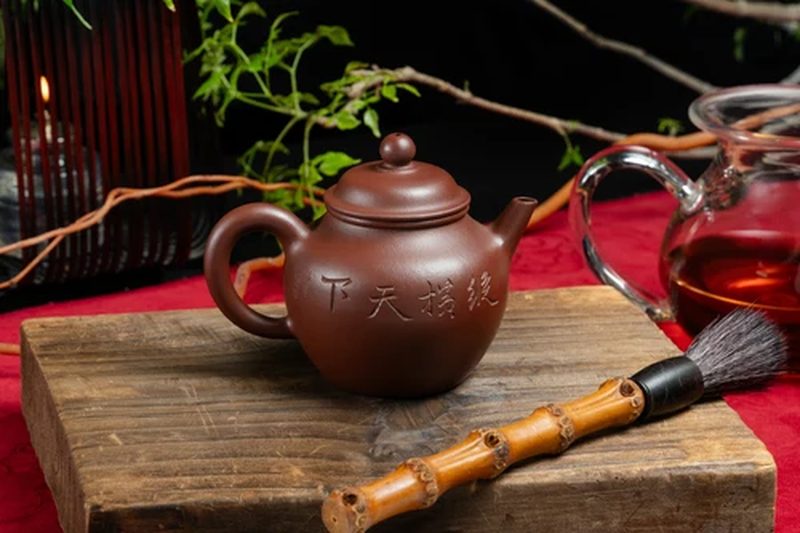
Legend credits Emperor Shennong with discovering tea around 2700 BCE when leaves blew into his boiling water. China developed tea culture over millennia, culminating in the gongfu ceremony of Fujian and Guangdong: small clay teapots, tiny cups, multiple short infusions that coax evolving flavours from oolong and pu-erh leaves. Tea became a scholar’s pursuit, with treatises on water, ware and whisking, and a Buddhist monastic staple. To this day, business in China is done over tea, and offering it remains the basic grammar of hospitality.
Japan: tea as art
Japan took Chinese tea and made it theatre. The tea ceremony, chanoyu, refined by 16th-century master Sen no Rikyu, turns whisking powdered matcha into a choreographed meditation on harmony, respect, purity and tranquillity. Every gesture, the turning of the bowl, the folding of the cloth, is prescribed. Zen Buddhism and the samurai class embraced it, and the aesthetic it created, wabi-sabi, the beauty of imperfection, shaped Japanese art far beyond the tearoom. A full ceremony can last hours; its spirit is the opposite of the takeaway cup.
Britain: an empire in a cup
Tea reached Britain in the 17th century as an aristocratic luxury and became, through empire and industry, a working-class necessity. The East India Company’s trade made it cheap; the Industrial Revolution made its breaks essential. Afternoon tea, credited to Anna, Duchess of Bedford, turned the 4pm slump into a ritual of sandwiches, scones and cake. Builders’ tea, strong, milky, sugary, fuelled a nation. Britain’s tea habit reshaped the world in darker ways too: the Opium Wars were fought to balance Britain’s tea trade deficit with China, a reminder that this gentle drink has a violent history.
The Middle East and North Africa
In Morocco, mint tea, gunpowder green poured from a height to raise a foam, is the emblem of welcome, offered to guests, haggled over in souks and drunk all day. Turkey, though a coffee nation by reputation, is among the world’s biggest tea drinkers per capita, serving strong black cay in tulip glasses from samovars in every workplace. In the Gulf, karak, sweet milky tea, is the social lubricant of labour camps and late nights. Across the region, tea means pause, conversation and hospitality, never drunk alone if it can be helped.
South Asia and beyond
India turned British plantation tea into masala chai: black tea boiled with milk, sugar, ginger and cardamom, sold by chaiwallahs at every station and street corner. It is arguably India’s true national drink, cutting across class and region. Tibet drinks butter tea, churned with yak butter and salt, a caloric necessity at altitude. Russia’s samovar culture made tea the centre of long winter evenings, while iced sweet tea rules the American South. Each culture took the same leaf and made it unmistakably its own.
The economics of the leaf
Tea is a giant global commodity. China and India are the biggest producers, Kenya the biggest exporter of black tea, and the Mombasa auction sets prices for much of the world’s supply. Climate change is now shifting the map: rising temperatures are pushing prime tea-growing zones uphill in Assam, Kenya and Sri Lanka, threatening the flavours that define famous teas. Fair-trade and specialty markets have given small growers new leverage, but most pickers still earn very little. Every cup connects a drinker to a mountainside farm and a supply chain under pressure.
FAQs
Where did tea originate? China, where it was drunk for millennia before spreading to Japan, then via trade to the rest of the world.
What is the difference between green and black tea? Both come from the same plant, Camellia sinensis; black tea is oxidised, green tea is not, which accounts for the colour and flavour difference.
Which country drinks the most tea? China consumes the most in total; Turkey and Ireland rank highest per person.
Tea’s genius is its adaptability: a bitter leaf that every culture sweetened, spiced or ritualised into a mirror of itself. From a Beijing boardroom to a Yorkshire kitchen, the kettle is always on somewhere, and the world keeps finding new reasons to pour.
Compiled by the Khabar 24h Editorial Desk from publicly available sources.

Khabar 24h Editorial Desk — our explainers are prepared by the Khabar 24h editorial team using AI-assisted research tools, and every piece is reviewed by a human editor before publishing. We do not claim original reporting: our work is turning complex topics into simple, accurate summaries. Spotted an error? Write to contact@khabar24h.com — our corrections policy aims for same-day review.
More from this author →