The World’s Ageing Societies Explained: Japan, South Korea and the Population Crunch
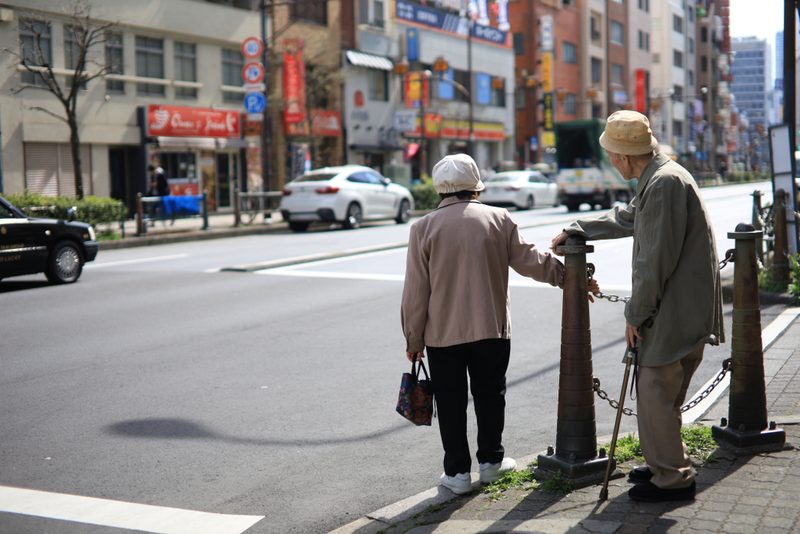
By the middle of this decade, more than one in four Japanese citizens will be over the age of 65, and South Korea will have recorded the lowest fertility rate of any major economy ever measured. The world’s ageing societies are not a distant forecast. They are here, and they are redrawing the map of how economies grow, how governments spend, and how families live. Japan got there first, South Korea is getting there fastest, and demographers say most wealthy nations are only a few decades behind.
What the population crunch actually means
A society ages when two things happen at once: people live longer, and fewer babies are born. Japan’s life expectancy is among the highest on Earth, while its birth rate has sat well below replacement level for decades. South Korea’s total fertility rate fell below one child per woman, a figure so low that, without change, each generation would be less than half the size of the one before it. The result is an inverted population pyramid: fewer workers supporting more retirees. Economists call the falling ratio of workers to pensioners the old-age dependency problem, and in the most aged societies it is approaching two workers for every retiree, a burden no pension system was designed to carry.
Why Japan and South Korea aged so quickly
The speed is what startles demographers. Europe aged over a century; East Asia is doing it in a single generation. The drivers are familiar but intensified. Urbanisation pulled young people into expensive cities, where marriage came later and children came later still, if at all. Long working hours, steep housing costs and the career cost of motherhood made large families a luxury. In South Korea, the pressure-cooker education system means raising a child can cost a fortune in tutoring alone. Both countries also historically admitted very few immigrants, removing the one lever other rich nations use to replenish their workforces. Culture did the rest: surveys consistently show young Koreans and Japanese citing money, housing and sheer exhaustion as reasons to delay or skip parenthood.
How governments have tried to fight back
No government has watched this passively. Japan has poured money into childcare subsidies, free preschool and parental leave, and its towns now compete to lure young families with cash bonuses for each baby. South Korea has gone further, spending vast sums on child benefits, subsidised childcare and even matchmaking campaigns, with mixed results at best. Both countries have quietly opened the door to foreign workers, from care staff to factory labour, a once-unthinkable shift. They have also turned to technology: Japan leads the world in elder-care robots, automated checkouts and driverless experiments, betting that machines can do the work that missing young people cannot. Immigration, automation and family support are the three standard answers, and every ageing nation is now testing all of them.
What ageing does to an economy
The economic consequences arrive slowly and then all at once. A shrinking workforce drags down growth, pushes up wages in some sectors, and leaves rural towns to hollow out, with thousands of abandoned homes dotting the Japanese countryside. Tax revenue stagnates just as spending on pensions and healthcare explodes. Interest rates and inflation behave oddly in ageing economies, which is one reason Japan spent decades fighting deflation. Investors watch dependency ratios the way farmers watch the weather. Yet there are winners: healthcare, automation, leisure for the healthy elderly, and the so-called silver economy of products designed for older consumers are booming industries in both countries.
Is the rest of the world next?
Almost certainly. China is ageing at a similar pace and will lose working-age population for decades. Europe’s median age keeps climbing, and even the United States is greying, though immigration softens the blow. The only regions still reliably young are sub-Saharan Africa and parts of South Asia, which will supply much of the century’s population growth. The lesson from Japan and South Korea is that fertility, once fallen, is extraordinarily hard to lift, which is why demographers now treat ageing not as a crisis to be solved but as a condition to be managed: later retirements, more productive older workers, smarter immigration and technology doing more with fewer hands.
FAQs
Which country is the oldest in the world? Japan consistently tops the rankings, with roughly 29 per cent of its population aged 65 or older, followed by several southern European nations.
Can immigration fix an ageing society? It helps, but the numbers needed are enormous. Economists estimate Japan would need millions of newcomers to stabilise its workforce, far beyond current intake levels.
Why is South Korea’s birth rate so low? A mix of high housing costs, intense work culture, expensive private education and changing attitudes to marriage, with many young women prioritising careers.
In the end, the population crunch is not really about numbers. It is about a bargain every society made, that each generation would be larger than the last, quietly expiring. Japan and South Korea are simply the first to live with what comes next, and their experiments with robots, immigration and family policy are a preview of arguments the whole world will soon be having.
Compiled by the Khabar 24h Editorial Desk from publicly available sources.

Khabar 24h Editorial Desk — our explainers are prepared by the Khabar 24h editorial team using AI-assisted research tools, and every piece is reviewed by a human editor before publishing. We do not claim original reporting: our work is turning complex topics into simple, accurate summaries. Spotted an error? Write to contact@khabar24h.com — our corrections policy aims for same-day review.
More from this author →