COP Climate Summits Explained: How the World’s Biggest Climate Talks Work
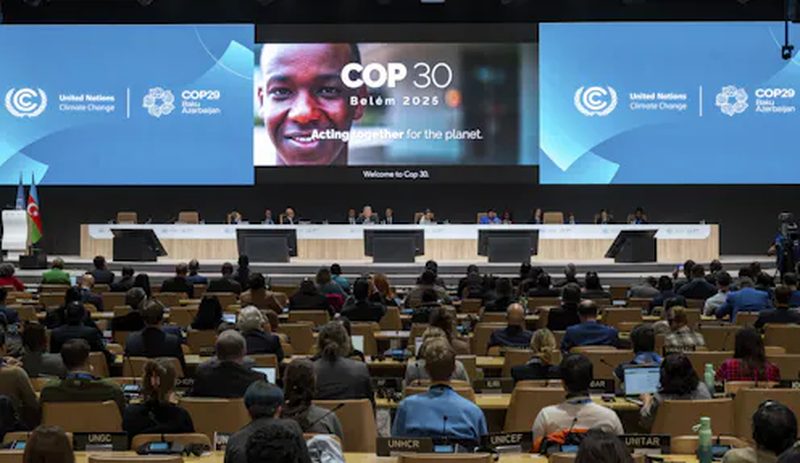
Every year, tens of thousands of diplomats, activists, journalists and lobbyists descend on a host city for the COP, the Conference of the Parties to the UN climate convention: the world’s biggest and most important climate negotiation. COPs produced the Kyoto Protocol and the Paris Agreement, and they are also famous for all-night haggling, diluted texts and fossil-fuel lobbyists. This explainer shows how the summits work and what they actually achieve.
How a COP works
The COP is the supreme decision-making body of the 1992 UN Framework Convention on Climate Change, with 198 parties. Each summit has a presidency, held by the host country, which sets the agenda and brokers deals. Negotiations run in two tracks: technical talks among negotiators and high-level segments where ministers and leaders strike political bargains. Decisions require consensus, meaning any country can block, which is why texts are so tortured. The final days are a familiar drama: deadlines slip, all-night sessions, and a gavelled compromise greeted with relief more than triumph.
What COPs have achieved
The record has real landmarks. Kyoto 1997 (COP3) created the first binding emissions targets for rich countries. Copenhagen 2009 (COP15) collapsed into chaos but salvaged the 2C goal. Paris 2015 (COP21) produced the agreement that governs climate action today. Glasgow 2021 (COP26) mentioned coal for the first time; Sharm el-Sheikh 2022 (COP27) created the loss-and-damage fund; Dubai 2023 (COP28) called for transitioning away from fossil fuels. Each built on the last, a slow ratchet of ambition that, for all its flaws, has no parallel in global governance.
Why they frustrate
The frustrations are equally real. Consensus rule lets petrostates water down everything: Saudi Arabia and others have fought fossil-fuel language for decades. The summits’ carbon footprint and corporate sponsorships invite charges of hypocrisy; Dubai’s COP, hosted by an oil CEO, was the apex. Pledges routinely go unmet with no consequences. And the process favours those who can field huge delegations, disadvantaging small island states with the most at stake. Critics call COPs expensive theatre; defenders call them the only forum where Tuvalu can confront Saudi Arabia as an equal.
- 198 parties to the UN climate convention negotiate at each COP.
- Decisions require consensus, giving every country a veto.
- Attendance has swelled past 80,000 at recent summits.
- Major outcomes: Kyoto Protocol, Paris Agreement, loss-and-damage fund.
The money fights
Finance is the perennial battlefield. Developing countries demand trillions for clean energy and adaptation, citing rich nations’ historical emissions; rich countries offer billions and dispute the accounting. The 100-billion-dollar pledge saga poisoned trust for a decade. The new collective quantified goal, agreed at Baku 2024 (COP29), raised targets but left developing countries furious at the sums. Loss and damage, paying for unavoidable climate disasters, is the moral core of the fight: the fund exists, but remains a shell awaiting real money.
Do COPs matter?
Measured against the climate emergency, COPs are failing: emissions rise, 1.5C slips away. Measured against the alternative, no global climate governance at all, they are indispensable: the only mechanism aligning 198 countries, however loosely. Their achievements are real but incremental in an era demanding transformation. The summits will continue because the problem requires them; whether they accelerate fast enough is the question each COP poses anew, usually answering it with a compromise.
FAQs
What does COP stand for? Conference of the Parties, the annual meeting of countries party to the UN Framework Convention on Climate Change.
Why does everything need consensus? UN climate rules require it, meaning any single country can block a decision, which is why outcomes are often lowest-common-denominator.
Have COPs reduced emissions? Not directly, but the agreements and pledges they produce have bent the projected warming trajectory downward since Paris.
COP summits are democracy applied to the atmosphere: slow, messy, compromised, and the only game in town. They will not save the climate by themselves, but without them, the world would not even be trying together.
Future COPs face a credibility test: with 1.5C slipping away, summits must show they can accelerate action, not just ritualise it. Ideas for reform, smaller negotiating formats, consequences for missed pledges, circulate but threaten the consensus the process depends on. The summits will continue because the alternative is silence; their worth will be measured in emissions, not communiques.
Compiled by the Khabar 24h Editorial Desk from publicly available sources.
Related stories
View all →
Trump Rejects Iran’s Hormuz Offer as Coalition Downs Houthi Drones
US President Donald Trump has rejected Iran’s seven-day proposal to reopen the Strait of Hormuz, dimming hopes of a diplomatic breakthrough. ‘They…

Jaishankar Flags India’s Russia Sanctions Concerns to Rubio
External Affairs Minister S Jaishankar raised India's concerns over Russia sanctions in talks with US Secretary of State Marco Rubio.
Pezeshkian Calls Out Trump By Name In UN Speech
Iranian President Masoud Pezeshkian directly named Donald Trump in a defiant UN address, declaring "we did not bend the knee" amid rising…

Khabar 24h Editorial Desk — our explainers are prepared by the Khabar 24h editorial team using AI-assisted research tools, and every piece is reviewed by a human editor before publishing. We do not claim original reporting: our work is turning complex topics into simple, accurate summaries. Spotted an error? Write to contact@khabar24h.com — our corrections policy aims for same-day review.
More from this author →