OPEC Explained: How the Oil Cartel Moves Global Energy Prices
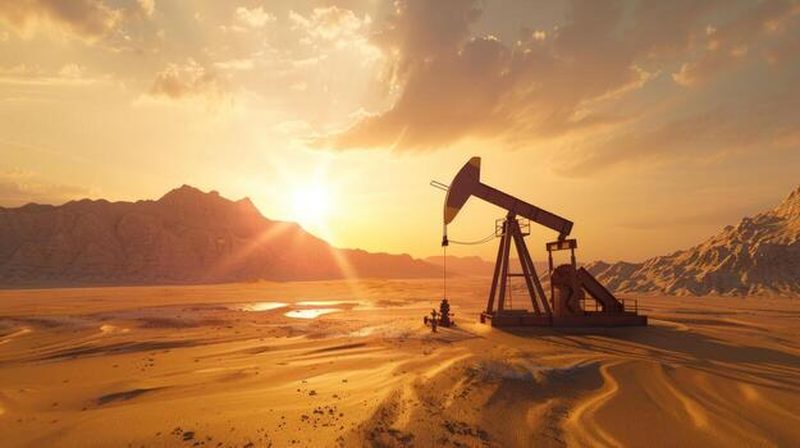
When OPEC meets in Vienna, oil traders hold their breath. The Organization of the Petroleum Exporting Countries, just 12 members strong, pumps about a third of the world’s crude, and its decisions on production quotas can send petrol prices soaring or crashing within hours. Born in 1960 as a rebellion against Western oil majors, OPEC became a household name with the 1973 oil embargo. Today, allied with Russia as OPEC+, it remains the most important force in energy markets. This explainer shows how the cartel moves prices and whether its power is fading.
How the cartel works
OPEC’s weapon is the production quota. Ministers meet, assess demand, and assign each member a pumping ceiling; cutting quotas tightens supply and lifts prices, raising them does the reverse. The system only works if members cheat less than they historically do: quotas are routinely exceeded, and enforcement is essentially peer pressure. Saudi Arabia acts as the swing producer, holding spare capacity it can unleash or withhold to balance the market, a role that gives Riyadh outsized influence. Decisions require consensus, which is why meetings can stretch into the night when Iran, Venezuela or others dissent.
Why OPEC+ changed everything
OPEC alone no longer commands the market it once did, so in 2016 it struck a pact with Russia and other non-members, creating OPEC+. Together the 20-plus countries control roughly 40 per cent of global oil production, enough to move prices decisively. The alliance proved its power in 2020, when it orchestrated record cuts to rescue prices from a COVID-induced crash, and again with repeated cuts through 2023-24 to defend prices against slowing demand. But OPEC+ is an awkward marriage: Russia’s war in Ukraine, sanctions on its oil, and divergent interests strain the partnership, and members like the UAE chafe at quotas that limit their growing capacity.
The 1973 lesson
OPEC’s defining moment remains the 1973 Arab oil embargo, when producers cut supplies to punish Western support for Israel. Prices quadrupled, petrol queues snaked across America, and the global economy plunged into stagflation. The embargo taught consuming nations a lasting lesson about energy dependence, spurring North Sea drilling, fuel efficiency standards and strategic petroleum reserves. It also taught producers that weaponising oil invites retaliation: demand eventually fell, non-OPEC supply rose, and prices crashed in the 1980s. OPEC has never again tried a political embargo, preferring market management to market warfare.
- OPEC’s 12 members include Saudi Arabia, Iran, Iraq, Venezuela, Nigeria and the UAE.
- OPEC+ countries together pump around 40 per cent of the world’s oil.
- Saudi Arabia holds most of the world’s spare production capacity.
- The 1973 embargo quadrupled oil prices and triggered a global recession.
Who challenges OPEC now?
The cartel’s power faces three challengers. First, American shale: the US is now the world’s top producer, and its nimble frackers respond to high prices within months, capping OPEC’s pricing power. Second, the energy transition: electric vehicles and renewables are slowing oil demand growth, with peak demand possibly this decade. Third, internal division: quota-cheating, the UAE’s ambition, African members’ declining capacity, and the sheer difficulty of keeping Russia aligned. OPEC’s response has been discipline: deep voluntary cuts, led by Saudi Arabia, to keep prices near levels that fund member budgets without killing demand.
Does OPEC still matter?
Yes, but differently. OPEC can no longer dictate prices; it manages them at the margins, smoothing volatility rather than commanding the market. Its spare capacity remains the world’s insurance policy against supply shocks, as the Ukraine war showed. And as Western investment in new oil dries up under climate pressure, OPEC’s share of production is set to grow, potentially increasing its leverage even as the world tries to quit oil. The cartel’s twilight may be long: the last barrels pumped in the oil age will likely be OPEC’s.
FAQs
What is the difference between OPEC and OPEC+? OPEC is the 12-member cartel; OPEC+ adds Russia and other non-member producers cooperating on output cuts.
Can OPEC set the oil price? Not directly; it influences prices by adjusting supply through quotas, but markets, shale producers and demand ultimately decide.
Why doesn’t OPEC just pump more to lower prices? Members need high prices to fund government budgets; cheap oil pleases consumers but bankrupts petrostates.
Sixty-five years after its founding, OPEC endures as the market’s central banker of oil: imperfect, internally divided, challenged by shale and the energy transition, yet still capable of moving the world economy with a single communique from Vienna.
Compiled by the Khabar 24h Editorial Desk from publicly available sources.

Khabar 24h Editorial Desk — our explainers are prepared by the Khabar 24h editorial team using AI-assisted research tools, and every piece is reviewed by a human editor before publishing. We do not claim original reporting: our work is turning complex topics into simple, accurate summaries. Spotted an error? Write to contact@khabar24h.com — our corrections policy aims for same-day review.
More from this author →